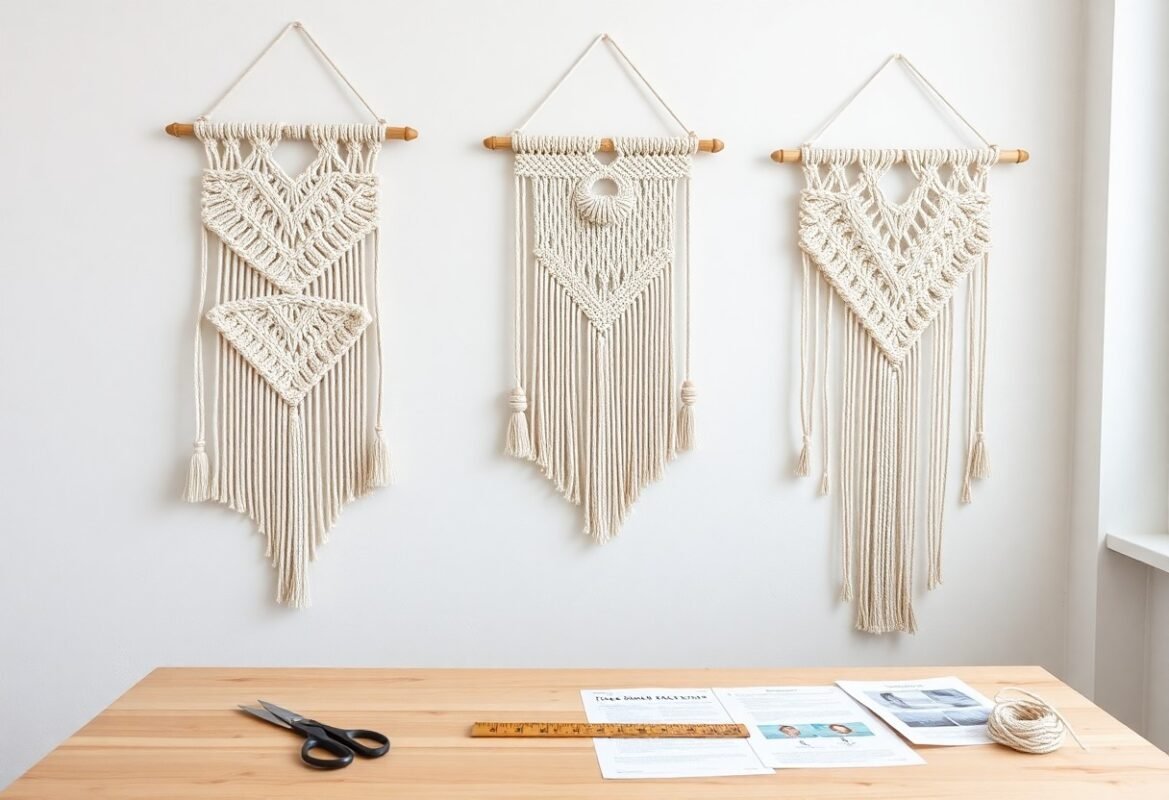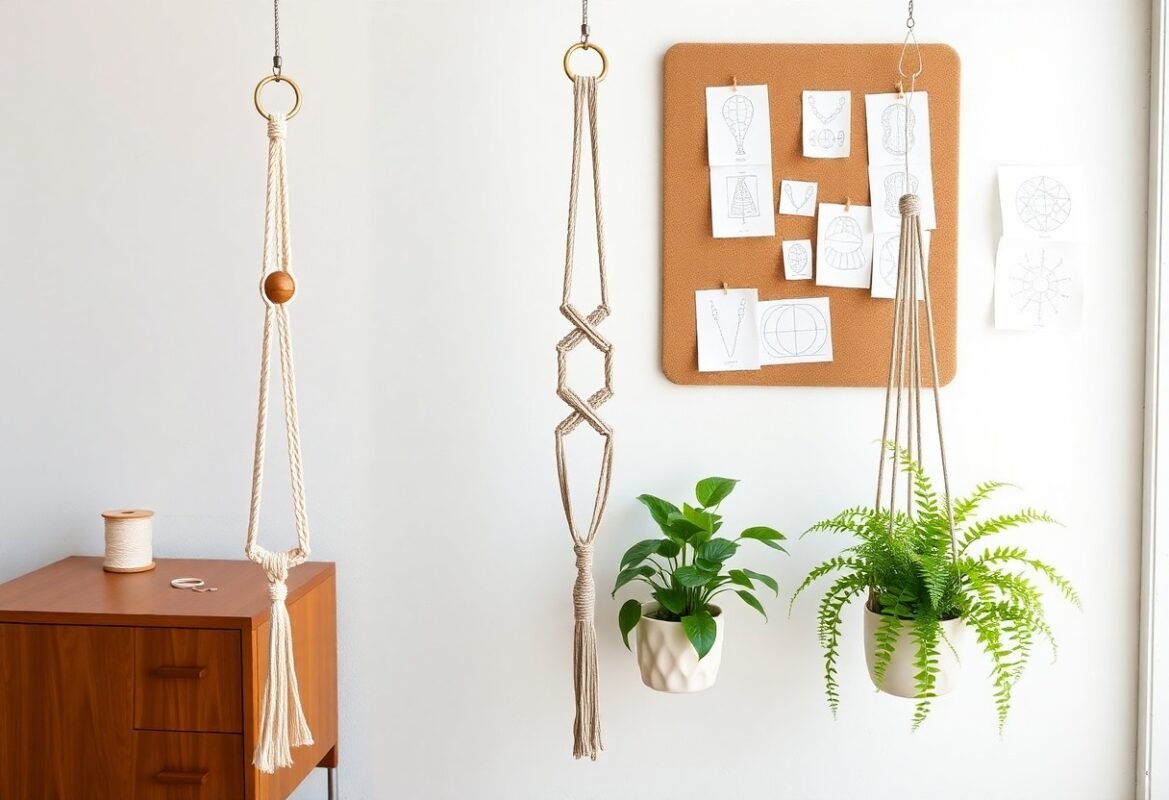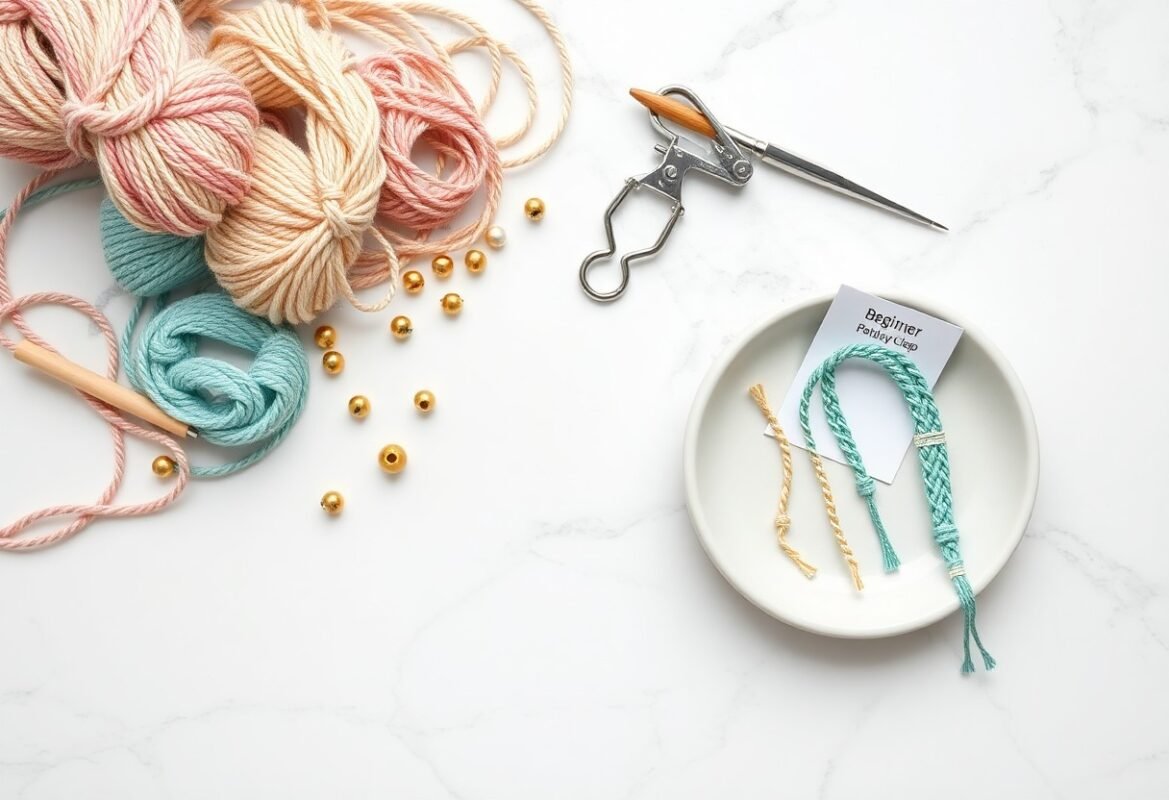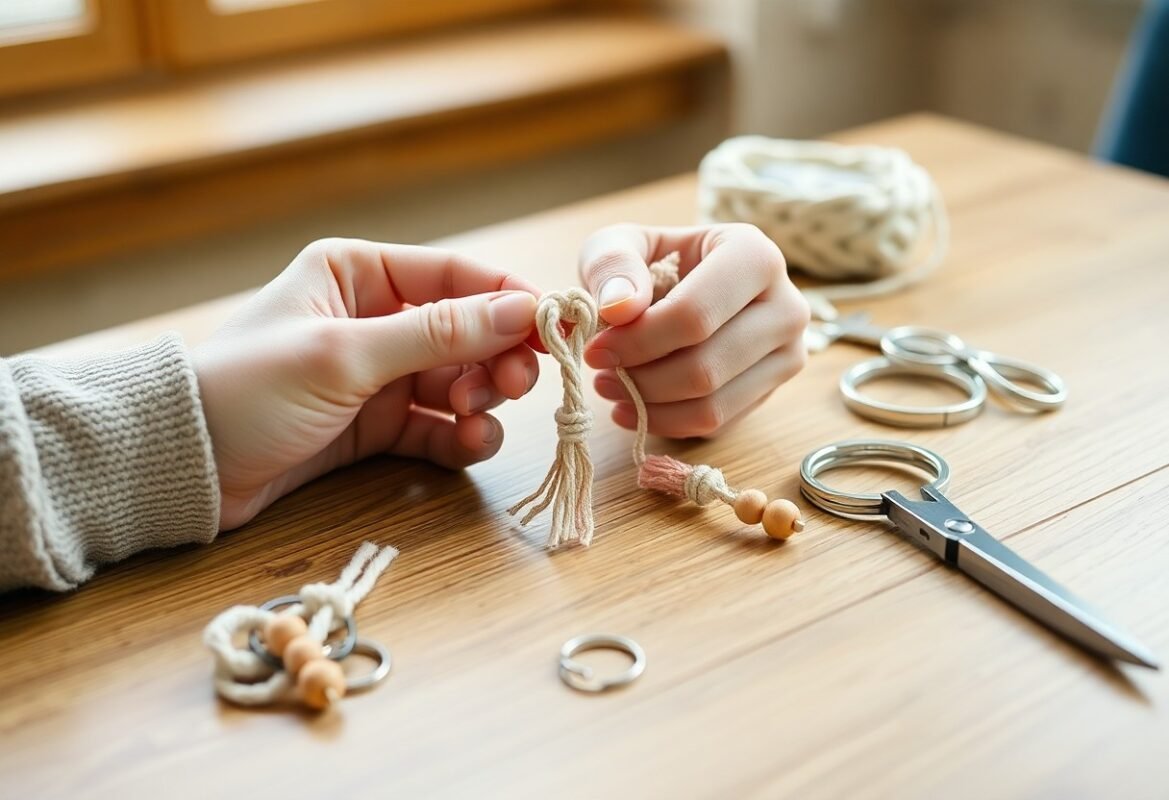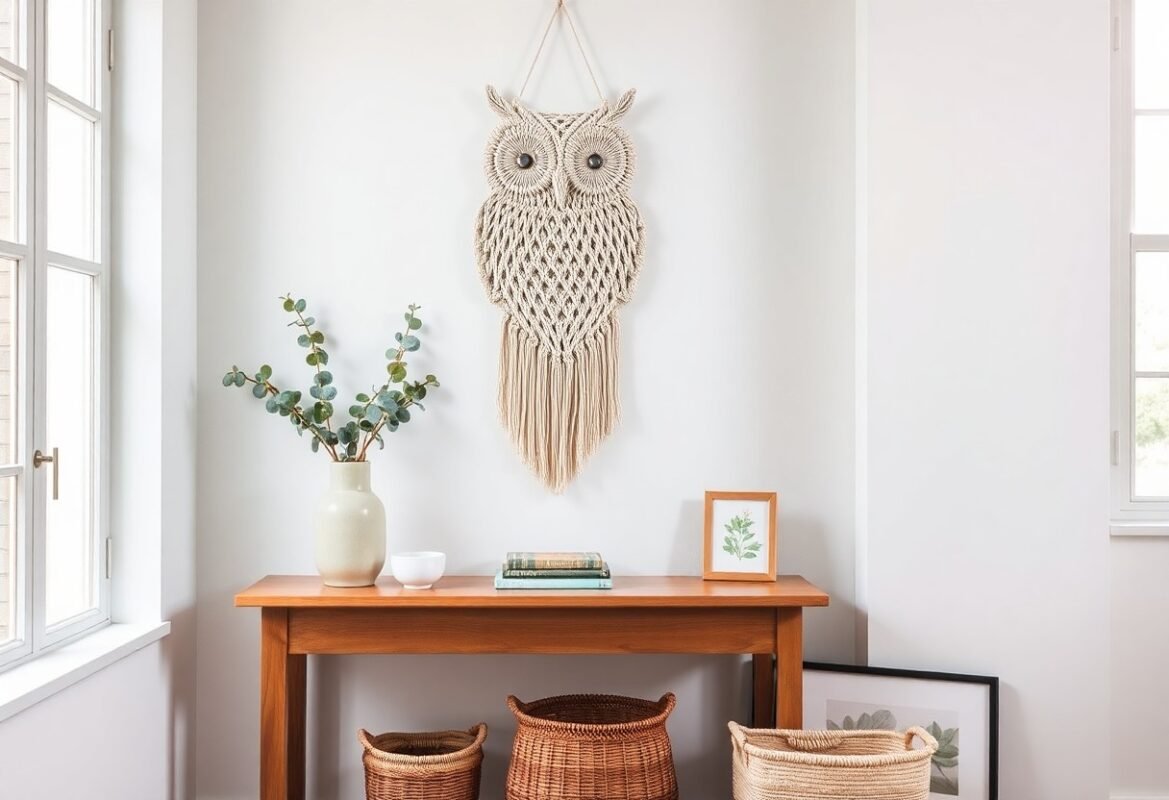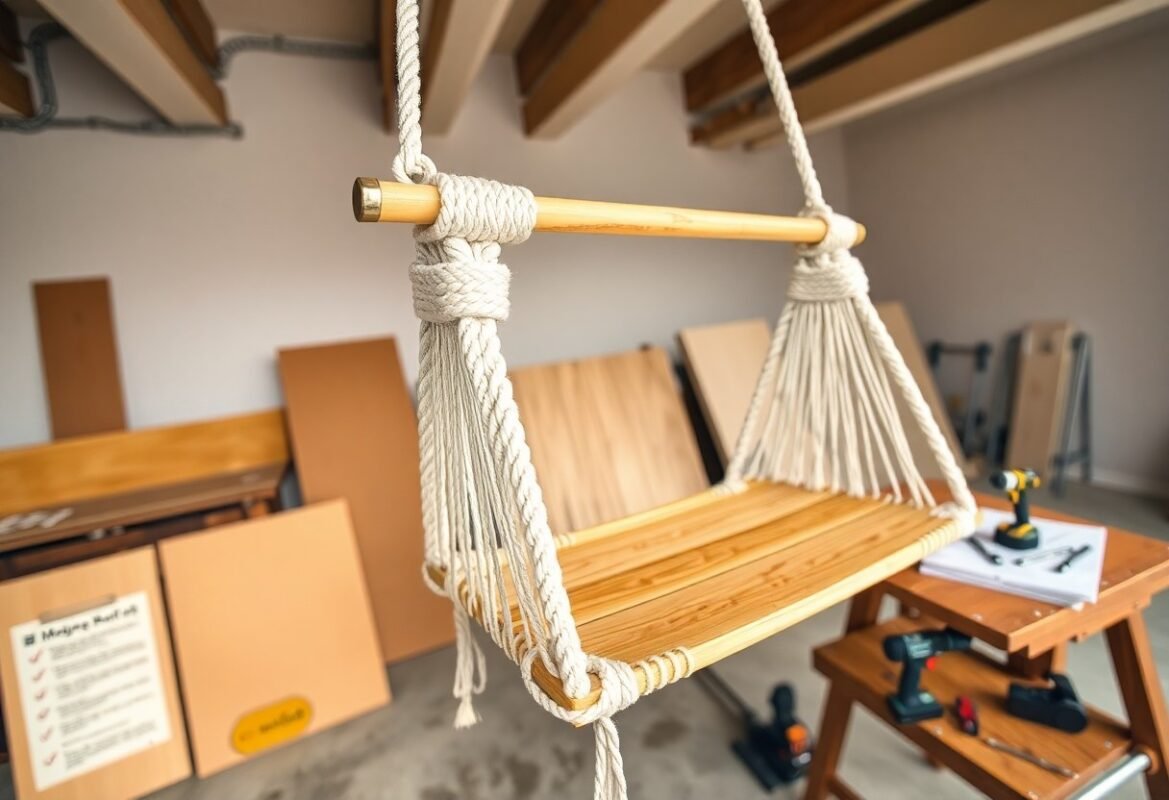



Online macrame classes give you step-by-step instruction, expert-led demonstrations, and curated projects so you can master crucial knots, patterns, and finishing techniques; you’ll get material recommendations, pace options for your busy schedule, and community feedback to accelerate your progress and start creating polished pieces confidently.
Key Takeaways:
- Choose beginner-focused courses with step-by-step video lessons and clear knot demonstrations.
- Begin with imperative knots (square, half hitch, lark’s head), basic tools, and simple materials.
- Practice using guided mini-projects (plant hangers, wall hangings, keychains) to build technique and confidence.
- Prefer classes that include downloadable patterns, supply lists, and modules you can revisit at your own pace.
- Instructor feedback and an active student community speed learning-seek courses with Q&A, forums, or live sessions.
Overview of Macrame
Macramé is a knot-based textile craft built from a small set of knots – lark’s head, square, and half hitch – that you combine into patterns for plant hangers, wall art, and jewelry. If you’ve tried knitting, you’ll find macramé faster to pick up: many beginner classes teach material selection (cotton cord, jute), tension control, and finishing techniques with close-up videos and downloadable templates so you can reproduce projects step by step.
History of Macrame
Tracing back to 13th-century Arabic weavers, macramé (from the Arabic word migramah, meaning “fringe”) traveled via 17th-19th-century sailors who made decorative items aboard ships. You can spot Victorian-era macramé in household trims and hammocks, saw a major revival in the 1970s, and witnessed a modern resurgence in the 2010s through Instagram, Pinterest, and handmade marketplaces that renewed demand for wall hangings and plant holders.
Benefits of Learning Macrame
Learning macramé improves your fine motor skills, spatial reasoning, and pattern recognition while using low-cost tools – cords for a single project typically run $5-$20. Projects are portable so you can practice during breaks; repetitive handcrafts are associated with stress reduction, and many makers convert skills into income, with beginner wall hangings commonly priced between $30 and $150 on platforms like Etsy.
Many online beginner courses break skills into short projects so you build competence quickly: you can complete a basic plant hanger in 60-120 minutes and a medium wall hanging in 3-6 hours. Courses combine step-by-step video, downloadable patterns, and community feedback; by practicing 20-30 minutes daily you’ll internalize knot sequences, begin customizing designs, and start developing a portfolio you can sell or gift within weeks.
Criteria for Selecting Online Classes
You should weigh instructor experience, number of hands-on projects (3-8), total video time (2-10 hours), clear materials lists, student ratings (aim for 4.5+/5), and active feedback channels. Also consider downloadable patterns, closed captions, and refund policies; courses that include time-stamped videos and community critique help you progress faster and avoid common beginner mistakes.
Instructor Expertise
Check for instructors with 5-15+ years making and teaching macramé, or tangible credentials such as 1,000+ Etsy sales, 50+ workshop attendees, or textile certifications. When you see clear demo breakdowns, responsive Q&A, and course ratings above 4.7/5 with 100+ reviews, you can trust their techniques and troubleshooting methods.
Course Structure and Materials
Prefer courses organized into short, progressive modules that teach 5-7 knots first, then 3 project builds (plant hanger, small wall hanging, bag), with 2-8 hour total runtime. You want downloadable PDFs, supply lists specifying cord type (cotton, jute, nylon) and thickness (3-5 mm), plus recommended tools: scissors, tape measure, dowel/wood ring.
Good courses list exact cord lengths (e.g., plant hanger: 4 cords × 2.5 m of 3 mm cord), include time-stamped technique clips, and offer project difficulty labels. You benefit from playback speed controls, printable patterns, and photo galleries of student work; courses that provide feedback loops or peer critiques accelerate your skill retention and project completion.
Top Macrame Online Classes for Beginners
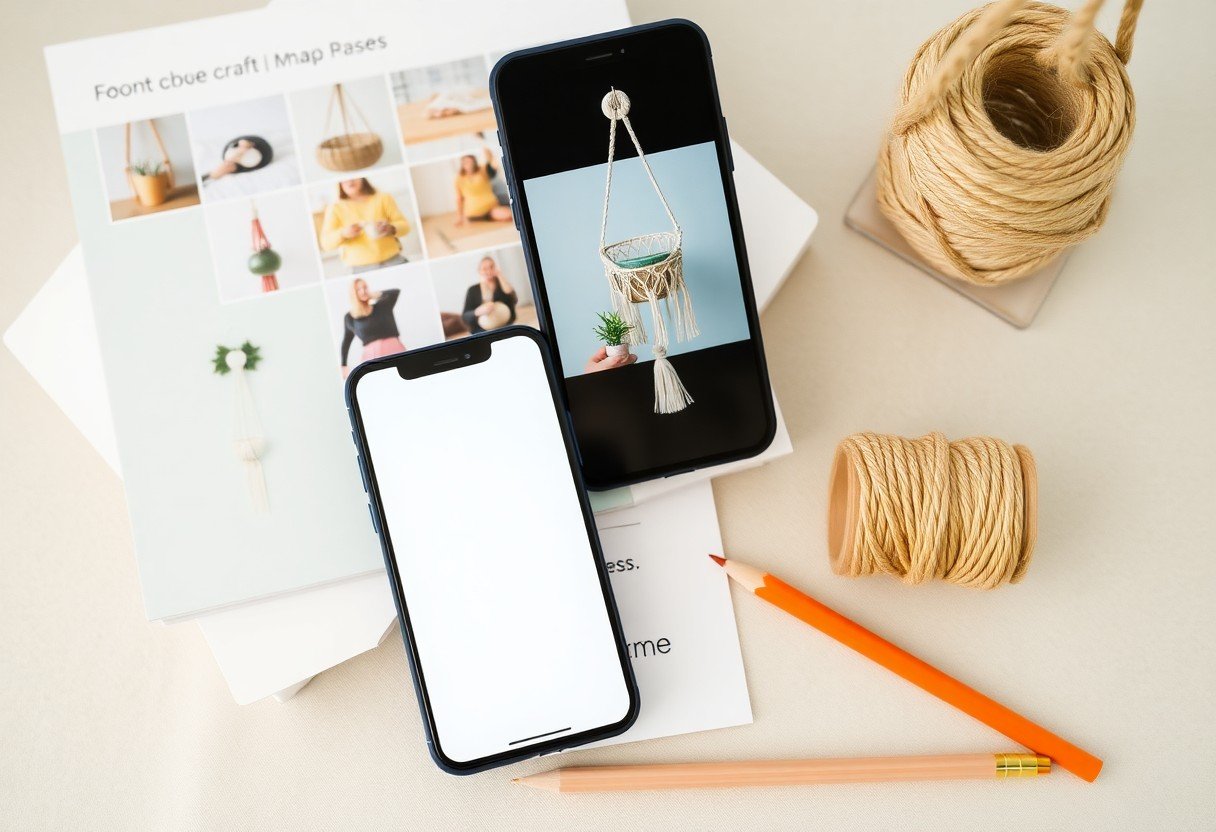
You can quickly compare beginner classes across platforms-Skillshare, Udemy, Domestika, and Creativebug-by project focus, duration, and community support; many courses run 1-6 hours and split into 5-12 short lessons. For peer recommendations and free patterns check this thread: Any recommended macrame courses for beginners?
Course Recommendations
Start with short, project-based classes: a 2-3 hour plant-hanger course to learn lark’s head and square knots, then a 4-6 hour wall-hanging series that adds half-hitch and pattern design. Prefer courses that include supply lists, close-up knot shots, and at least three downloadable pattern PDFs so you can practice offline and track measurable progress.
Key Features of Each Class
Assess lesson length (10-20 minutes per clip), total runtime (1-8 hours), number of projects (typically 2-6), downloadable patterns, speed-adjustable video, captions, and community Q&A. Prioritize step-by-step videos, high-resolution close-ups, and courses that scaffold skills so you master one knot set before tackling complex patterns.
- Lesson structure: 8-15 short segments that focus on one knot or technique each.
- Total time: 1-6 hours of guided instruction and practice exercises.
- Project count: 2-5 complete projects (plant hanger, keychain, wall hanging) with increasing difficulty.
- Materials list: exact cord thickness, cord yardage per project, and recommended tools.
- Support: downloadable PDFs, pattern files, and an active student Q&A or community group.
- The inclusion of close-up multi-angle video, adjustable playback speed, and timestamps for each knot.
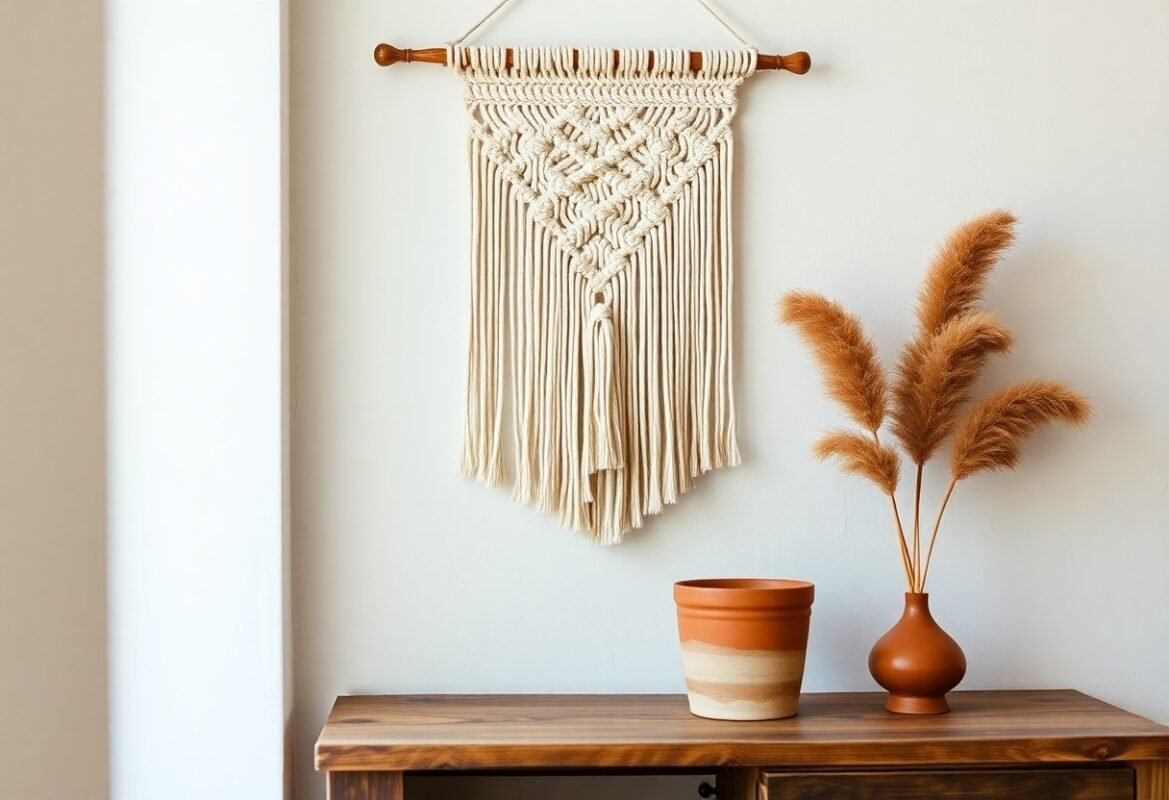
When a course breaks lessons into 10-12 minute clips and includes timestamps, you can master a knot in one sitting; if it offers 3-5 projects you’ll apply techniques across textures and scales. You’ll benefit from PDFs that list cord length per project (for example, 3-4 mm cotton cord, ~20-40 m for a 60 cm wall hanging) and from course forums where peers post photos and troubleshooting tips.
- Hands-on projects that teach both techniques and design sense.
- Clear supply guides with cord diameter (2-4 mm) and exact yardage estimates.
- Step-by-step knot breakdowns with slow-motion close-ups and rewind-friendly cuts.
- Instructor feedback or peer review options to refine tension and finishing.
- The presence of pattern libraries and exportable templates for future projects.
Learning Tools and Resources
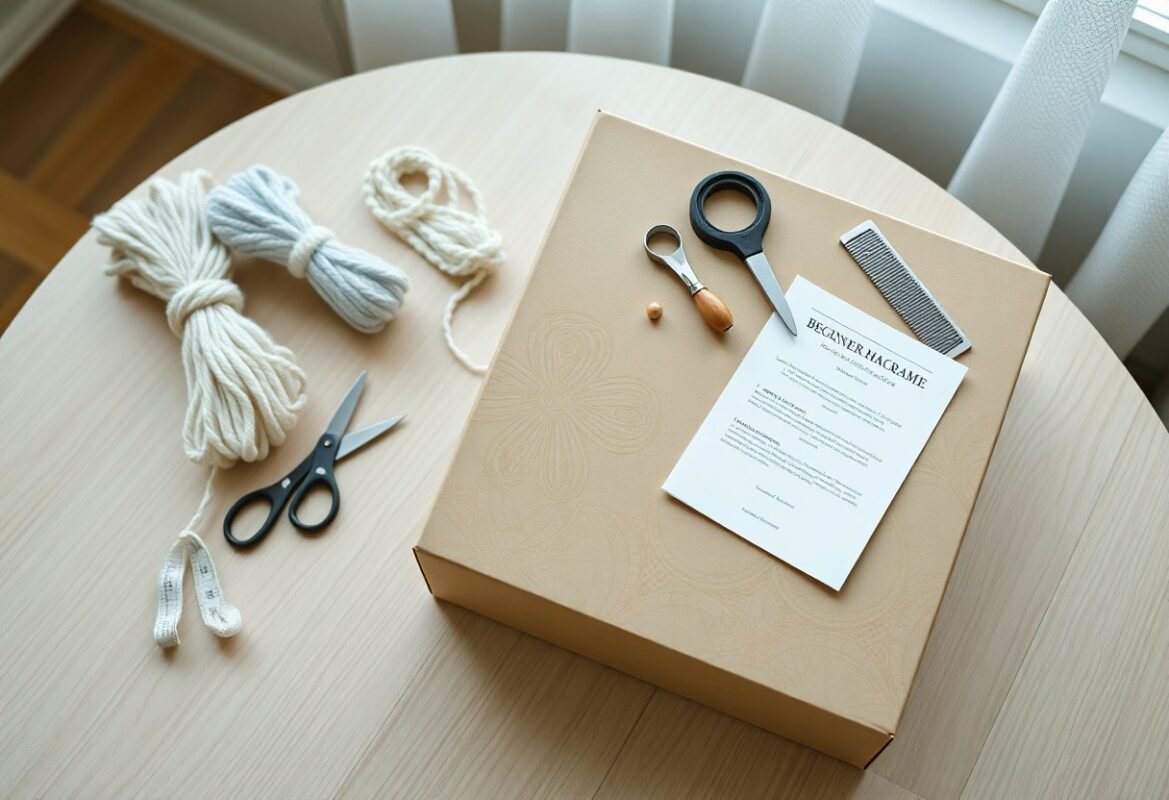
Leverage the Macrame School for dozens of step-by-step video tutorials, then pair those with downloadable PDFs and curated playlists to build a lesson plan. You should have an 8″ sharp scissors, a 1 m tape measure, a small comb for finishing, and 3-6 mm cotton cord on hand; expect to use roughly 100-200 m for large wall hangings. Add wooden dowels or metal rings (25-80 cm) and a clipboard or macramé board to keep work taut.
Supplies Needed
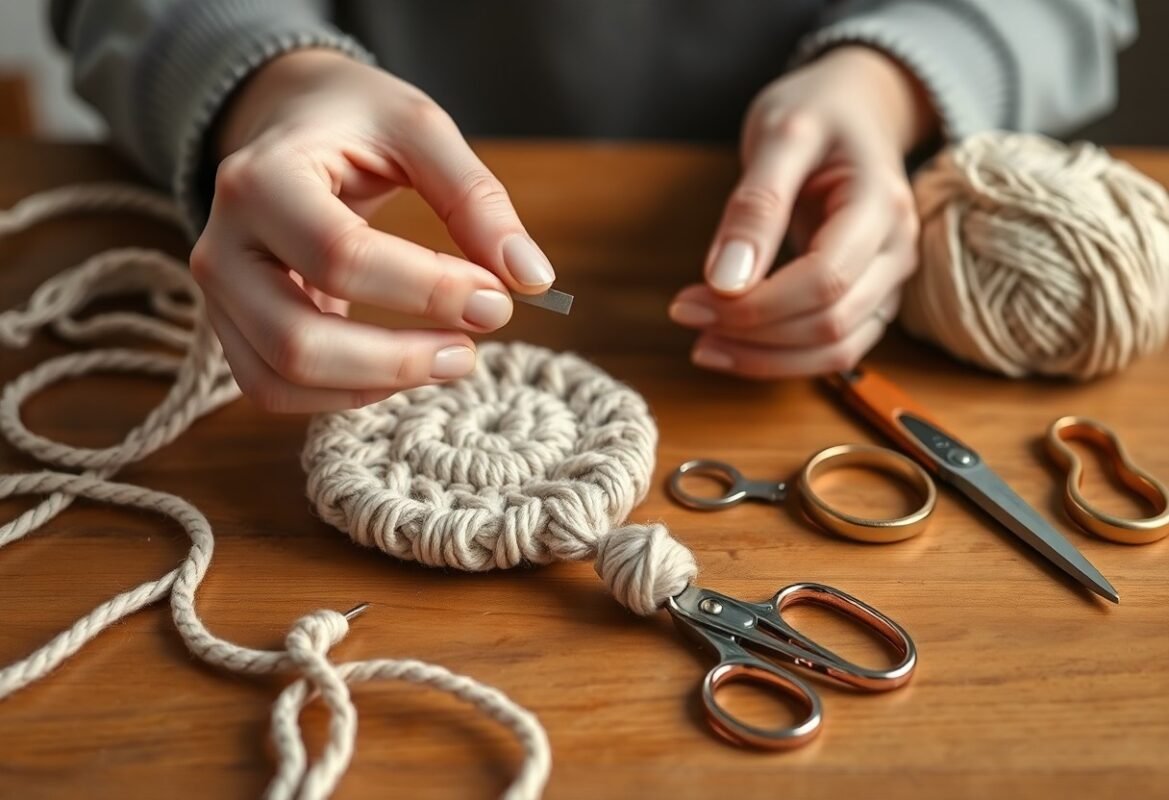
Start with 3-5 mm natural cotton cord and buy in 100 m spools to minimize joins; for a 60 cm wall hanging plan on 100-150 m. Include a 30-80 cm dowel or ring, 8″ scissors, binder clips or T‑pins, a 1 m tape measure, and a small comb for finishing fringes. Optional but helpful: a macramé board, a blunt tapestry needle for weaving ends, and a spray bottle for shaping knots.
Recommended Online Communities
Join active Facebook groups, the r/Macrame subreddit, and Instagram hashtag communities like #macramemakers and #macrame to get feedback, pattern swaps, and tutorial recommendations; these hubs host daily posts and problem‑solving threads. You’ll find designers sharing free patterns and short reels that demonstrate tension, knot order, and finishing techniques.
Use these communities to post progress photos for targeted advice-members typically point out tension issues, knot sequencing, or trimming suggestions within hours. Participate in monthly or weekly challenges to build speed and try new patterns; expect dozens of replies when you ask for a pattern check or cord sourcing tips.
Tips for Success in Learning Macrame
You should master square, half hitch, and lark’s head knots first, set 15-30 minute daily practice blocks, and use cord samples to test tension and texture; try the Online Course-Beginner Macramé Mini-Course for structured drills and video feedback. The steady, focused repetition speeds learning and prevents bad habits.
- Set micro-goals like completing a 12‑inch sampler in two sessions.
- Record short practice clips weekly to analyze tension and posture.
- Use a tension chart and cord swatches to standardize results.
- Keep labeled spools and imperative tools within arm’s reach.
Practicing Techniques
Practice knot drills in 15-20 minute blocks: do 10 repeats of square and half-hitch knots at three different tensions, then assemble a 12‑inch sampler to test pattern flow; you can film a weekly 5‑minute clip to spot tension drift and track measurable improvement.
Setting Up a Creative Workspace
Position your workspace near natural light or use a 5000K daylight lamp, set table height around 28-30 inches, mount a 24-36 inch dowel or adjustable clamp at eye level, and keep a small tool tray with scissors, tape measure, and beads within reach so you reduce strain and speed setups.
Store cords on labeled spools (1 m, 3 m, 5 m) in clear bins, add a 12×12 inch foam sample board with grid lines for layout checks, use binder clips to hold starting rows, and place an anti‑fatigue mat plus a low‑back stool for long sessions; these tweaks cut tangle time and make repetition work more efficient.
Final Words
Following this guide, you can select the best macrame online classes for beginners by prioritizing clear step-by-step instruction, comprehensive materials lists, paced projects, and instructor feedback-these elements ensure you master foundational knots, build confidence, and complete portfolio-ready pieces to expand your skills.
FAQ
Q: What should beginners expect from the best macrame online classes?
A: Clear step-by-step video demonstrations of basic knots (square, half hitch, lark’s head), explanations of common materials and cord types, downloadable patterns and supply lists, progressive projects that build skills, close-up camera angles, pacing suitable for novices, and guidance on finishing techniques and troubleshooting.
Q: Which online platforms commonly host high-quality beginner macrame classes?
A: Platforms with strong macrame offerings include Skillshare and Udemy for structured courses, Domestika for polished production and creative projects, Creativebug for craft-focused libraries, and YouTube for free tutorials and channel-based series; evaluate based on video quality, course structure, community features, and access model (subscription vs one-time purchase).
Q: How do I decide between free tutorials and paid courses?
A: Free tutorials are great for sampling basic knots and short projects; paid courses usually provide a full curriculum, higher production value, downloadable resources, instructor feedback or community interaction, and lifetime access-choose paid if you want structured progression, feedback, or advanced techniques; choose free to test interest before investing.
Q: What basic materials and tools should I buy before starting a beginner class?
A: Beginner kits should include cotton cord (3-5 mm for practice), a wooden dowel or metal ring, scissors, measuring tape or ruler, tape (to secure cords), a comb for fringe, and optional beads and a macrame board or clipboard; instructors often provide exact yardage and material recommendations in the course supply list.
Q: How much time will it take to complete a beginner macrame class and feel confident?
A: Short beginner courses run 1-3 hours of video and teach a few projects; more comprehensive beginner-to-intermediate courses range 5-15 hours plus practice time. Expect to spend practice sessions of 15-30 minutes daily over several weeks to internalize knots and tension control and to complete multiple small projects.
Q: Are project-based classes better for learning macrame than technique-only lessons?
A: Project-based classes accelerate learning by applying knots to real items (keychains, plant hangers, simple wall hangings), reinforcing knot repetition and finishing skills; technique lessons are useful for focused skill-building. The best beginner classes combine both: clear knot tutorials plus progressively challenging projects.
Q: What criteria should I use to evaluate instructor quality and course reviews?
A: Check for clear close-up filming of hands, step-by-step breakdowns, measured supply lists, sample lesson previews, instructor experience and portfolio, active student Q&A or community, real student project photos in reviews, and a fair refund or preview policy; prioritize courses where reviewers report they could follow lessons successfully and complete projects.