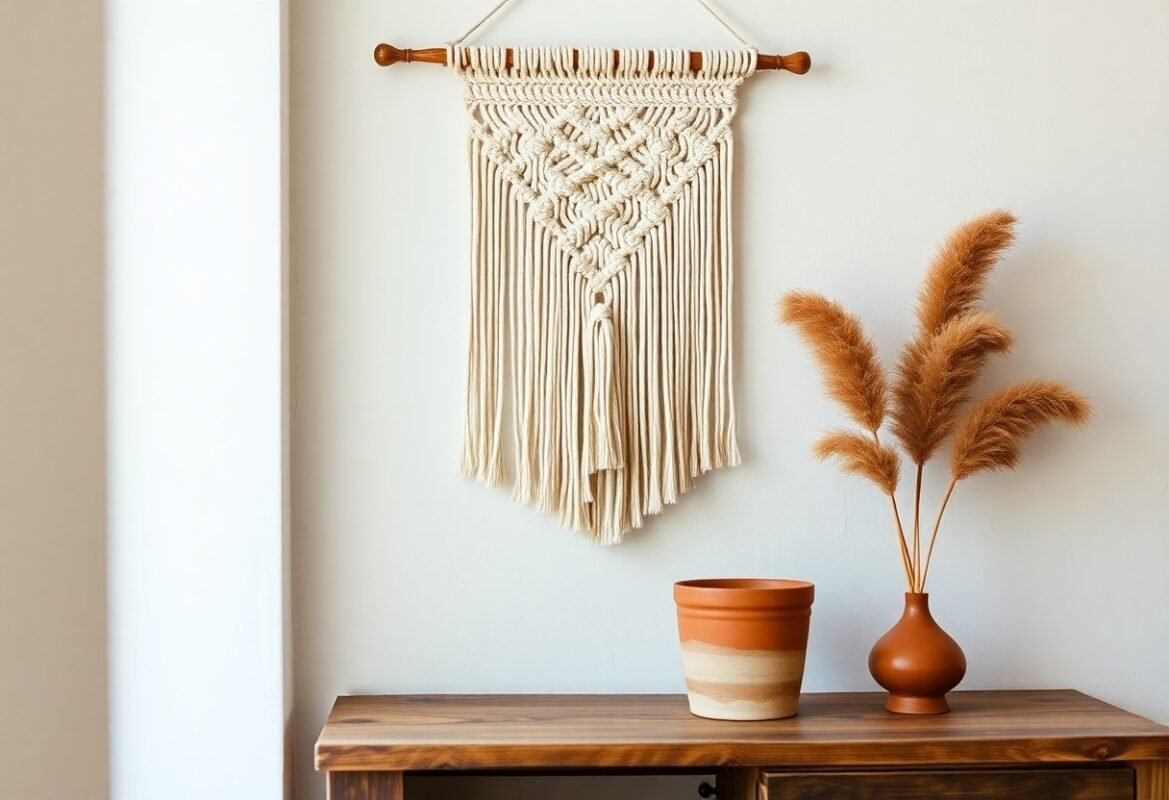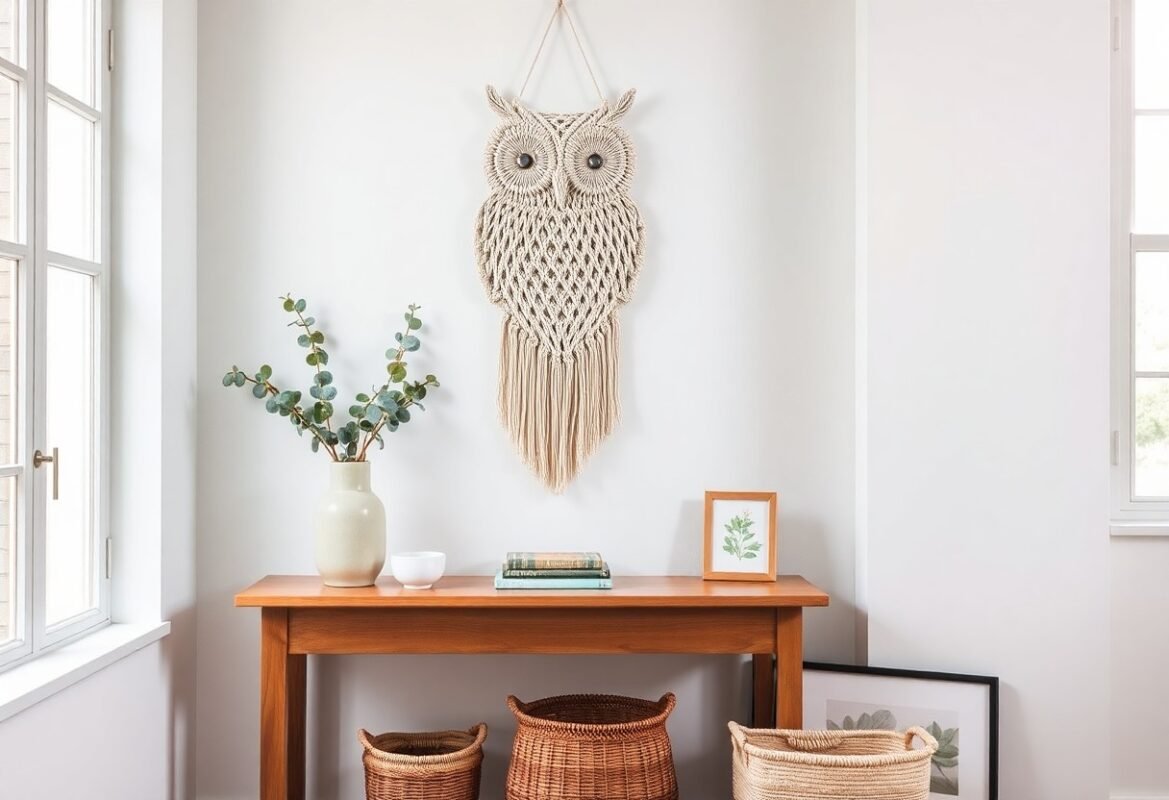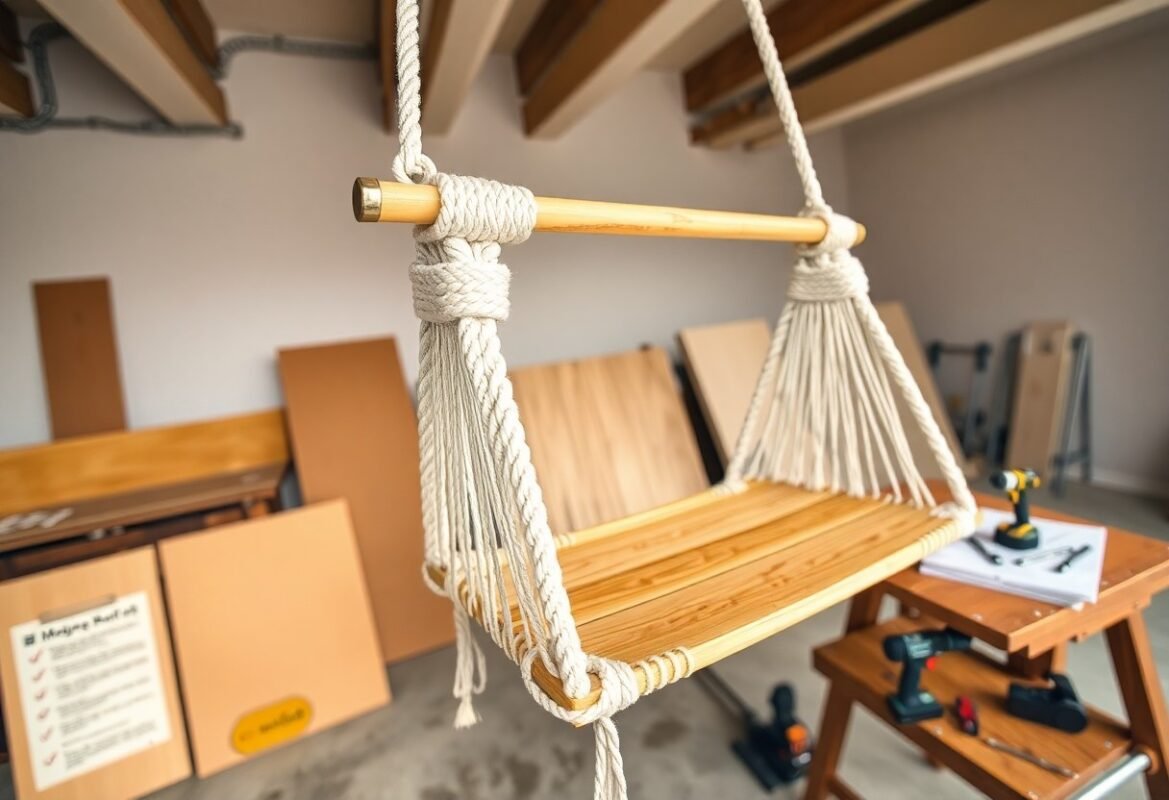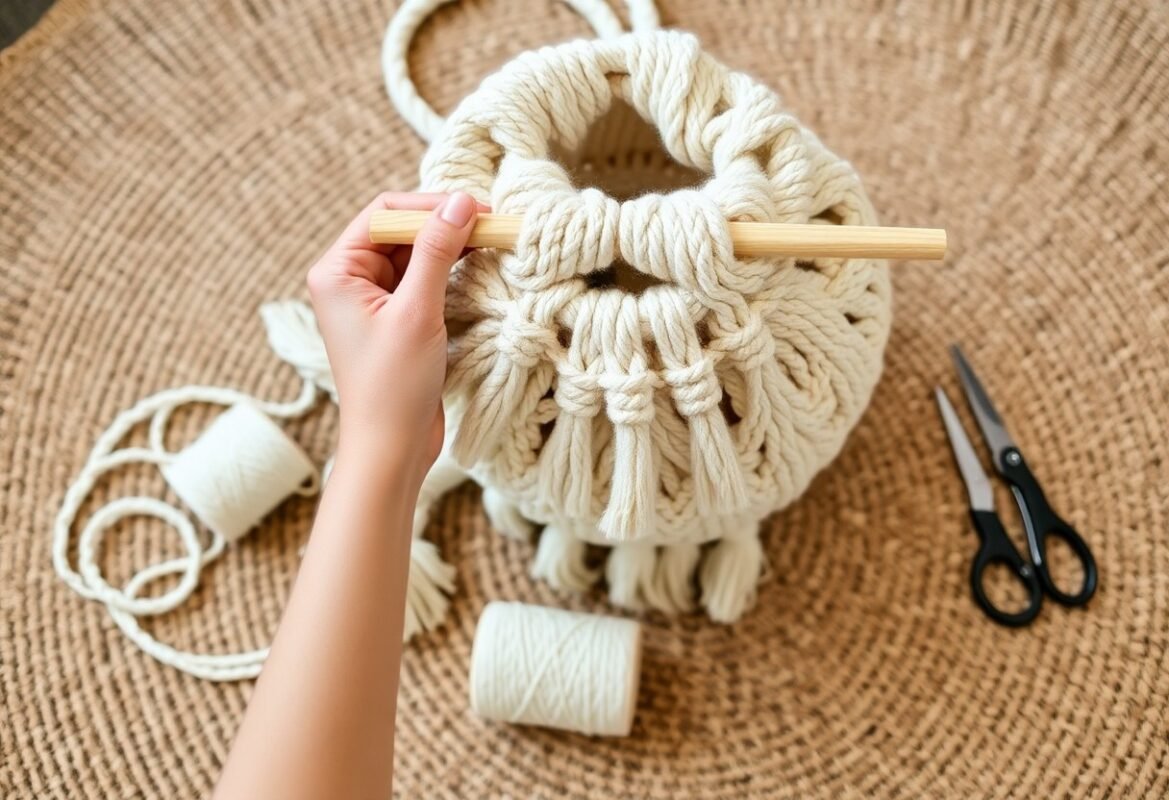


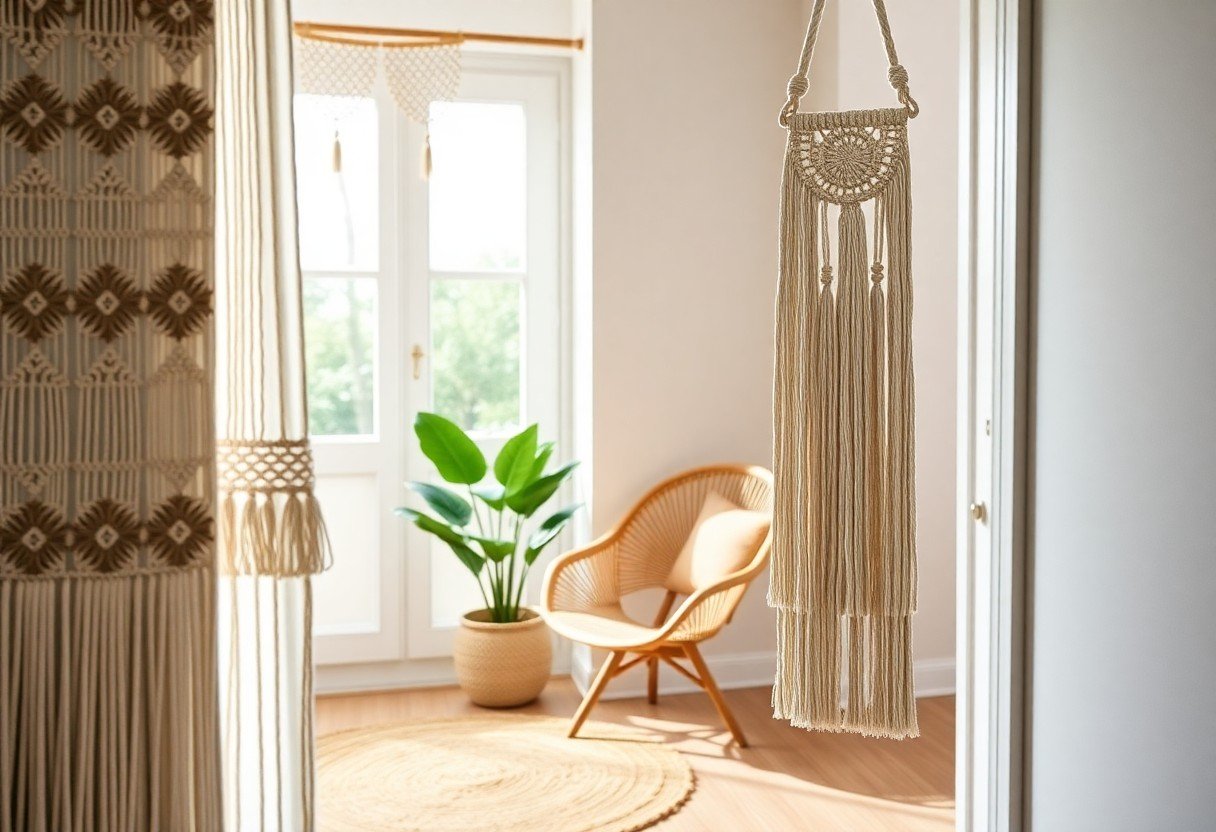
Macrame curtains transform your space with textured, handcrafted panels that balance light, privacy, and the free-spirited aesthetic of boho interiors. You’ll learn knot patterns, fiber choices, scale, and hanging methods so you can choose or create curtains that complement your color palette, window size, and lifestyle with lasting style and functionality.
Key Takeaways:
- Material and texture define the boho mood: choose cotton for soft drape, jute or hemp for rustic texture, and vary cord thickness to control openness.
- Knot patterns and scale control light and privacy: open lace designs maximize light, dense knots or a fabric backing increase privacy, and long fringe emphasizes height.
- Color and embellishments personalize the space: natural neutrals, subtle dyes, wooden beads, shell accents, and driftwood or brass rods enhance boho character.
- Hanging methods and sizing matter: measure full window plus desired fringe, use loops, clips, or dowels for support, and consider a double rod to layer macramé with fabric curtains.
- Care and durability: spot-clean or gentle wash, reshape knots while damp, and protect from prolonged sun exposure to prevent fading and wear.
Understanding Macrame
As you design macrame curtains, focus on structure: the craft uses a handful of knots-lark’s head, square, half hitch, spiral-about 6-8 foundational moves that make nearly every pattern. Repeating square knots yields a dense drape, while mesh-like netting and alternating half hitches create airy panels. You’ll balance knot density, pattern repeat, and fringe length to control light, privacy, and texture in your boho space.
History of Macrame
You can trace macrame to 13th-century Arab weavers’ “migramah” fringe work; by the 19th century sailors spread knotting across global ports as shipboard pastime and trade craft. Victorian homes of the 1800s embraced macrame for trims and décor, and a major revival arrived in the 1970s when macrame plant hangers and curtains became emblematic of the boho aesthetic.
Materials Used in Macrame
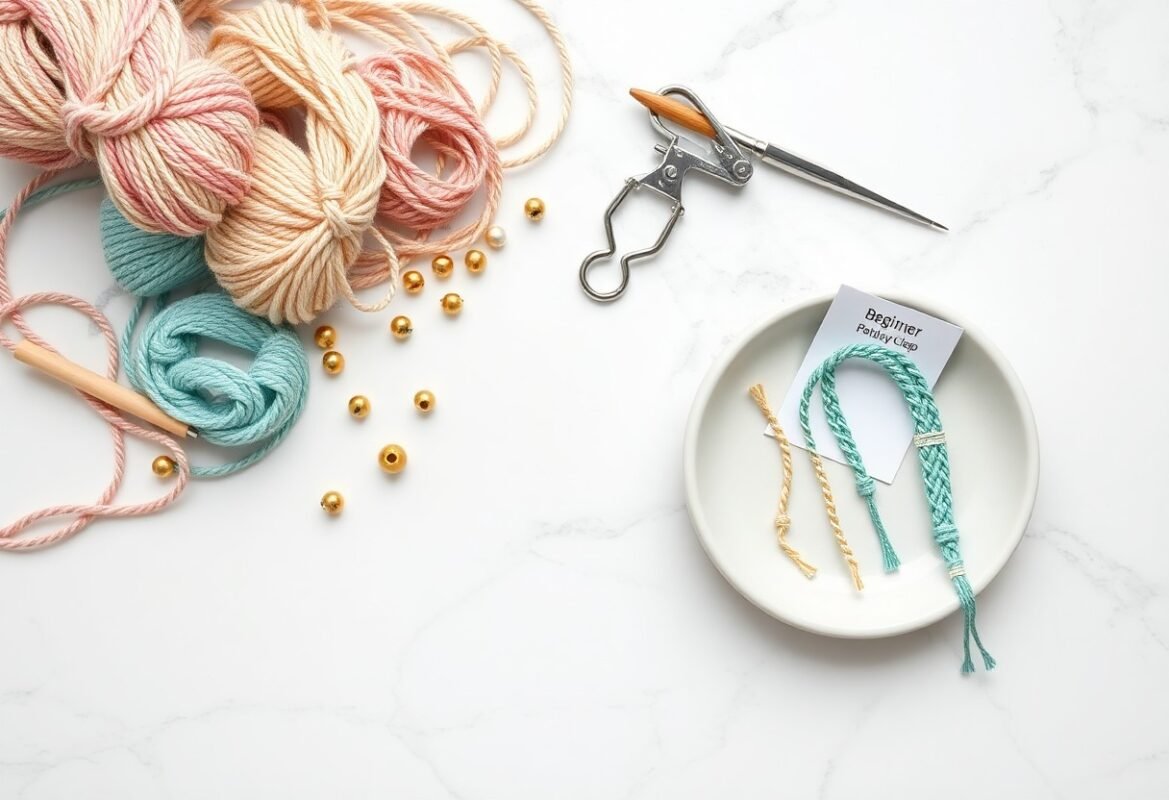
When choosing materials, you’ll pick cords like cotton, jute, hemp, rayon, or synthetic blends in diameters from roughly 3mm to 8mm; finer 3-4mm cords suit intricate openwork, while 6-8mm ropes give bold texture and weight. You’ll also use wooden or metal dowels, curtain rods, rings, and beads (wood, ceramic, brass) to anchor and embellish panels for durability and style.
For planning, estimate 3-5 times the finished length per working cord: a 2.4 m (8 ft) curtain typically needs cords cut to 7.2-12 m depending on knot density. You’ll favor cotton for easy washing, choose jute or hemp for rustic texture, and opt for polyester/nylon when moisture resistance or outdoor longevity matters.
Benefits of Macrame Curtains
Beyond their visual warmth, macrame curtains deliver measurable benefits for your home: texture softens harsh daylight, woven density filters roughly 30-70% of incoming light depending on knot spacing, and natural fibers like cotton and jute avoid VOCs found in many synthetic drapes. You can often find handmade panels for $40-$200, and their modular nature lets you reuse them as room dividers, headboards, or seasonal awnings to extend value across spaces.
Aesthetic Appeal
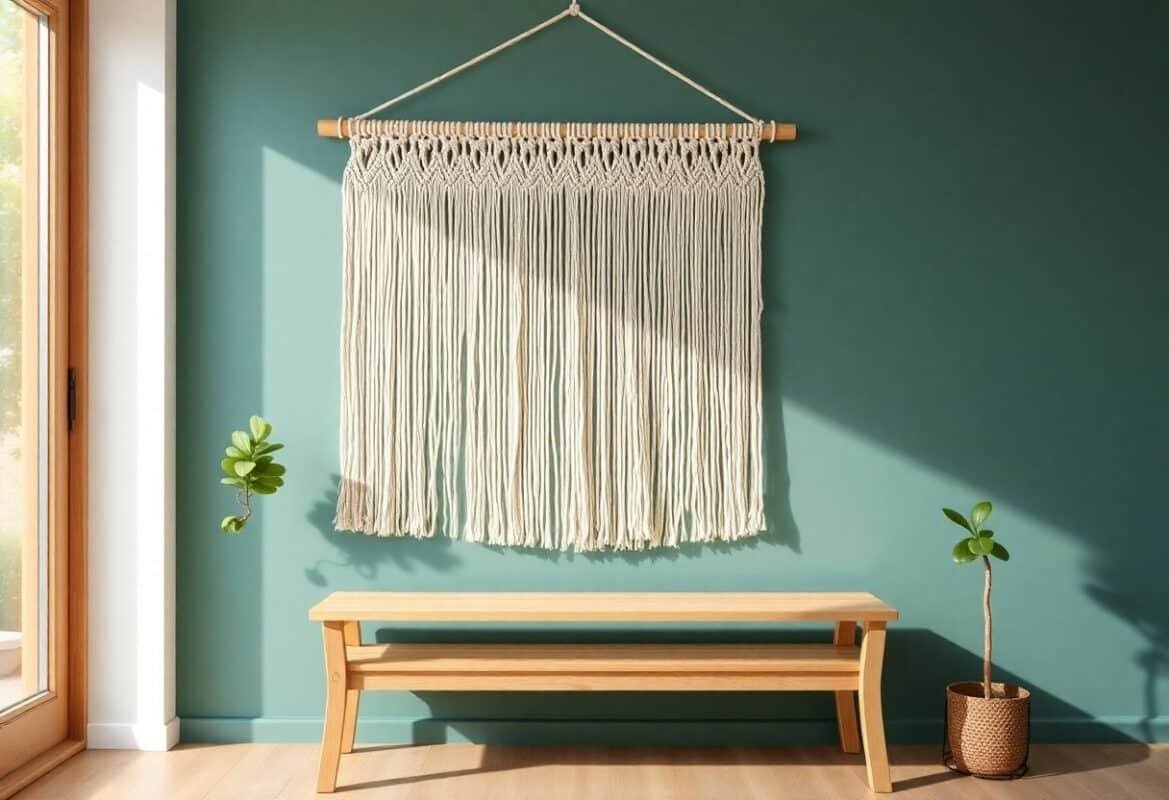
You get layered depth from macrame’s geometric patterns-diamond, lark’s head, and square knots-with fringe lengths typically between 12-40 inches to complement ceiling heights. Natural dyes and mixed fibers let you echo wood tones or brass accents; for example, a 100×50 cm panel in undyed cotton provides a soft focal point in a 1970s-inspired boho living room without heavy framing.
Functionality and Versatility
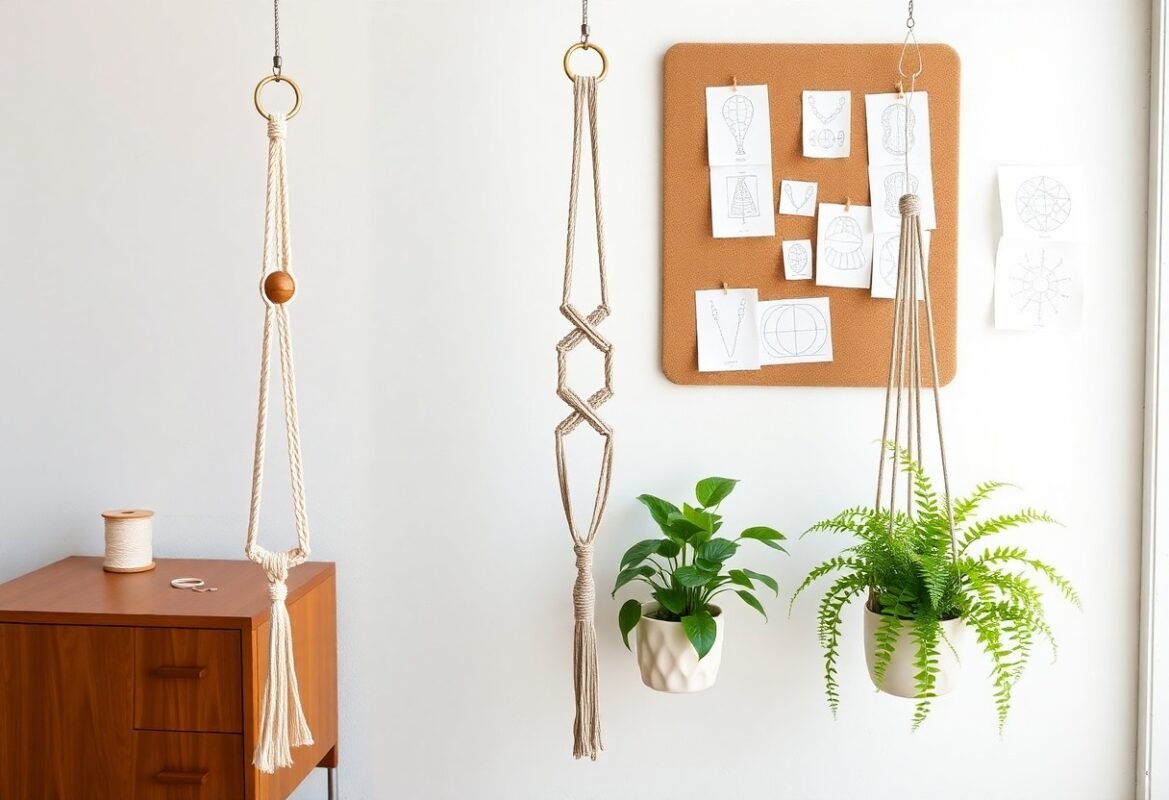
Macrame works as more than decor: you can use panels as light diffusers, privacy screens, and dust-reducing semi-barriers in open-plan layouts. When layered with liners or blackout curtains, you can achieve near-complete light blockage for bedrooms. Installation methods include rod-mounted, clip-on, or hook-suspended systems, and panels are portable for seasonal swaps or repurposing into cushions and plant hangers.
For practical installs, measure your window width and add 20-50% fullness-so a 120 cm opening needs 144-180 cm of total fabric for soft gathers. Select rods rated for 5-10 kg per panel when using thick cotton ropes; for outdoor use opt for weather-treated jute or marine-grade polyester. You should spot clean weekly, hand wash cold when necessary, then reshape and dry flat to keep knot tension and drape consistent.
Popular Macrame Curtain Designs
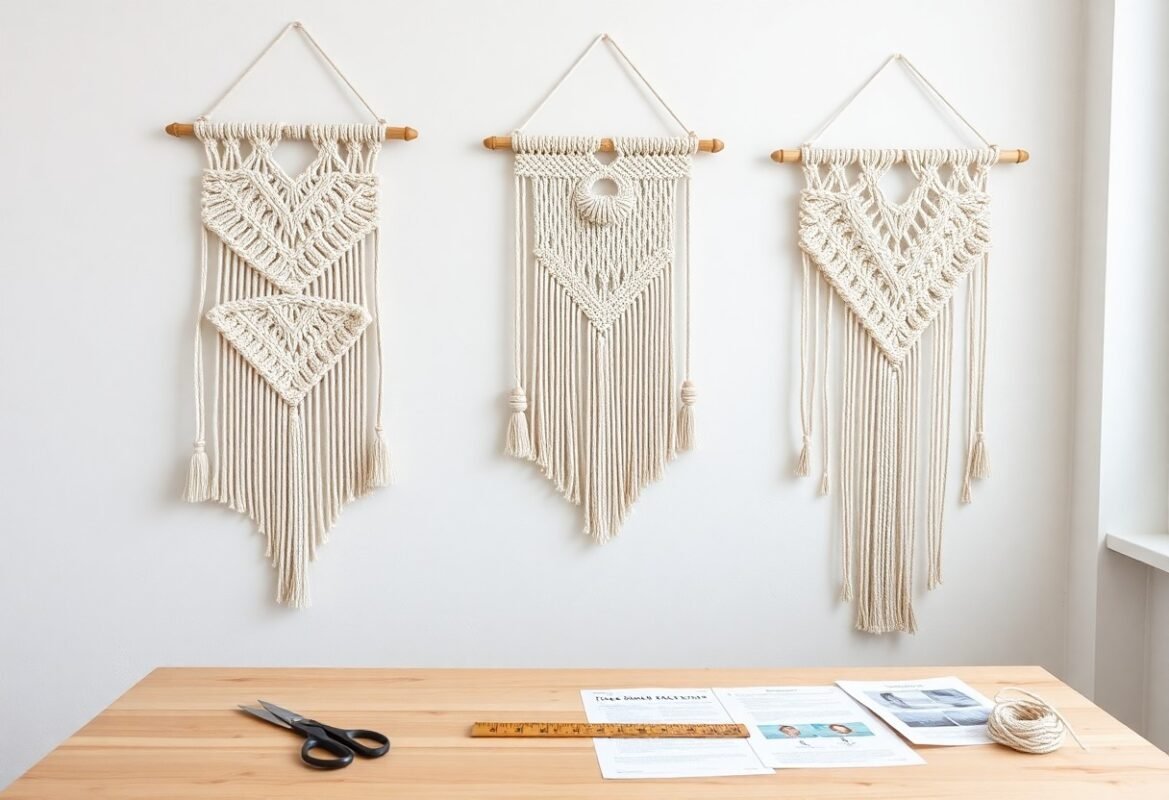
Diamond mesh panels, ladder-style strips, and beaded fringe are the designs you’ll see most often; diamond repeats commonly run every 8-12 cm, and standard curtain widths range from 80-240 cm so you can scale panels in 20-80 cm sections. Many makers pair 3-5 mm cotton cord with wooden dowels (20-40 mm diameter) or brass rods, and fringe lengths typically span 10-40 cm to balance light filtration with texture. You can mix open netting for airflow and tight knots for privacy.
Classic Knots and Patterns
Square knots, lark’s head attachments, double half hitches and alternating half hitch rows form the backbone of classic curtains you’ll want in a boho room. Diamond and chevron meshes are built by repeating square-knot clusters every 6-12 rows, and a simple 100×200 cm curtain in this style often takes 6-12 hours to knot. If you prefer denser coverage, increase cord thickness from 3 mm to 5 mm or reduce pattern spacing by 20-30%.
Modern Twists and Innovations
Designers now combine macrame with metal rings (30-50 mm), leather accents, dyed ombré cords and integrated 12V LED tape to create sculptural, functional curtains; a popular layout uses three 80 cm panels to cover a 240 cm opening. You can substitute polyester-blend cord for outdoor durability, add 6-12 mm wooden beads for rhythm, or mount macrame on stretched canvas for a framed, minimal look that keeps dust off the knots.
You can push the style further by mixing materials: pair 4 mm cotton cord for the main pattern with 2 mm waxed polyester tracers to add tensile strength, and space brass rings every 20-30 cm as anchor points for hanging planters or lights. For a sliding-door installation spanning 240×250 cm, plan three panels (80×250 cm each) and use a 40 mm dowel or industrial curtain track; dye gradients using fiber-reactive dyes with 2-6 minute immersion intervals per color band for controlled ombré. For maintenance, swap purely synthetic blends if you need machine washability, and test LED strips on a 12V transformer rated to the curtain width (roughly 4-8 W per meter) to avoid overheating while achieving dramatic evening backlighting.
DIY Macrame Curtain Projects
You can adapt the pattern from Easy Macrame Door Curtain DIY with Boho Style to fit a 80×200 cm doorway; many makers finish a basic panel in 3-5 hours. You’ll learn to scale cord length by multiplying curtain width by 8-10 for fringe and knotting allowance, and you can swap beads or dyed sections for a personalized boho touch.
Tools and Materials Needed
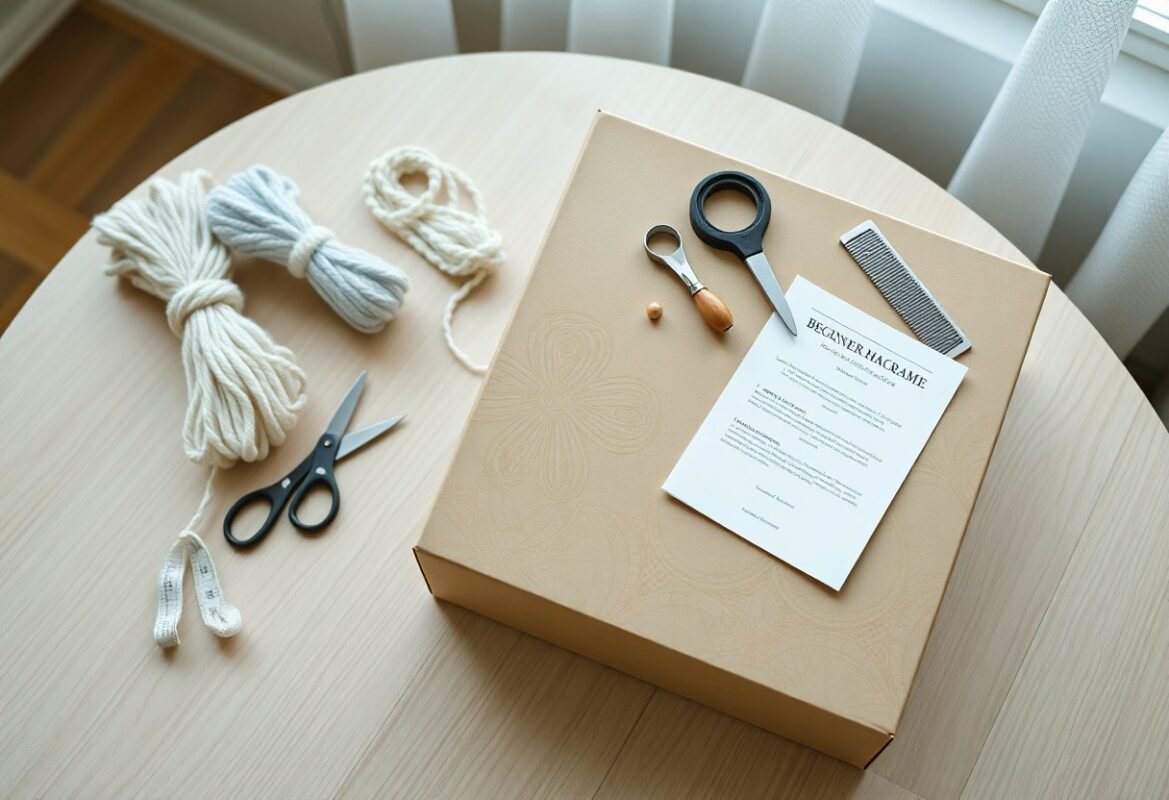
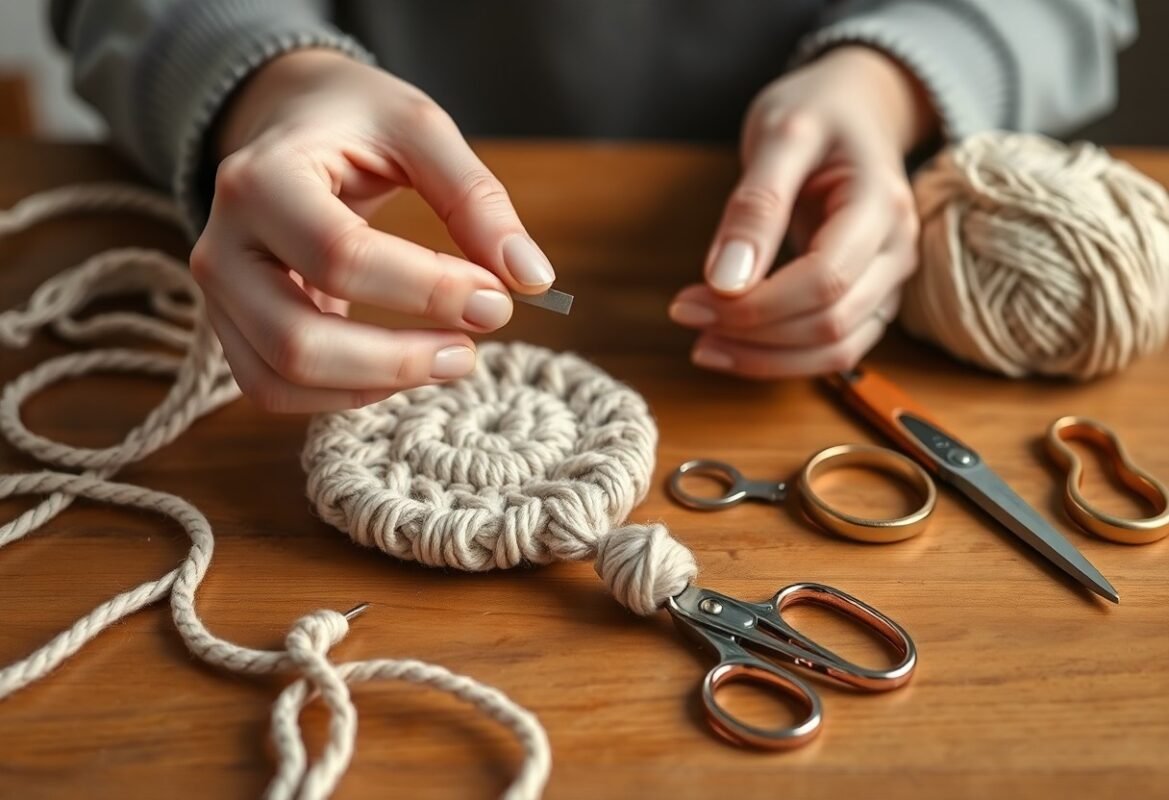
You should gather 3-4 mm cotton cord, a 120-160 cm wooden dowel or curtain rod, fabric scissors, a tape measure, masking tape, a comb for fringe, and 50-100 wooden/bead accents depending on your design; for a 100×200 cm curtain estimate 250-300 m of cord total.
Tools & Materials
| Cotton cord | 3-4 mm, ~250-300 m for 100×200 cm |
| Hanging bar | 120-160 cm wooden dowel or rod |
| Cutting & measuring | Sharp scissors, tape measure, masking tape |
| Finishing | Comb, beads (50-100), fabric glue (optional) |
Step-by-Step Instructions
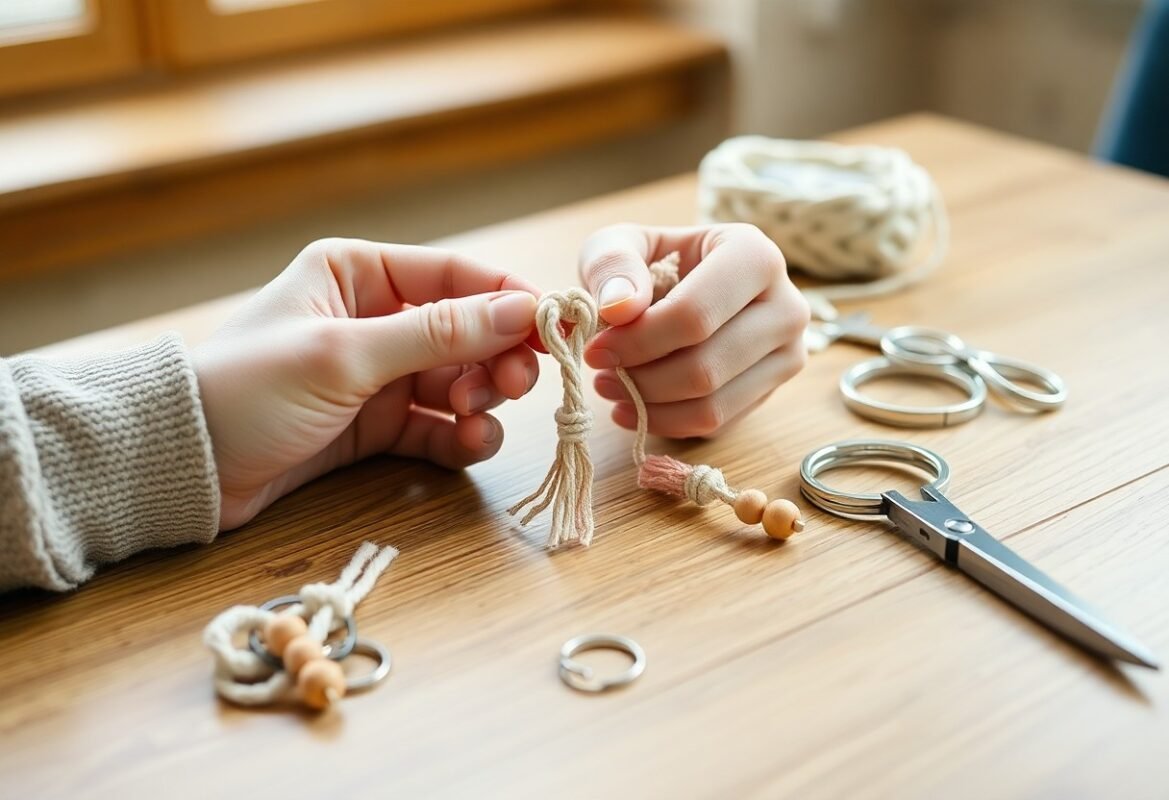
You’ll start by measuring and cutting cords using the 8-10x width rule, then attach cords with lark’s head knots, work rows of square knots and alternating patterns, introduce diagonal clove hitch sections for texture, and finish with a trimmed fringe; a medium panel takes about 4-8 hours depending on knot complexity and embellishments.
You can speed the build by prepping cord bundles beforehand and marking rows every 10 cm; plan pattern repeats (e.g., 4 rows square knot, 2 rows diagonal) to maintain rhythm and estimate time per row (~10-15 minutes for 20 knots).
Step-by-Step Breakdown
| Step 1 | Measure/cut cords (8-10× width), attach with lark’s head – 30-45 min |
| Step 2 | Work base rows of square knots (pattern repeats) – 1-2 hours |
| Step 3 | Add diagonal clove hitch sections and beads – 1-2 hours |
| Step 4 | Trim and comb fringe, secure ends, mount on rod – 30-60 min |
Styling Tips for Boho Homes
Frame your windows by hanging macramé 6-8 inches above the frame and size panels to 1.5-2× the window width for soft fullness; mix cotton rope, wooden beads, and brass accents to add texture.
- Use 3-4 ft panels for small windows and 5-6 ft panels for sliding doors.
- Layer with sheer curtains (60-80% light filter) to maintain glow while adding privacy.
- Choose rods rated for 5-15 lb to support denser, knotted pieces and wooden dowels 1-1.5 in for a natural look.
Any handcrafted options are easy to find on Boho Curtains Macrame.
Integrating Macrame Curtains with Decor
Anchor your macramé with natural materials: layer a jute rug and a rattan chair, and keep your palette roughly 60% neutrals, 30% earth tones, 10% accent. Hang panels so tassels clear the sill by 2-4 inches, and balance with plants at 2-6 ft heights for vertical interest. For example, in a 150 sq ft living room, two 5‑ft panels over a 6‑ft window add depth without blocking daylight.
Complementary Accessories
Choose accessories in odd-numbered groupings: you might place three cushions (two 18×18 linen, one 20×20 velvet) on your sofa and add a woven basket beside it. Pair warm metals like brass lamps with wooden shelves, and position a 24-36 inch macramé wall panel above the curtain rod to echo the curtain’s texture.
Scale accessories to room size: in a 200 sq ft space, use three cushions on a 6‑ft sofa, two 10-12 inch potted plants, and one 18‑inch mirror. Swap textiles seasonally-linen for spring/summer, wool for autumn/winter-and keep one bright accent (a 14×20 pillow or ceramic vase) to tie the scheme together.
Caring for Macrame Curtains
You should treat macramé like delicate textiles: dust weekly with a soft brush or low-suction vacuum, spot-clean stains with a mild detergent and cold water, and hand-wash or use a mesh bag on a gentle cycle when needed. For ready-made panels and replacement options, Shop Boho Macrame Curtains At Lush Decor – LushDecor to match your style. Air-dry flat to preserve knot integrity and fringe shape.
Cleaning and Maintenance
If dust accumulates quickly in your space, vacuum curtains weekly using a brush attachment; otherwise every 2-4 weeks often suffices. Treat spills immediately by dabbing with a soft cloth and a teaspoon of mild detergent in a liter of cold water, then rinse. When washing whole panels, choose hand wash or a 30°C delicate cycle in a mesh bag, reshaping knots while damp to prevent permanent distortion.
- Use a lint roller for quick pet-hair removal and spot-clean stains within 24 hours.
- Store spare panels flat, not folded, to avoid creasing if you switch seasonally.
- This helps maintain clean fibers and reduces the need for frequent full washes.
Longevity Tips
To extend lifespan, limit direct sun exposure by using sheers or rotating panels every 3 months; UV weakens natural fibers over time. Check hanging hardware: upgrade to brass or stainless anchors if panels exceed 5 kg, and reinforce top loops with a stitch or small fabric strip to stop slippage. You should also avoid harsh chemicals and high heat when drying.
For ongoing care, perform a close inspection twice a year: examine knots for loosening, inspect fringe for fraying, and spot-treat any discoloration early. If you live in humid climates, run a dehumidifier or ensure cross-ventilation to prevent mildew; in dry, dusty environments, consider a washable liner behind the macramé to cut cleaning frequency by roughly half.
- Re-tie or add small half-hitches to any knots that shift after washing to preserve pattern integrity.
- Use UV-protective window film if curtains face strong afternoon sun for more than 4 hours daily.
- This preserves color and fiber strength so your macramé stays vibrant for years.
To wrap up
Taking this into account, you can use macrame curtains to define your boho home’s atmosphere by choosing natural fibers, varied knot patterns, and layered lengths to control light and privacy; select earthy or dyed palettes, add beads or fringe for texture, and tailor scale to windows so your decor feels cohesive and personal.
FAQ
Q: What makes macrame curtains a good choice for boho homes?
A: Macrame curtains bring texture, handcrafted warmth and organic patterns that align with boho aesthetics. Their open-weave designs introduce soft light and visual interest while the natural fibers and fringe details complement layered textiles, plants and eclectic furniture commonly found in boho interiors.
Q: Which cord types and materials work best for durable, attractive macrame curtains?
A: Choose natural fibers like cotton, jute or hemp for authentic boho character; cotton is soft and easy to knot, jute and hemp add rustic texture and durability. For long curtains or outdoor use, consider polyester-blend cords for weather resistance. Typical cord thicknesses range from 3 mm (delicate patterns) to 6-8 mm (bold, structural panels).
Q: How do I determine the correct size and pattern for my window or doorway?
A: Measure width and height, then add overlap: allow 10-20% extra width for fullness and 10-30 cm (4-12 in) extra length for fringe and hanging hardware. For tall windows choose elongated vertical patterns and long fringe to emphasize height; for wide openings use repeating panels or multiple curtain panels with lower-density knots to maintain light flow.
Q: What are the best hanging methods and hardware for macrame curtains?
A: Use wooden dowels, metal rods, brass or copper pipes, or reclaimed branches for boho appeal. For heavy panels, mount a ceiling track or sturdy rod with brackets placed into studs or with appropriate wall anchors. Ring clips, slotted dowels or wrapped loop tops distribute weight; secure knots and attach a hidden header if you need extra reinforcement.
Q: How should I clean and maintain macrame curtains without damaging them?
A: For light cleaning, dust or shake them outside and vacuum gently with a brush attachment. Spot-clean stains with mild detergent and cool water. For cotton panels, hand-wash or use a gentle machine cycle inside a laundry bag, then reshape and air-dry flat or hanging to avoid stretching. Avoid high heat and strong bleach; re-twist or re-knot fringe if tangles occur.
Q: How can I style macrame curtains within a boho room for a cohesive look?
A: Layer macrame over sheer or patterned fabric for added privacy and depth. Coordinate with woven rugs, wicker or rattan furniture, and an abundance of plants for textural contrast. Add natural-colored pillows and mixed metallic accents; use beads, shells or dyed cords to echo other colors and motifs in the room without overwhelming the neutral base.
Q: What are practical DIY tips and common mistakes to avoid when making macrame curtains?
A: Plan your pattern on paper and make a small sample swatch to test cord behavior. Use consistent tension, measure cords with extra length, and mark spacing on the rod before attaching. Avoid using overly slick cords if you want stable knots; don’t underestimate weight-reinforce hanging points and use thicker cords for lower, long panels. Finish edges cleanly and secure fringe to prevent unraveling.