

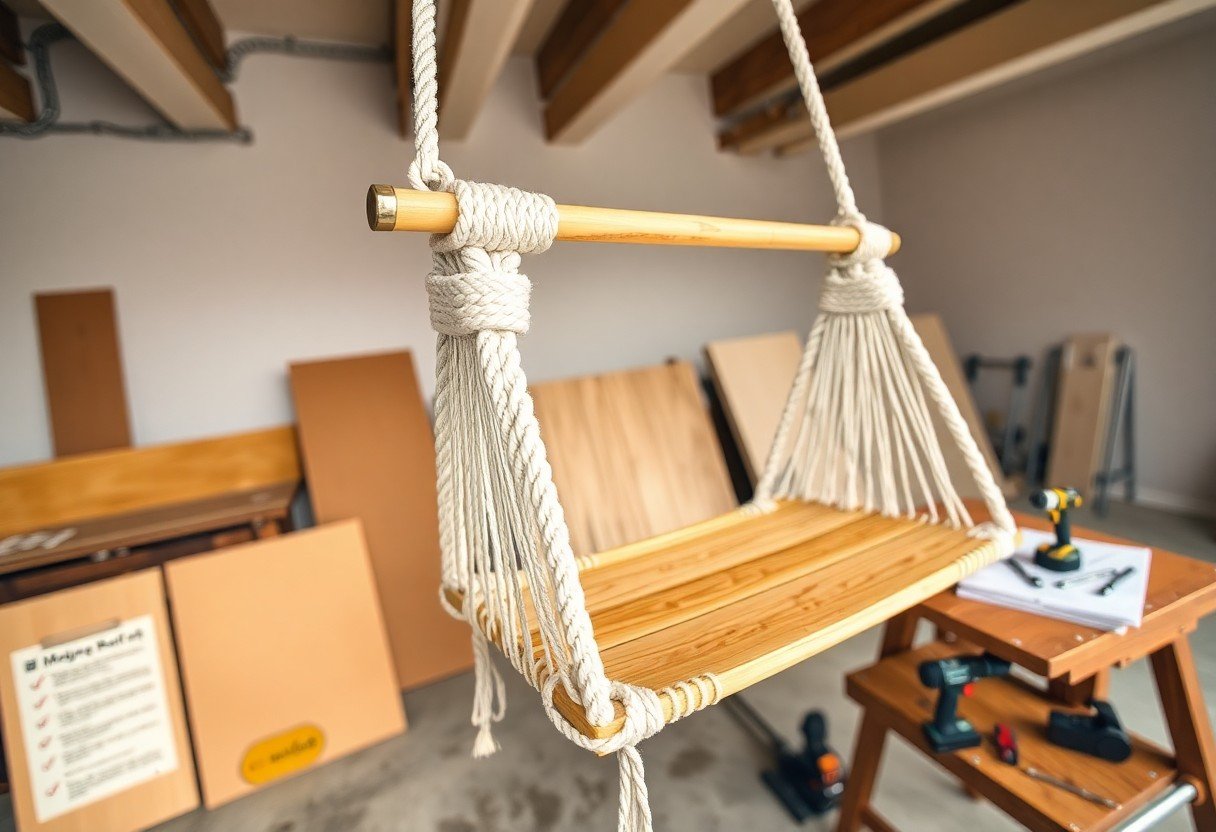
Chair macramé swings can transform your indoor or outdoor space, and you should assess design, cord material, knot quality, and secure mounting to keep your seat both stylish and safe. Choose durable fibers, inspect hardware regularly, follow weight limits, and install with appropriate anchors; learning basic knot techniques and testing stability before use will protect you and guests.
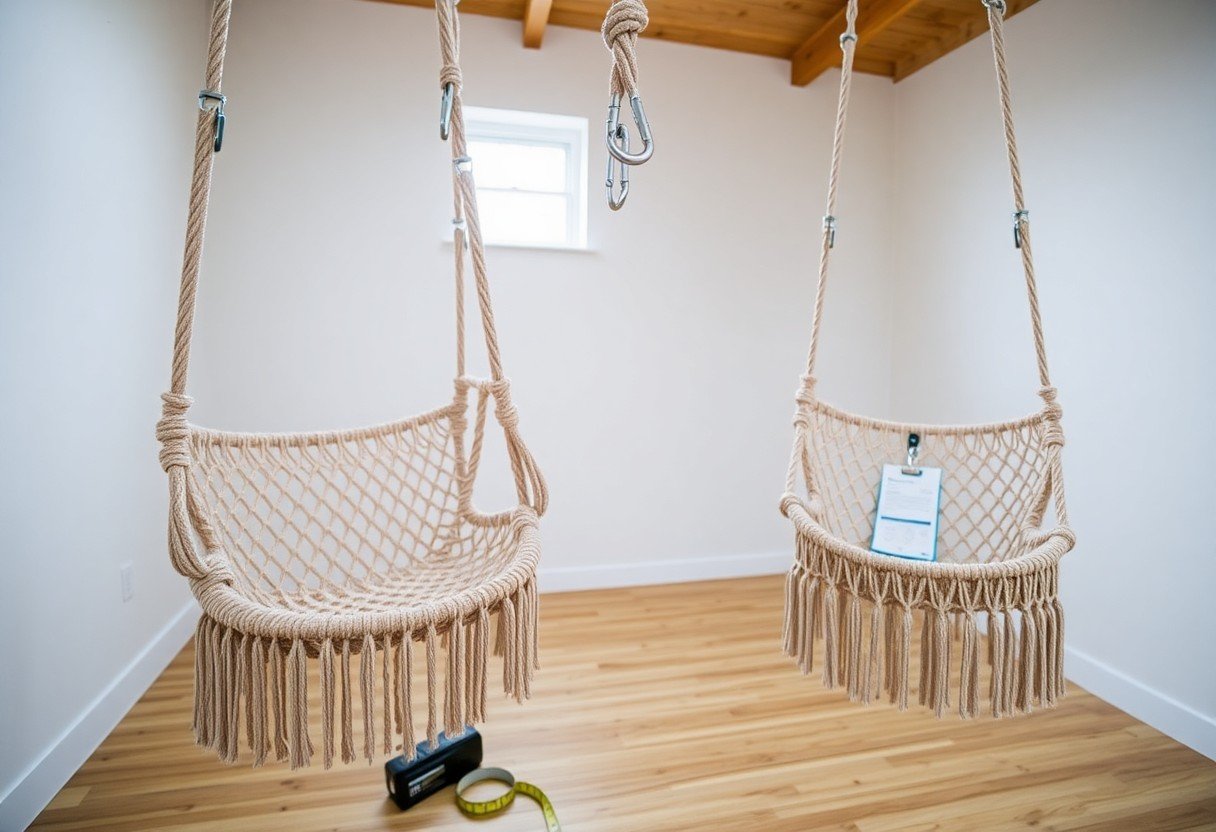
Key Takeaways:
- Design: choose macramé patterns, seat shape, and a supporting ring that distribute load evenly and match intended use.
- Materials: use UV-resistant, weatherproof cord (polyester, nylon, or marine-grade rope) and quick-drain outdoor cushions for longevity.
- Hardware & installation: hang from a structural beam or approved tree strap using load-rated eye bolts, carabiners, and a certified hanging kit sized to the chair’s weight rating.
- Safety checks: inspect knots, cords, and hardware regularly for fraying, corrosion, or loosening; replace damaged components and perform a load test after installation or repair.
- Placement & use: allow adequate clearance for motion, set a safe seat height, limit occupants to the rated capacity, supervise children, and avoid use in high winds.
Understanding Macramé Swing Chair Designs
You should match pattern density, seat shape, and supporting ring to spread load evenly; denser square-knot panels create a firm seat while open netting concentrates loads at junctions, so select cord diameter (typically 5-8 mm), consider doubling main suspension lines, and prototype a panel under a static load equal to your anticipated occupant weight plus 50% before final installation.
Types of Macramé Patterns
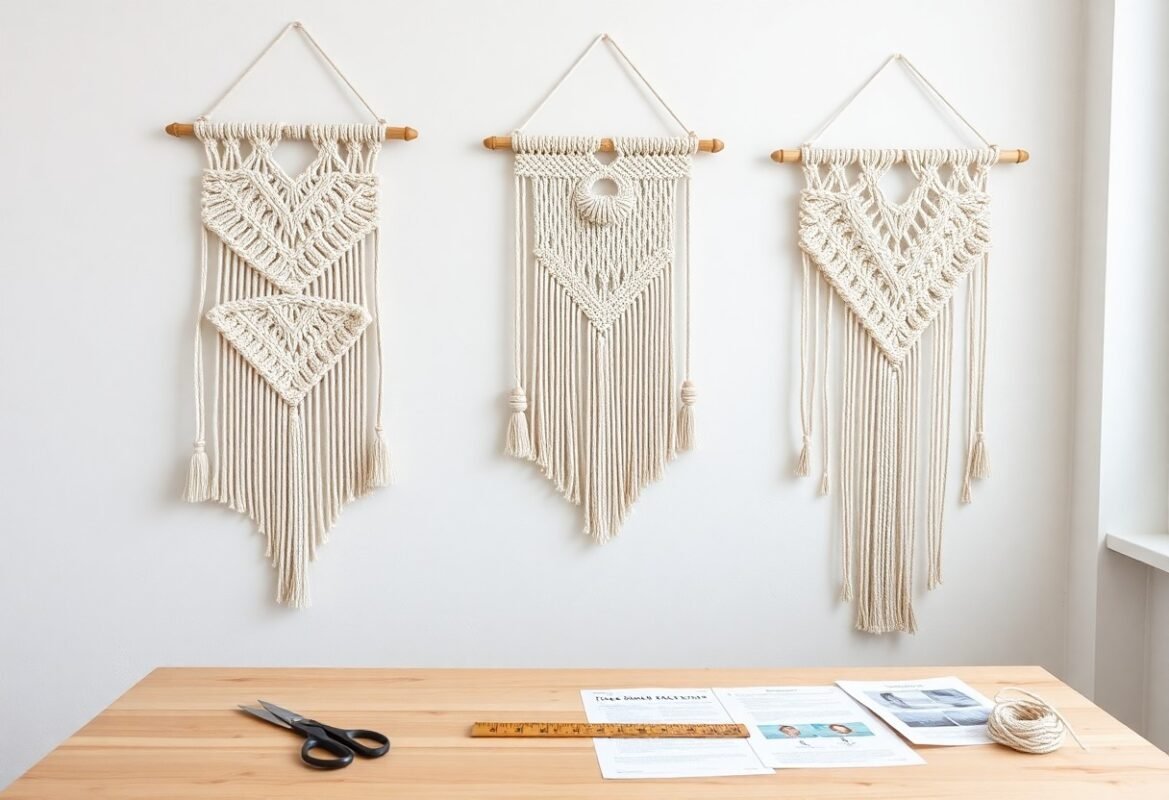
You’ll choose patterns that trade aesthetics for load behavior: square-knot panels give even distribution for seating, half-knot spirals are decorative but can twist, diagonal clove-hitch sculpts contours, lark’s-head is ideal for tidy edges, and netted seats prioritize airflow at the expense of point-loading-always test pattern samples under expected loads to verify performance.
- Square-knot panels – dense, distributes weight across rows.
- Half-knot spiral – decorative, may introduce twist without counter-balance.
- Diagonal clove-hitch – shapes lumbar support and contours.
- Netted hammock-style – airy and light but concentrates load at junctions.
- Thou should load-test a sample panel to measure stretch and point-loading before final build.
| Square-knot panel | Firm seating, low apparent stretch, suited to indoor or heavy-use chairs. |
| Half-knot spiral | High visual texture; use mirrored panels to prevent twisting under load. |
| Diagonal clove-hitch | Excellent for shaping backrests and distributing pressure along curves. |
| Lark’s-head edges | Clean attachment points for rings and frames; reduces slippage at top. |
| Netted hammock-style | Lightweight and breathable; reinforce connection nodes to avoid point failures. |
Choosing the Right Material
You should pick cord by strength, stretch, and exposure: cotton offers softness for indoor use, polyester gives low stretch and UV resistance outdoors, nylon provides high tensile strength but more elasticity, and natural fibers like jute are best for decorative, sheltered settings; use 5-8 mm cord for single-seat chairs and design with a safety margin around 8× your expected maximum load.
Focus on braided constructions for abrasion resistance and minimal elongation, and double the primary suspension lines when possible; specify stainless-steel hardware (M10 or 3/8″ shackles/carabiners) with ratings well above your design load. For example, if you expect a 120 kg occupant, size cords and anchors to ~960 kg (8×) and perform static testing at 1.25× the design load before regular use, then inspect knots, splices, and cord condition monthly and replace any element showing fray or more than ~10% permanent stretch.
Creating Your Own Macramé Swing Chair
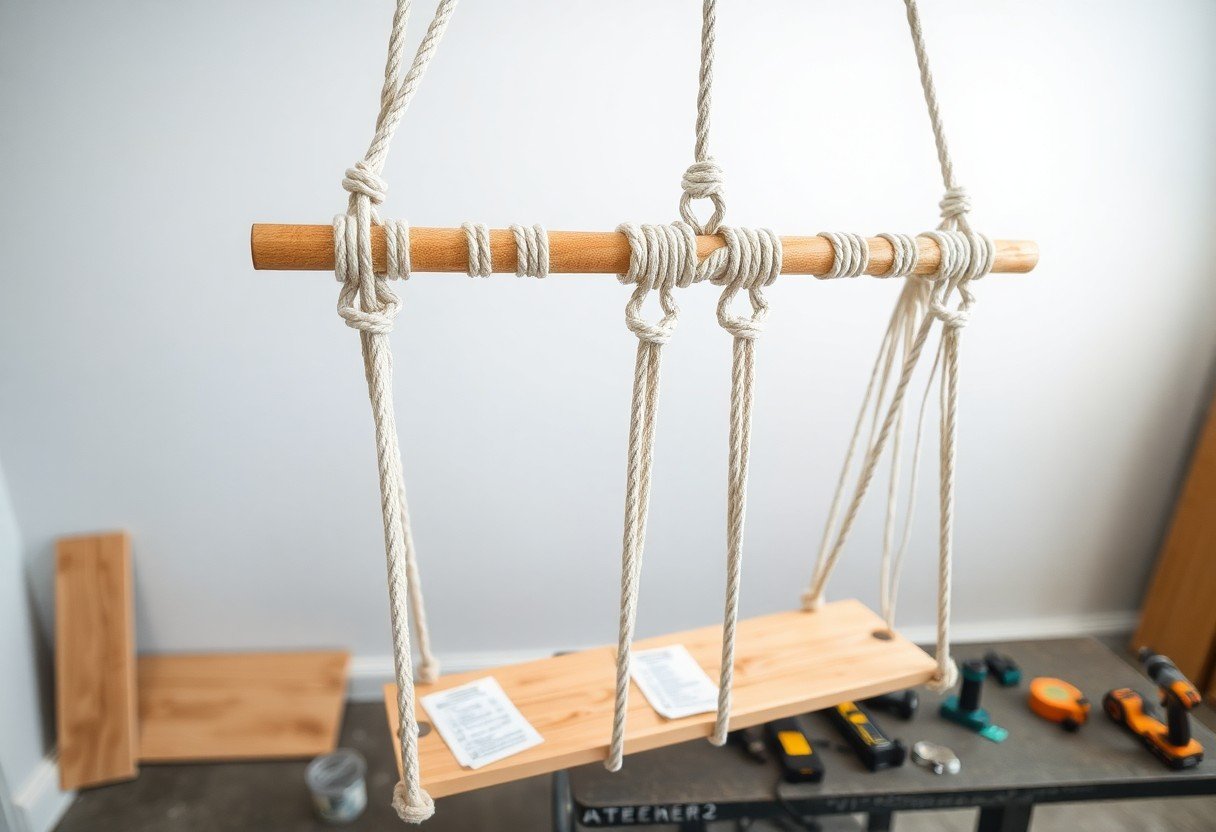
When you build your own macramé swing chair, plan the pattern, ring size, and load path first; choose a supportive ring (30-40 cm) and cotton or polyester cord (8-10 mm). Follow a safe installation guide such as How to Install a Hanging Chair In The Safest Way … and test the finished seat to 1.5-2× your intended load before regular use.
Step-by-Step Guide
You should start with a measured plan, cut cord lengths (typically 30-40 m total for a single chair), secure cords to the ring using lark’s head and square knots, braid or knot the seat to distribute load, add a spreader bar if needed, hang temporarily and perform a load test at 1.5× the design weight before final installation.
Step-by-Step Checklist
| Step | Action |
|---|---|
| 1 | Measure & cut cords; total ~30-40 m depending on pattern |
| 2 | Attach cords to a 30-40 cm ring with lark’s head knots |
| 3 | Tie seat pattern (square knots, half-hitches); reinforce stress points |
| 4 | Install rated hardware and load-test at 1.5× the expected occupant weight |
Essential Tools and Supplies
You’ll need a measuring tape, drill and correct bit for your anchor, a 30-40 cm metal or wooden ring, 8-10 mm cotton or polyester cord (30-40 m total), stainless-steel hardware (M10 or 3/8″ eye bolt and carabiner rated ≥1,000 lb), sharp scissors, tape, and a stable ladder.
If you’re installing outdoors, choose UV-resistant polyester or nylon so your cord retains strength in wet conditions; use stainless steel (A4/316) hardware near salt air. You should add 10-20% extra cord for dense patterns, and consider a wooden spreader bar 60-80 cm wide to widen seating and reduce rope abrasion.
Safety Considerations for Macramé Swing Chairs
You should inspect knots, rope, and hardware before each season and after any heavy use; frayed cotton, UV-bleached polyester, or corroded metal lower safety margins quickly. Check for abrasion where the rope meets rings and spreaders, and replace any component showing visible wear. Aim for routine checks every 3-6 months outdoors, and tighten fasteners after the first week of installation and periodically thereafter to prevent gradual loosening from dynamic loads.
Weight Limits and Load-Bearing
You must match your swing’s rated capacity to intended use: single-seat macramé swings commonly rate 250-350 lb, while heavy-duty designs and commercial kits go 400-600+ lb. Allow a safety factor of at least 3× the expected maximum load because swinging generates dynamic forces that can double or triple static weight. If two people will use the chair, add both weights plus 20-50% extra for movement when sizing rope and hardware.
Installation and Support Requirements
You should anchor only into solid structure: a ceiling joist, beam, or engineered header, not drywall or hollow anchors. Use hardware rated for at least 1,200-2,000 lb (3× expected load), preferably stainless steel or galvanized for outdoor use, and employ locking carabiners or screw-eye bolts with washers. Maintain about 24 inches clearance from walls and a seat height near 16-18 inches for safe entry and exit.
To secure a reliable installation, locate joists with a stud finder and confirm size-2×8 or larger is preferred for single-chair loads; use a beam clamp or a 3/8″ lag eye bolt into a joist with a backing plate when possible. Spread the load with a wooden spreader bar or heavy-duty metal ring to avoid point loading, and choose marine-grade polyester rope or climbing-rated webbing for higher abrasion and UV resistance. If your ceiling uses multiple small rafters, install a plywood mounting block across several members to distribute force. When in doubt, have a licensed contractor or structural engineer verify anchor capacity and follow local building codes.
Maintenance and Care for Your Macramé Swing Chair
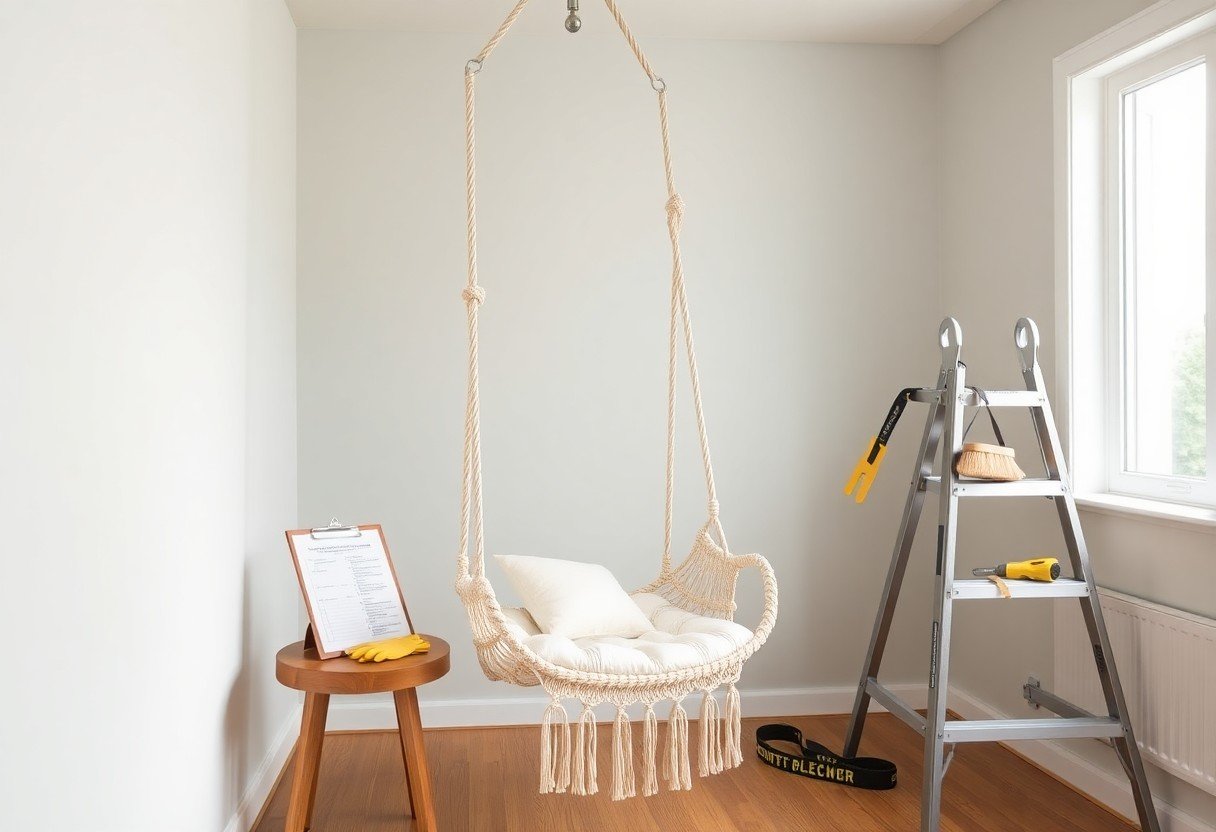
Keep a maintenance log and inspect ropes, metal rings, and carabiners monthly; note any fraying, discoloration from UV exposure, or elongation. You should rotate hanging points seasonally and swap cotton for UV-resistant polyester outdoors if you want longer life. For guidance on secure anchoring and rafter considerations, consult I need help: I want to hang a hammock chair from a rafter …, and replace components showing more than 10-15% wear.
Cleaning Tips
Spot-clean daily grime quickly and schedule a deeper wash every 3-6 months depending on outdoor exposure.
- Treat stains with mild detergent and cold water; avoid bleach on natural fibers.
- Machine-wash removable cotton seats on a gentle cycle inside a laundry bag.
- Air-dry away from direct sun to limit UV weakening and shrinkage.
After drying, re-tension knots, inspect splice integrity, and check for any hidden moisture that could promote mildew.
Repairing and Restringing
If individual cords show core exposure or more than 15% diameter loss you should replace them using matching diameter rope-commonly 6-8 mm for cotton and 5-7 mm for polyester. You can splice synthetic cords or use a whipping/taper for natural fibers, and always fit hardware rated at least 2-3× the expected working load (e.g., 600-900 lb for two-person use).
When restringing, measure each strand length from hanging point to seat plus 10-15 cm for knotting, and rebuild the macramé pattern one cord at a time to maintain symmetry. Test the repaired chair progressively with static loads up to 1.5× typical use weight, inspect every knot under tension, and add protective sleeves over metal contact points to reduce abrasion and extend lifespan.
Stylish Ways to Incorporate Swing Chairs into Your Home
Place a macramé swing as a focal point in a reading nook, balcony, or covered patio to add texture and movement. Aim for seat height 16-20 inches above the floor, allow 2-3 feet of clearance on all sides, and use hardware rated at least 300 lb (136 kg). Mix cushions, throws, and plants to tie the chair into your color palette.
Indoor vs. Outdoor Settings
Indoors you can choose soft cotton cord and decorative fringe; outdoors select UV-stable polyester or polypropylene cord with stainless-steel (A4/316) hardware for corrosion resistance. Mount to a ceiling joist or beam rated for point loads and add a backing plate or beam clamp; outdoors prefer pergola rafters or load-tested eye bolts. Opt for quick-dry cushions and water-resistant fabrics when exposure is likely.
Design Inspirations
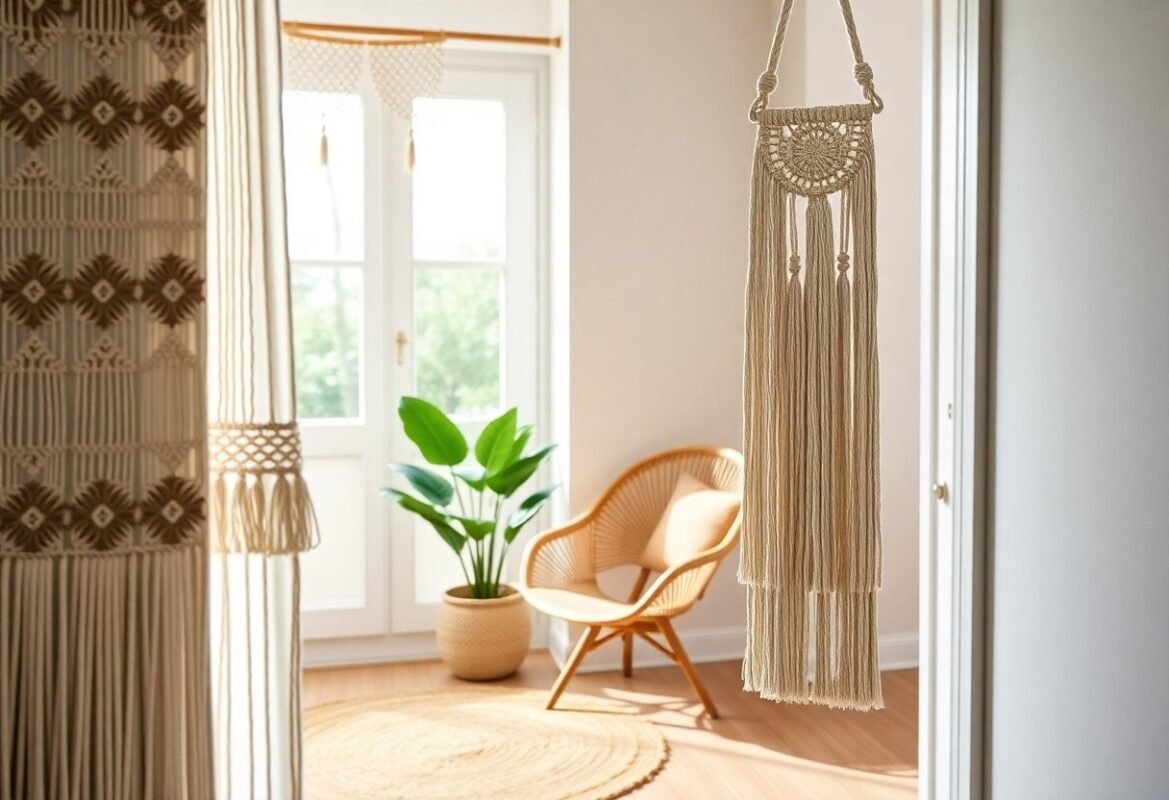
You can fit a boho macramé with fringe and layered rugs into a sunlit corner, or choose Scandinavian minimalism with tight square knots and neutral cushions. For small apartments go with a 24″ seat; a 36″ chair suits shared lounging. Pair warm wood furniture for mid-century vibes or black hardware and monochrome cord for contemporary contrast.
You’ll want to match pattern density and ring size to intended use: choose a 10-12″ support ring for bucket-style seats and 6-8″ for lightweight loungers. Square knots and half-hitch rows provide firm seating; open diamond patterns add airflow but need reinforcement under heavy use. If you expect regular two-person use, select cord diameter ≥8 mm and hardware rated ≥400 lb to maintain safety and longevity.
Frequently Asked Questions
Find quick answers on load limits, installation, and upkeep; for a step-by-step build you can follow this DIY Hanging Macramé Chair, then verify your joist capacity and hardware ratings. You should choose anchors rated at least twice the maximum user weight (for a 300 lb user pick ≥600 lb rated hardware), perform a static load test, and inspect knots and cord monthly for wear.
Common Concerns
People often worry about fraying, sway, or ceiling damage; you should expect new cotton cord to settle 2-5% and check for frays after the first week. Use 8-12 mm rope for adult chairs, avoid anchoring to drywall-fasten into a solid joist with a 3/8″-1/2″ stainless eye bolt or beam mount, and replace any cord with visible wear or >10% permanent stretch.
Best Practices
Use stainless or galvanized hardware, carabiners rated ≥1,000 lb, and knot methods like double half-hitches or an overhand stopper; you should center anchors on joists, pre-drill pilot holes at 70-80% of bolt diameter in 2x lumber, and maintain a safety factor of 2-3 when selecting anchors and fittings.
For example, if you and another person weigh 300-350 lb combined, choose hardware rated 700-1,000 lb and install a 3/8″ or M10 eye bolt with at least 2″ embedment into the joist; use a 5/16″ stainless carabiner, test with incremental loads (50%, 75%, 100%), and document inspections monthly-outdoor setups benefit from UV-treated cord or synthetic polypropylene and seasonal hardware checks.
Final Words
Taking this into account, when selecting macramé swing chair designs you should prioritize strong materials, proper knots, and rated hardware; test weight limits, anchor to structural supports, inspect for wear regularly, and follow manufacturer instructions to avoid failure. Balance style with safety by choosing dense weaves, UV-resistant fibers, and protective sleeves for ropes. If you have doubts, consult a professional rigger to ensure your swing is secure and comfortable for long-term use.
FAQ
Q: What materials and cord types are best for long-lasting macramé swing chairs?
A: Choose cord with strength, low stretch and appropriate weather resistance. Natural cotton is comfortable and popular for indoor chairs but absorbs moisture and rots outdoors; use it only inside or in covered areas. For outdoor or mixed-use, pick synthetic cords such as polyester, nylon or polypropylene with UV stabilizers – polyester offers good abrasion and UV resistance with moderate stretch; nylon is stronger but can absorb water; polypropylene is lightweight and water-resistant. Use braided or twisted cords rated 8-12 mm (5/16″-1/2″) for adult-bearing suspension; decorative thinner cords (3-6 mm) are fine for accents but never for primary load-bearing members. Where possible use cord with a published minimum breaking strength (MBS) and choose cords whose combined MBS comfortably exceeds the intended load with an appropriate safety margin.
Q: Which knots and construction techniques provide the strongest, safest support?
A: Anchor main suspension lines with secure terminations: lark’s head for quick attachment to rings, eye splices for synthetic rope, or thimble-protected loops when using hardware. Use double half hitch and constrictor knots for tensioned joins, and square knots only for non-critical decorative joins (they can slip under load if used alone). Distribute load across multiple cords rather than a single strand; gather cords with a whipping or a metal clamp to prevent slippage. Incorporate a spreader bar or wooden seatplate to spread load across the chair and reduce point stress on knots. Finish exposed synthetic ends by back-splicing or heat-sealing to prevent unravelling.
Q: How do I calculate weight capacity and choose appropriate hardware?
A: Decide the maximum expected user weight (including dynamic forces from rocking/swinging) and multiply by a safety factor – common practice is 3-5× for recreational equipment; larger factors are used in commercial or public installations. Example: for a 120 kg (265 lb) load, select hardware with a working load limit (WLL) of at least 360-600 kg (800-1,320 lb). Use stainless steel (preferably grade 316 for outdoor use) hardware: rated eye bolts, heavy-duty carabiners or quick links, and load-rated swing hangers. Prefer through-bolting into structural timber or beam plates over screw-only anchors in joists; avoid using drywall anchors or non-rated fittings for primary suspension. Always check manufacturer WLL and MBS markings on hardware.
Q: What are safe installation steps for indoor ceilings and outdoor beams?
A: For indoor installs locate a structural joist or beam with a stud finder; mount in the center of a joist. Pre-drill a pilot hole sized per the eye-bolt manufacturer, insert a rated eye bolt or through-bolt with washer and nut, and attach a certified carabiner or quick link. For two-point hangers use a spreader bar or matched-angle hangers and ensure symmetric load distribution. For outdoor installations choose a structural beam, post or ledger fixed into rafters; if mounting to a pergola or tree, use beam clamps, dedicated hardware or tree-friendly straps rather than penetrating live trees. Maintain vertical load paths – avoid sharp angles and side-loads that increase stress on hardware. If unsure about structural capacity, consult a qualified installer or structural engineer.
Q: How often should I inspect and maintain a macramé swing chair, and what should trigger replacement?
A: Inspect before each regular use and perform a thorough check monthly if used frequently or outdoors. Look for frayed or broken fibers, thinning cords, stiff or rotten areas in natural fiber, UV bleaching on synthetics, rust or pitting on metal hardware, loosened knots, and stretched or deformed fittings. Replace any cord with visible broken strands or more than 20% cross-section loss; replace hardware showing corrosion, deformation or thread damage. Clean natural fibers gently with mild soap and air-dry; synthetic cords can be washed and sun-dried but prolonged UV exposure shortens life – store indoors during extended wet or freezing conditions.
Q: What design choices increase comfort and reduce operator strain?
A: Add a spreader bar or shaped wooden seat to keep the seat open and distribute weight evenly; use a curved back design or integrated lumbar support for longer sitting comfort. Set seat height so the sitter’s feet rest lightly on the ground – typically 40-50 cm (16-20 in) from the ground for adults, lower for children. Use cushions with quick-dry foam for outdoor use and removable, washable covers. Double up suspension cords or braid them to reduce bounce and provide more stable seating. Soften pressure points where cords contact the body with padding or wider webbing at the shoulder and hip contact areas.
Q: What child-safety and weather-safety practices should I follow?
A: Supervise children at all times, limit occupancy to the chair’s rated capacity, and prohibit standing, rough play or tying ropes around necks or limbs. Remove or secure long loose cords and avoid enclosed loops that can entrap. Provide a soft fall zone under the chair (rubber matting, mulch or a thick rug) and keep a clear radius of at least 60 cm (2 ft) from nearby walls or furniture; higher clearance is safer for vigorous swinging. For weather safety, use synthetic, UV-stable cords outdoors, bring the chair inside or cover it during storms and winter, and check hardware for corrosion after prolonged wet exposure. Store cushions dry to prevent mold growth.