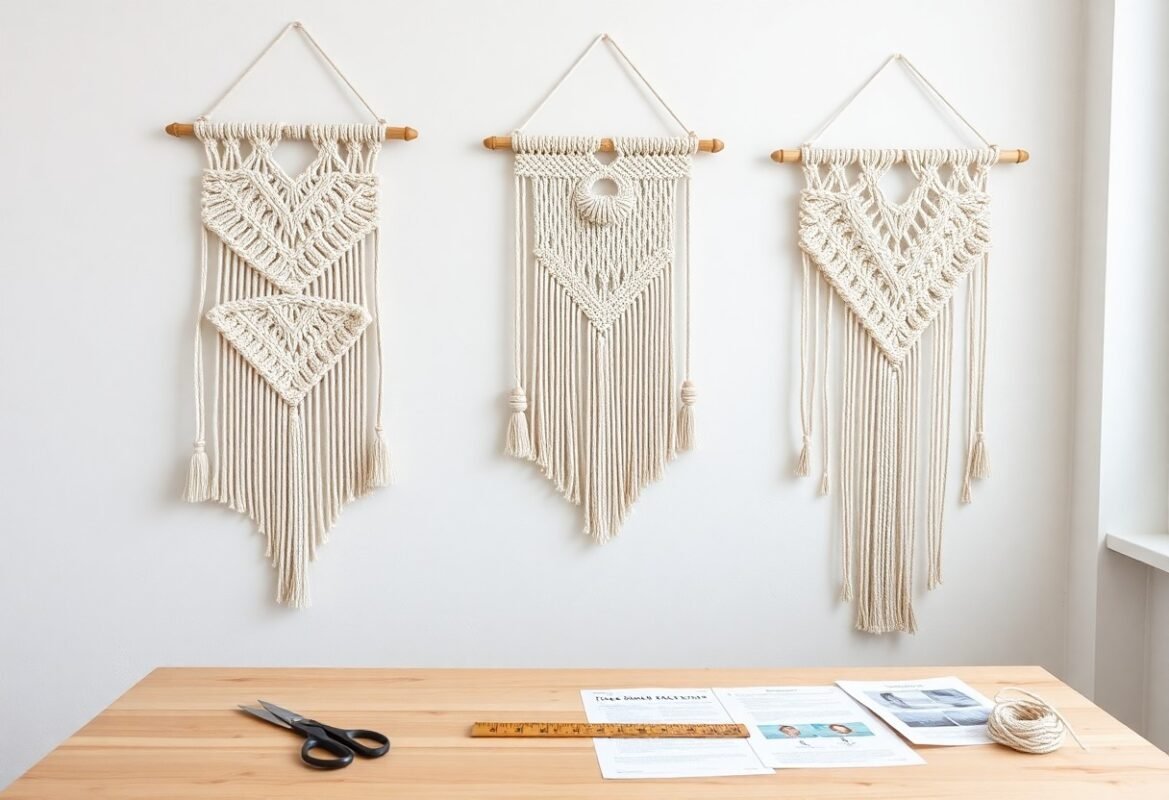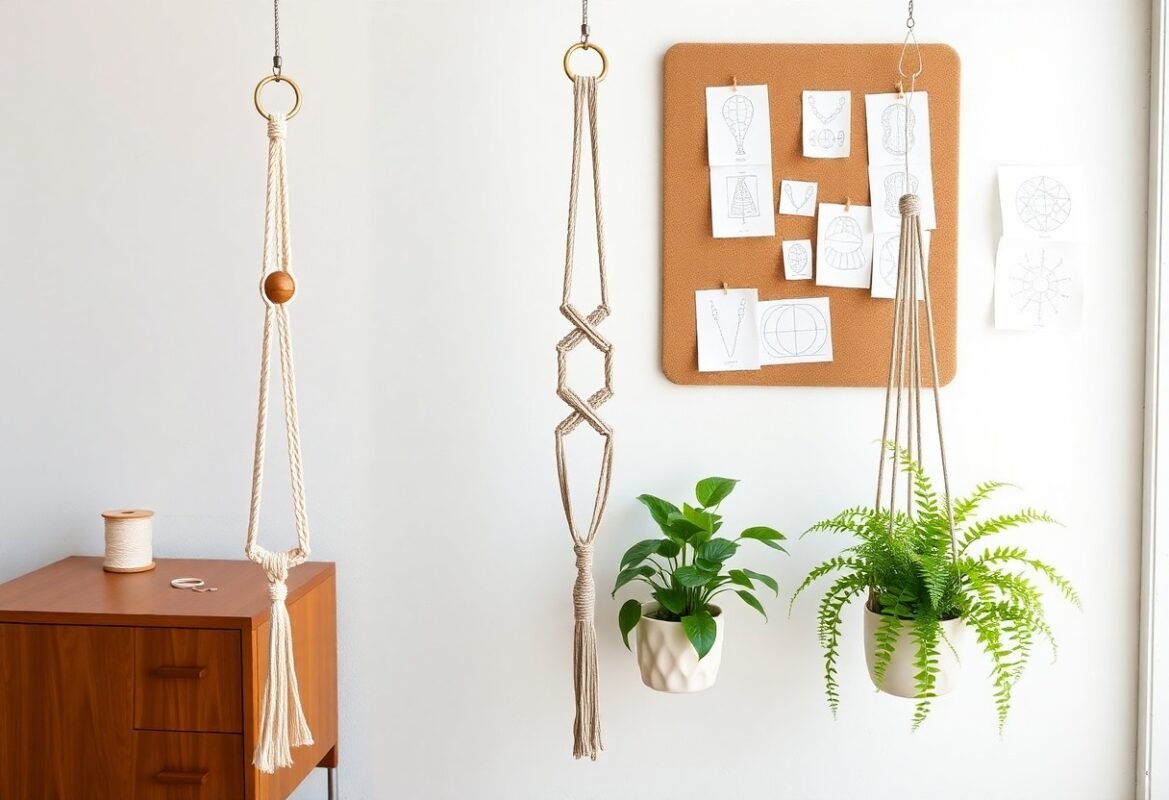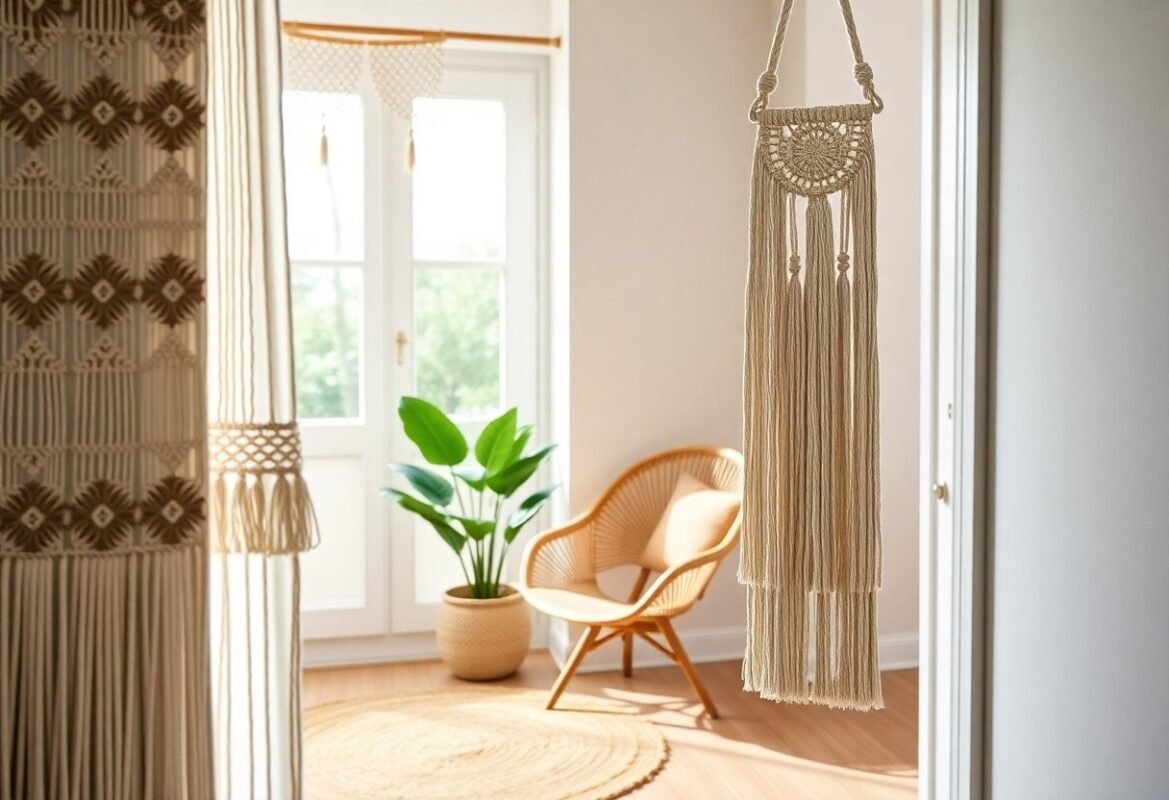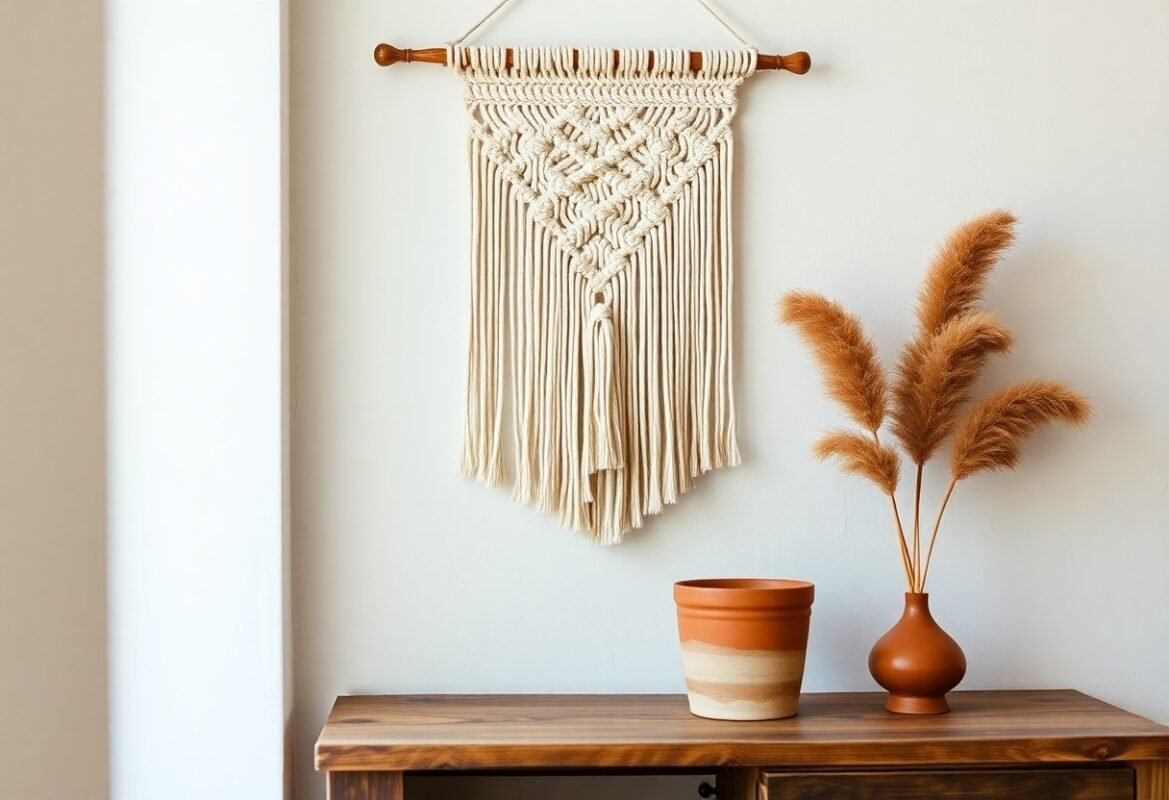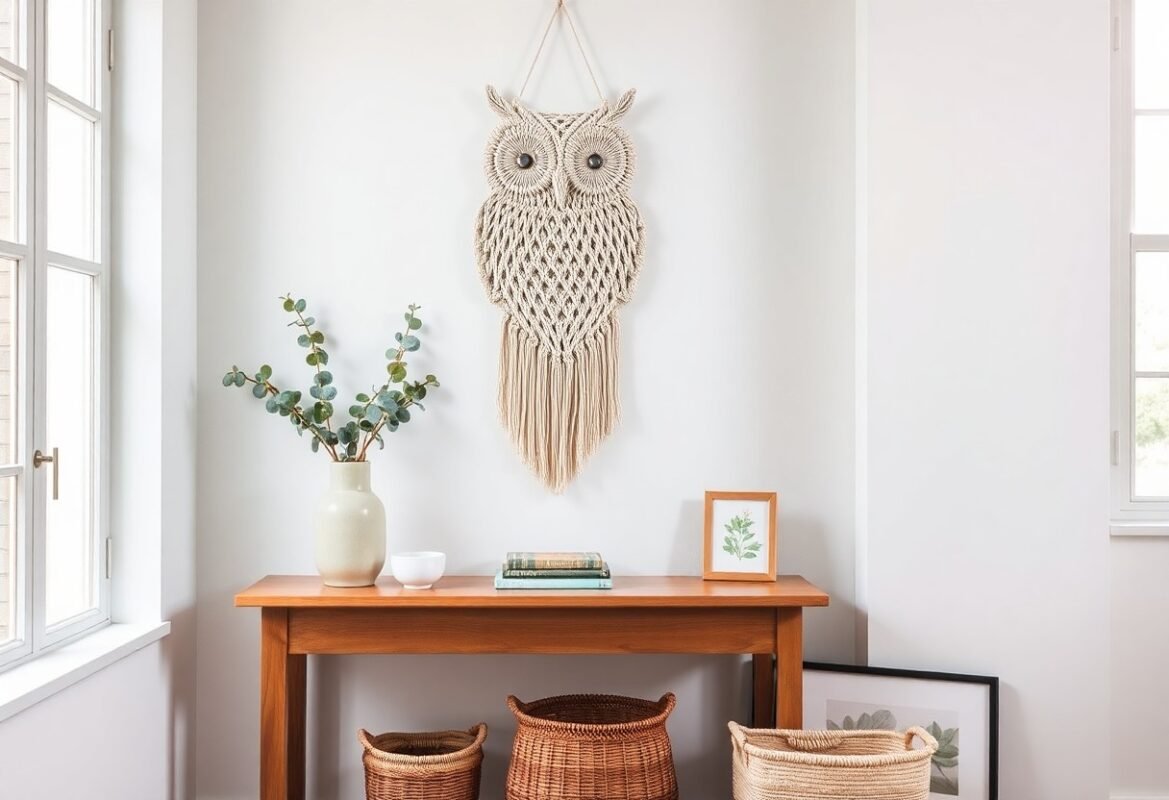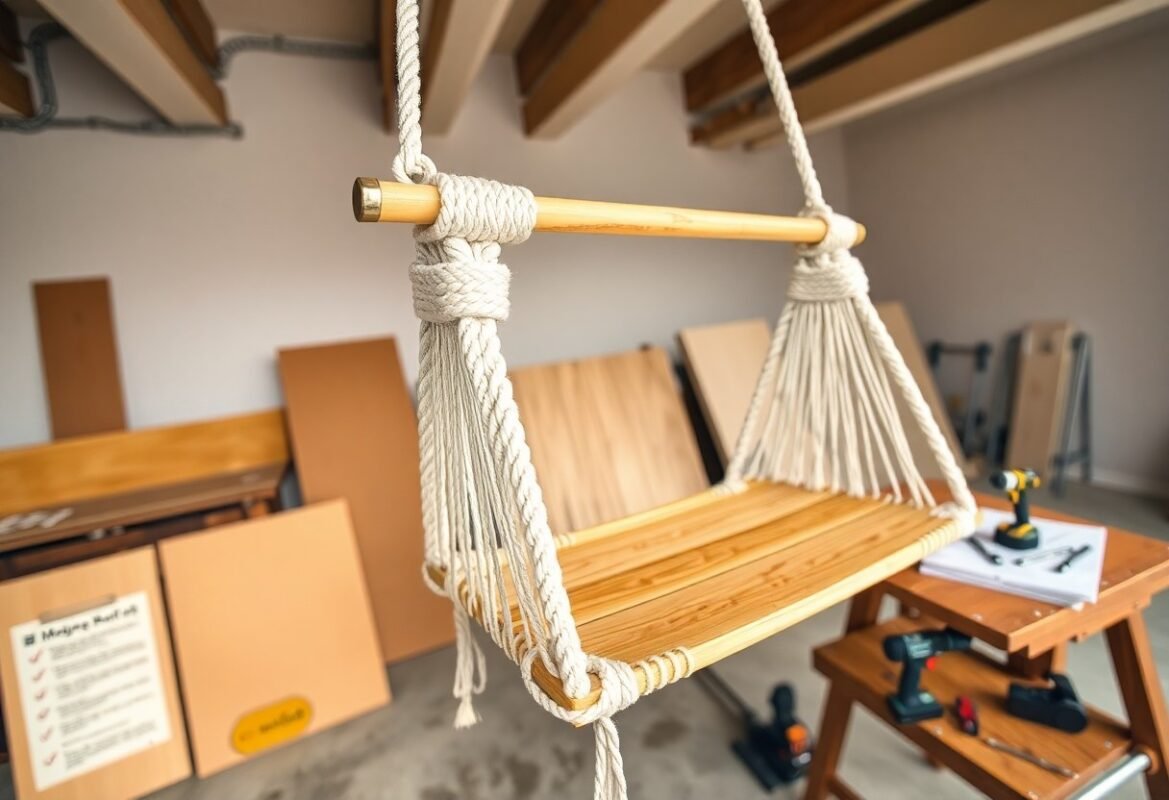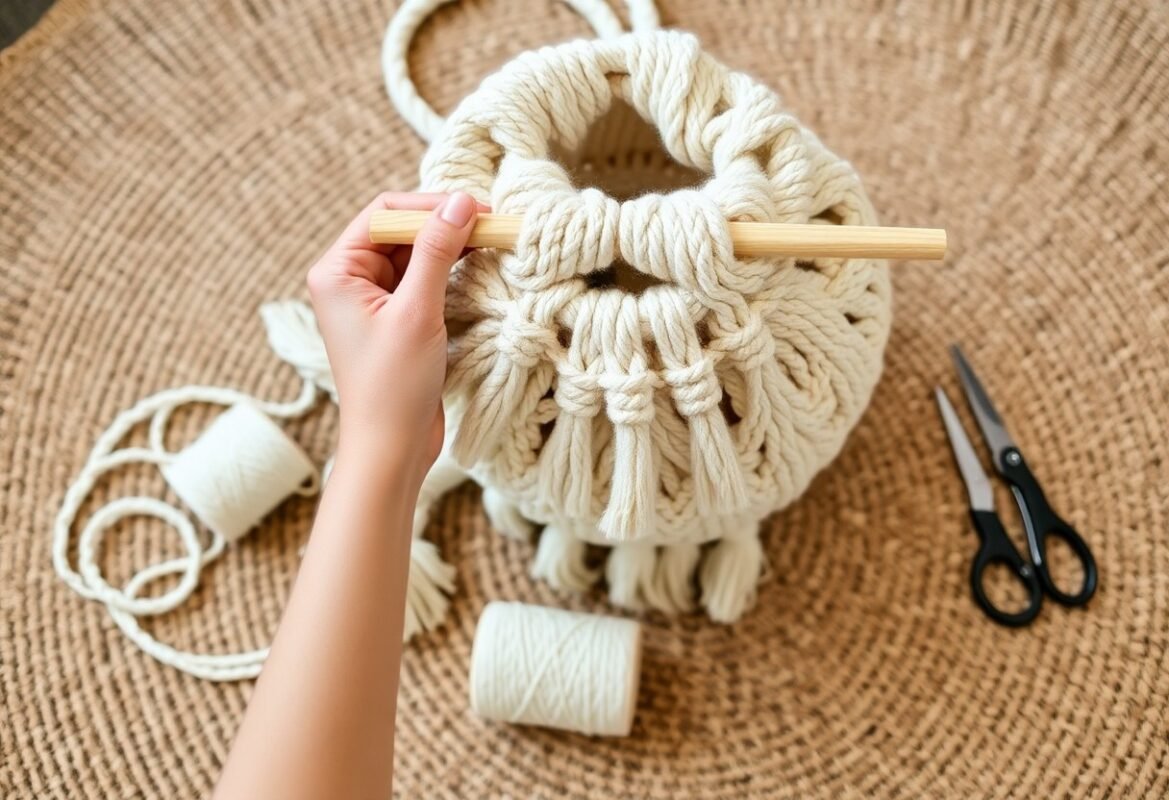


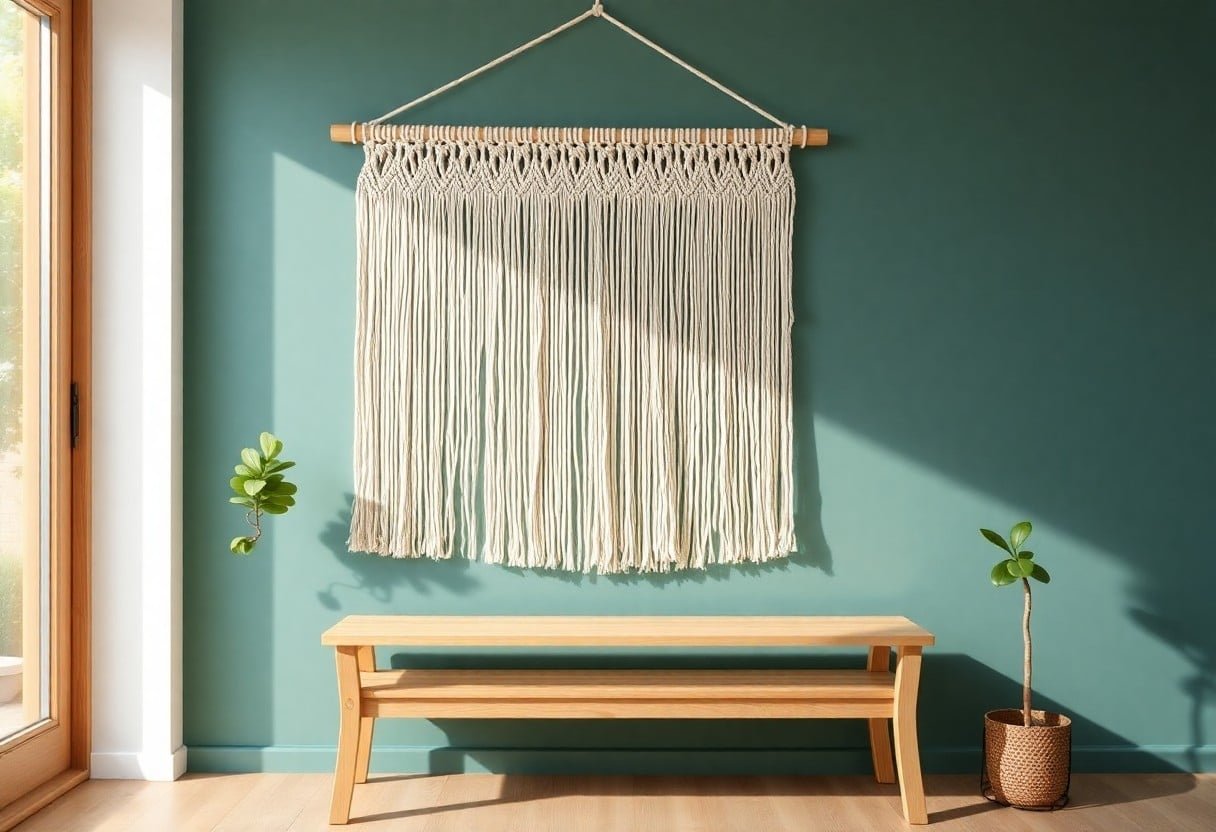
There is a powerful way to transform a room instantly. Large Macrame wall hangings can command attention while clearly reflecting your personal style. Whether you prefer bold geometric patterns, layered textures, or mixed materials, these pieces create scale and depth. As a result, they turn blank walls into intentional statement features.
Moreover, when you consider wall size, focal placement, and proportion, the result feels balanced. The Macrame complements furniture, lighting, and layout instead of competing with them. Therefore, the space feels curated rather than cluttered.
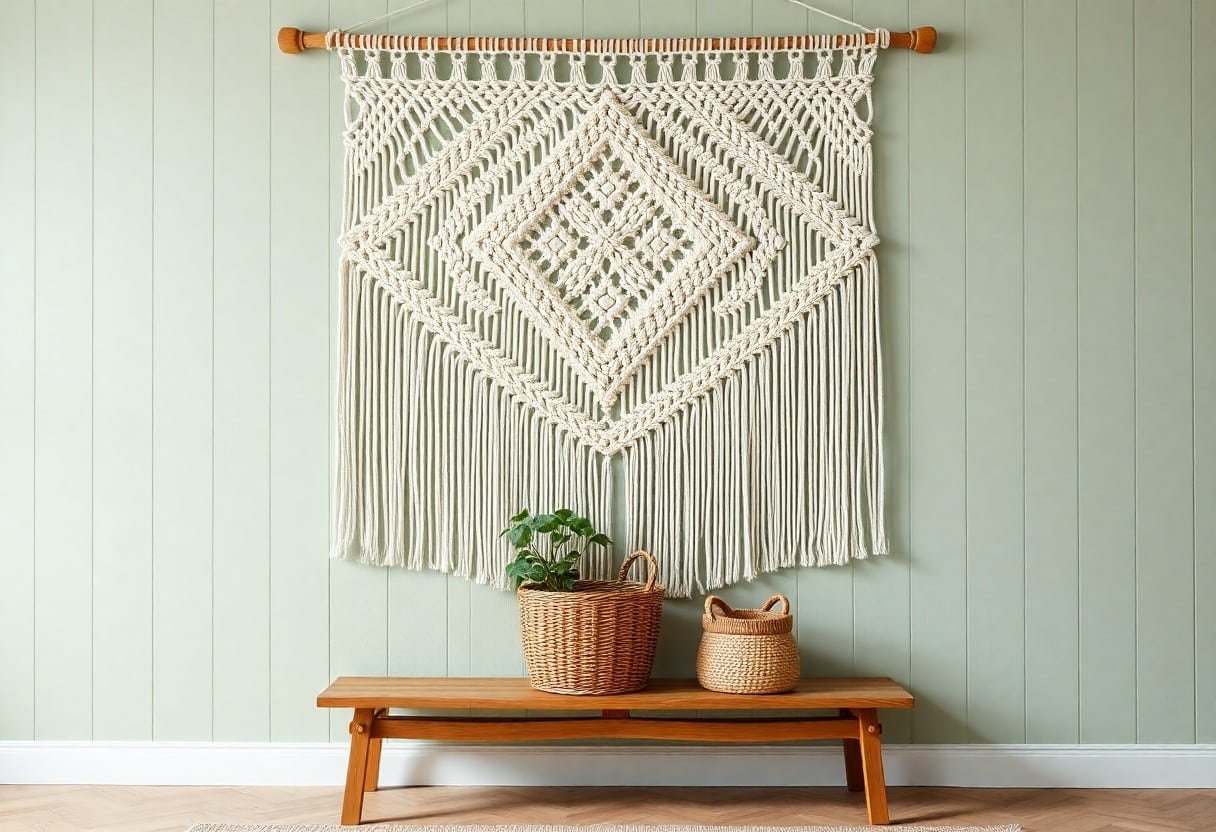
Key Takeaways:
- Scale matters: Choose a piece that fills the wall proportionally. It should be large enough to act as a focal point without overwhelming nearby furniture.
- Play with texture and knots: Combine different Macrame knots, fringe lengths, and accents like wooden beads or feathers for visual depth.
- Choose materials and color wisely: Natural cotton creates warmth, thicker rope adds structure, and dyed cords create bold statements.
- Mounting and placement: Hang high or go ceiling-to-floor for drama. Always use sturdy rods or cleats anchored securely for heavy pieces.
- Coordinate styling: Balance the wall hanging with lighting, plants, or minimal decor to maintain visual harmony.
Choosing the Right Macrame Material
Types of Cord
You’ll base your cord choice on diameter and construction: 3-5 mm for delicate lacework, 6-8 mm for bold panels, and 8-12 mm. It can be used for chunky, sculptural hangings, twisted single-ply reads rustic, braided or multi-ply hold crisp knots and heavy fringe better. Mercerized cotton adds sheen for refined pieces. You should match cord type to wall scale and knot density so your piece neither sags nor looks stiff.
- Cotton rope – soft hand, excellent for indoor, common 3-8 mm options.
- Hemp/jute – textured matte finish, great for rustic or boho statements.
- Polyester/nylon – colorfast and moisture-resistant for humid or sunlit spaces.
- After weighing feel, durability, and placement, pick the cord that balances drape and longevity.
| 3-5 mm twisted cotton | Best for intricate patterns, light fringe, delicate drape |
| 6-8 mm braided cotton | Ideal for medium-to-large hangings that need structure and visible knot definition |
| 8-12 mm chunky rope | Works for sculptural, tactile statement pieces and strong visual weight |
| Hemp/jute (4-8 mm) | Adds rustic texture and higher abrasion resistance for textured designs |
| Polyester/nylon blends (4-10 mm) | Chosen for outdoor-leaning projects, colorfastness, and mildew resistance |
Natural vs. Synthetic Fibers
You’ll find natural fibers like cotton, hemp, and jute. It give warm tactile appeal-cotton is soft and easy to dye. While hemp/jute add structure and texture-whereas synthetic fibers such as polyester and nylon offer superior UV and moisture resistance, making them suited for sunrooms or humid bathrooms. It match fiber choice to environment and the tactile experience you want to deliver.
When you need a practical test, knot a 10-15 cm swatch: a 6 mm braided cotton sample will show you soft drape and slight stretch. It is useful for indoor wall hangings. While a 6-8 mm polyester sample demonstrates minimal stretch and faster drying for humid areas. You can also opt for a 50/50 cotton-poly blend to retain softness with improved abrasion resistance. Many makers choose blends for pieces 1.5-2.5 m wide to balance hand and longevity.
Macrame Techniques for Statement Pieces
Essential Knots and Patterns
Large-scale Macrame relies on a few foundational knots. You will commonly use lark’s head, square knots, spiral half knots, and double half hitches. For a 4-foot wide hanging, plan on using 200–250 feet of 4–8 mm cord. Repeat patterns every 3–5 cm to maintain rhythm and consistency.
Additionally, alternate square-knot ladders with mesh sections. This creates focal panels measuring 12–18 inches and adds visual contrast. Mixing 3 mm fringe cords with thicker structural cords further increases depth.
Advanced Techniques for Unique Designs
For more dramatic results, advanced techniques add dimension and complexity.
You can layer panels, incorporate woven inserts, or build internal wire armatures for sculptural forms. For example, 18–22 gauge floral wire works well for arches and three-dimensional ribs.
Moreover, integrating leather strips, metal rings, or beads creates striking contrast. Complex mixed-media pieces often take 12–20 hours to complete, but the result feels gallery-worthy.
Popular advanced methods include:
- Layered panels for depth and silhouette
- Wire armatures for three-dimensional shaping
- Woven inserts for dense texture
- Beads and metal rings as focal accents
- Ombre dye batching for color flow
Technique Details
| Technique | Details |
|---|---|
| Layered panels | Stagger three panels (each 2-3 in overlap) to create depth; use 6-8 mm cords for base, 3 mm for fringe. |
| Wire armature | Use 18-22 gauge floral wire, reinforce with wrapped cord; secure to dowel with heavy-duty twine. |
| Woven inserts | Weave cotton tape or yarn on a mini loom into 8-12 in blocks, then attach with hidden lark’s head rows. |
| Beading | Pre-thread beads on 2-3 mm cords; space beads 1-3 cm apart for rhythmic accents. |
When you plan a sculptural piece, pre-cut cords at 4-6 times the finished drop-for a 5 ft finished length. You need to cut 20-30 ft cords-then clamp the work to a bench. After that pin the armature before knotting. Use pliers and tape to shape wire ribs. Choose upholstery-grade cotton or rope for load-bearing sections. Expect 10-18 hours for a layered, beaded 5 ft composition depending on knot density.
- Prepare armature and secure to dowel
- Pre-cut cords using 4-6× finished length rule
- Lay out pattern grid and mark repeats every 3-5 cm
- Assemble panels, attach woven inserts, then add beads and fringe
- Finish with weighted hem or wooden dowel balancing
Materials & Specifications
| Material | Specification / Use |
|---|---|
| Cotton cord | 3-8 mm; 3 mm for fringe, 6-8 mm for structure |
| Floral wire | 18-22 gauge for armatures and small arches |
| Wooden dowel | Length = finished width + 6 in; anchors layers and armature |
| Beads & rings | Metal rings 2-4 in, beads with 2-3 mm holes for threading |
Inspiration from Styles and Themes
Bohemian Aesthetics
You can layer 3-5 foot macrame panels using by 4-6 mm cotton cord. Mixing square knots, spiral knots and lark’s head attachments to build rich texture. After that combine driftwood or a 1-2 inch birch dowel with wooden beads. Next is to add natural feathers for organic movement. Try earthy dyes-ochre, terracotta, deep green and cluster macrame with hanging plants.. You can also use woven tapestry to create the eclectic, collected feel that defines boho statement walls.
Minimalistic Designs
For minimalist impact, you may aim for clean geometry and negative space. Choose a single-color panel in off-white, charcoal or clay that covers about 40-60% of the wall width (so a 10 ft wall gets a 4-6 ft piece). Use 3-5 mm cord, a slim metal rod or 1-inch wooden dowel. After that do the limit knots to double half hitch. You may also add aligned square knots for crisp, linear silhouettes that read like wall sculpture.
When refining minimal pieces, focus on proportion and finish-use asymmetry. You can also add a centered vertical panel to alter perceived ceiling height, and keep fringe lengths consistent (8-12 inches) for restraint. In a client install, a 5 ft monochrome panel over a 7 ft sofa reduced visual clutter while increasing perceived room height. You should also consider matte dyes to prevent glare and mount with hidden brackets for a seamless presentation.
Size and Scale Considerations
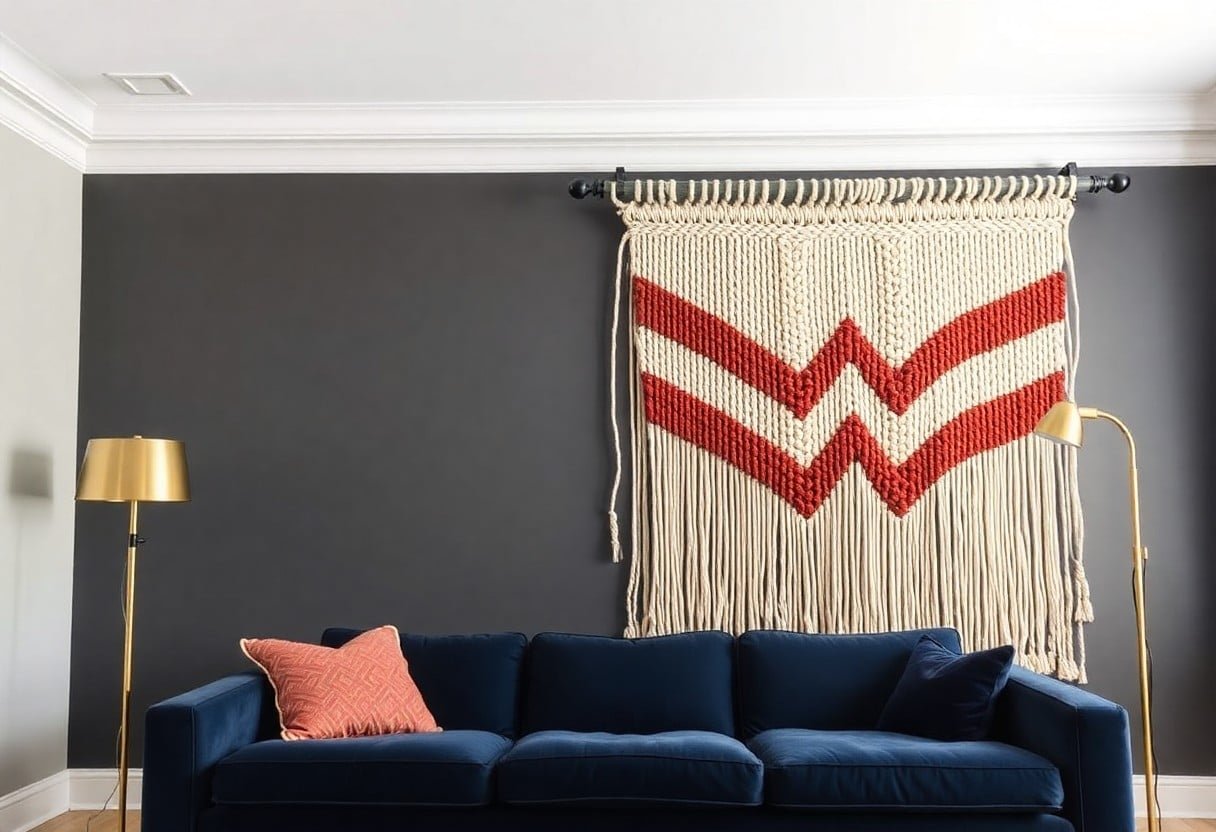
Scale matters: aim for a macrame that fills roughly 60-75% of the furniture width beneath it-so a 6½ ft (78″) sofa pairs well with a 4-5 ft (48-60″) piece. Height often reads best at 2-4 ft in living rooms, or 5-6 ft for floor-to-ceiling drama; mount pieces 6-12 inches above furniture and center them visually 30-36 inches above consoles. For inspiration and specific designs, see 12 Awesome Macrame Wall Hangings for Your Unique …
Measuring Your Wall Space
Measure total wall width and usable height, marking center and vertical sightlines with painter’s tape; subtract 3-6 inches for baseboards or crown molding. You should leave 4-8 inches of negative space around a large hanging and match proportions to furniture-choose a piece about 60-75% of a sofa’s width or roughly two-thirds of a headboard for balanced impact.
Balancing Macrame with Other Decor
Anchor an oversized 4-6 ft macrame by flanking it with matching sconces or slim shelves, or create intentional asymmetry with a 5-7 ft plant on one side and a column of framed photos on the other; alternatively, group three 18-30 inch pieces spaced 6-12 inches apart for a cohesive cluster that reads larger than the sum of its parts.
Pay attention to texture, color, and material contrasts: pair a bulky cotton weave with metal or wood accents, and use smaller textiles (pillows, a 5×8 jute rug) to echo scale. For example, over an 84‑inch sofa a 48-60 inch woven piece in warm neutrals plus black metal lamps and a low-profile console will harmonize scale while keeping the room layered and intentional.
DIY Large Macrame Wall Hanging Projects
For hands-on projects you can scale patterns to fit a feature wall; try combining long fringe, driftwood dowels, and varying cord thicknesses to reach dramatic 48-72-inch widths. Explore peer examples like Macrame wall decor ideas for large blank spaces for layout inspiration and sizing tips you can adapt to your room.
Step-by-Step Guides
Work in phases: plan dimensions, choose cord and dowel, master core knots, assemble panels, and finish with trimming and mounting; a 60″ piece typically takes 6-12 hours depending on knot density. You should test a small sample to confirm tension and drape before committing to full scale.
| Phase | What to do |
|---|---|
| Planning | Measure wall, sketch layout, select 3-6mm cord, estimate 48-120 yards for 60″ width |
| Prep & Knots | Cut bundles, practice square knot, lark’s head, half-hitch; allocate 2-4 hours |
| Assembly | Create panels, seam with overhand joins, work symmetry or intentional offset |
| Finishing & Install | Trim fringe, apply light starch if needed, mount with proper anchors rated ≥50 lb |
Customization Tips
You can adjust texture, color, and length to echo your room’s scale; swapping 3mm cotton for 6mm gives a bolder appearance, and adding beads or subtle dye gradients makes a neutral palette pop. Test a 12″ swatch to confirm drape and colorfastness before scaling up.
- Vary fringe length in 6-12″ increments for layered depth.
- Combine 2-3 neutral tones for a modern, sculptural look.
- Assume that adding heavier cords will pull the piece flatter against the wall.
When you personalize, consider sightlines: place longer elements toward the center for symmetry or offset to balance furniture. Use pigments or natural dyes-indigo or walnut-on scraps to verify wash and lightfastness; note that darker dyes may require mordanting for permanence.
- Use asymmetric layouts to complement off-center sofas or mantels.
- Incorporate metal rings or wooden beads rated for weight to avoid sagging.
- Assume that the wall surface (plaster vs drywall) affects anchor selection and load capacity.
Caring for Your Macrame Wall Hangings
Keep your large macramé looking fresh by dusting weekly and rotating pieces every 6 months; a 4-6 ft hanging benefits from a gentle shake outside or vacuum on low with a brush attachment. Spot-clean spills within 24 hours using cold water and mild soap, and hand-wash only when fibers permit-machine wash on gentle at ≤30°C for synthetic cords. Air-dry flat away from direct sun to avoid fading. For styling tips and care-ready designs see Transform Empty Walls with These Macrame Wall Hanging Styles.
Cleaning and Maintenance
Dust weekly with a soft brush or vacuum on low, and use a lint roller for tassels; tackle embedded dirt with a soft toothbrush around knots. Test any cleaner on an inconspicuous spot first, then spot-clean with cold water and mild soap within 24 hours of stains. Steam lightly to relax fibers and reshape fringe, but avoid direct heat on naturally dyed cords. Keep indoor humidity around 40-60% to reduce mildew risk and rotate hangings to equalize sun exposure and wear.
Repairing Damaged Pieces
Fix small issues quickly: re-tie slipped knots in the original pattern, trim and seal frayed ends with fabric glue, or splice in replacement cord measured about 20% longer than the section you remove. Use a crochet hook to pull new cord through existing rows, hide joins with decorative wraps or beads, and secure final knots with a drop of clear craft glue to prevent slipping.
For a typical repair on a 5‑ft hanging, undo knots above the damaged zone, thread new cord at roughly 6 ft to allow for patterning and finishing, and recreate the same knot sequence (square knot, half hitch, etc.). Whip or wrap joins tightly for strength, then weave excess ends back into fringe with a latch hook or needle. Match fiber type-cotton to cotton, jute to jute-to avoid differing shrinkage and sheen; for synthetic cords you can slightly melt cut ends with a lighter to seal them, using caution to avoid discoloration. Keep tools on hand: sharp scissors, crochet hook, blunt needle, craft glue and mild soap for post-repair cleaning.
Final Words
Following this, you can confidently choose large macrame wall hangings that reflect your style, balance room proportions, and anchor a statement wall. Prioritize texture, scale, and placement to create a focal point that complements furniture and lighting. Mix neutral fibers with bold shapes or layered pieces for depth, and select hanging hardware that ensures stability and visual harmony. With purposeful selection and installation, your wall becomes an intentional backdrop that elevates the entire space.
FAQ
Q: What size should a large macrame wall hanging be for a statement wall?
A: For a true statement, aim for a piece that fills roughly 60-80% of the available wall width above furniture or the full height between ceiling and furniture when placed alone. Common large dimensions are 36-60 inches wide and 48-84 inches long; taller pieces emphasize verticality in rooms with high ceilings while wider pieces anchor lower ceilings or long sofas. Scale the macrame to surrounding elements: leave breathing space around light fixtures and art, and measure furniture to ensure the hanging neither overwhelms nor looks undersized.
Q: Which cord and fiber types work best for large macrame pieces?
A: Natural cotton rope (3-10 mm) is the most versatile for large hangings because it knots cleanly and drapes well. For texture, combine materials: jute or hemp add rustic stiffness and earth tones, wool or chunky yarn introduce softness and volume, and synthetic blends offer colorfastness and durability. Choose cord thickness and stiffness to match the design-thicker cords for bold geometric patterns and fringes, thinner cords for delicate lace-like work. Prewashed, low-stretch fibers make installation and long-term shape retention easier.
Q: What design styles and knot patterns create a striking statement wall piece?
A: Large-scale geometric patterns (diamonds, chevrons, concentric arches), layered fringes, asymmetrical compositions, and negative-space designs read well from a distance. Use foundational knots-lark’s head for suspenders, square knots and alternating square knots for body, double half hitch for lines and curves, and gathering knots for tassel clusters. Mix directions, textures, and fringe lengths to add depth; incorporate wooden beads, metal rings, or driftwood for contrast. For dramatic effect, combine a central bold motif with cascading fringe or a second smaller panel for layered impact.
Q: How should I hang and anchor a heavy or oversized macrame piece safely?
A: Use strong support hardware: a wall-mounted cleat (French cleat) or heavy-duty keyhole brackets anchored into studs provide the most secure solution. If studs are unavailable, use toggle bolts or heavy-duty wall anchors rated for the hanging’s weight. Distribute weight across multiple anchor points on wide pieces by attaching loops or a wooden support rod to several screws. For very long pieces consider supporting the top on a wooden dowel or rod with multiple hanging points to prevent sagging. Always test the mounted piece gently before leaving it unattended.
Q: How can I choose colors and textures so the macrame complements my room without clashing?
A: Pull colors from the room’s palette-use a dominant neutral base (ivory, cream, taupe) to harmonize with varied decor, then add accent cords that echo pillows, rugs, or accessories. Contrast texture rather than color for subtlety: pair smooth cotton with rough jute or chunky wool. For bold statements, introduce a single saturated hue or dip-dyed ombré that complements existing accent colors. Consider lighting: natural light softens neutrals, while artificial light can intensify dyed fibers-test swatches in the intended spot before committing.
Q: Should I buy a ready-made large macrame or commission a custom piece, and what are typical costs and timelines?
A: Buy ready-made if you need something immediate and budget-friendly; many retailers offer large pieces in set sizes and standard designs. Commission a custom piece if you need exact dimensions, unique materials, or a one-of-a-kind design-this gives control over scale, color, and hardware but costs more. Price ranges vary widely: ready-made large hangings often run $150-600; custom artisanal pieces commonly start at $400 and can exceed $2,000 depending on size, materials, and artist reputation. Timelines for custom work are typically 2-12 weeks depending on complexity and the maker’s schedule.
Q: What are the best care and maintenance practices to keep a large macrame looking its best?
A: Regularly dust with a soft brush or vacuum on low with a brush attachment to prevent dirt buildup. For spot cleaning, gently blot stains with mild soap and cool water; avoid aggressive rubbing that distorts fibers. Small pieces can be hand-washed and reshaped while damp, but very large hangings are often safer to spot-clean or take to a professional cleaner experienced with delicate fibers. Keep macrame away from direct sunlight to limit fading and avoid high-humidity areas to prevent mold or mildew; if fibers become misshapen after cleaning, use steam and gentle stretching to restore the original drape.