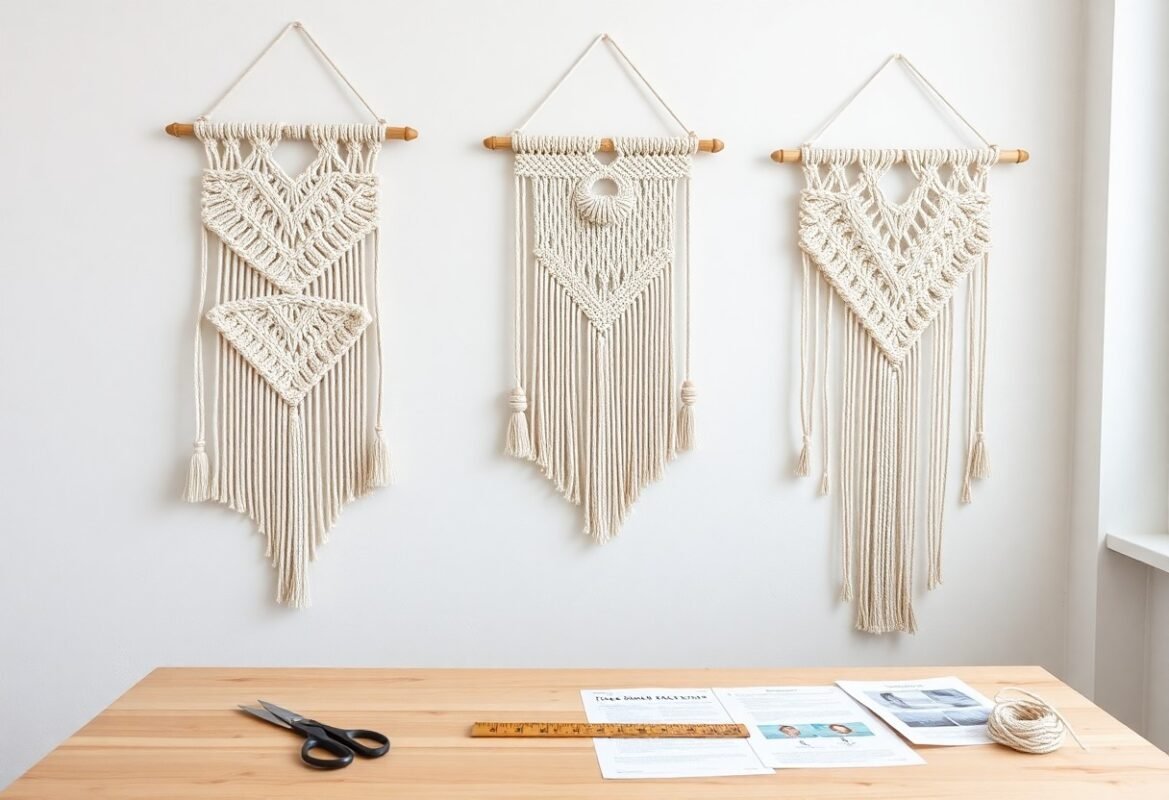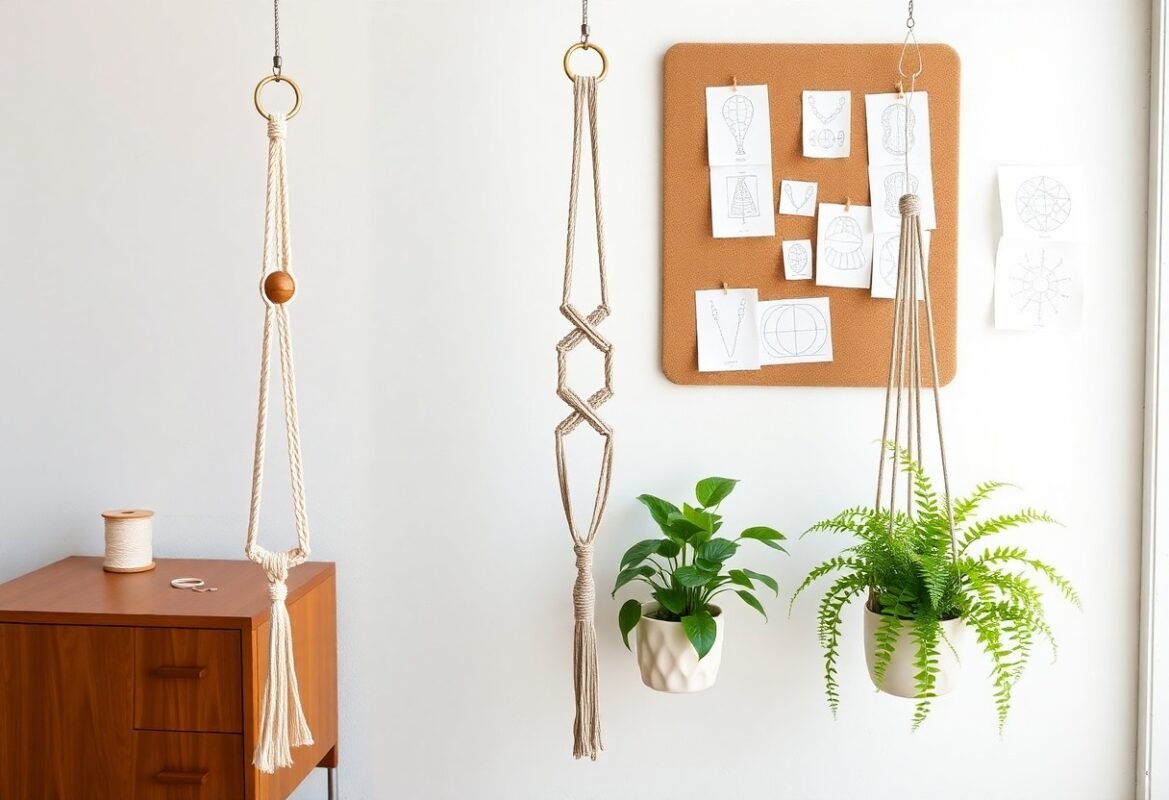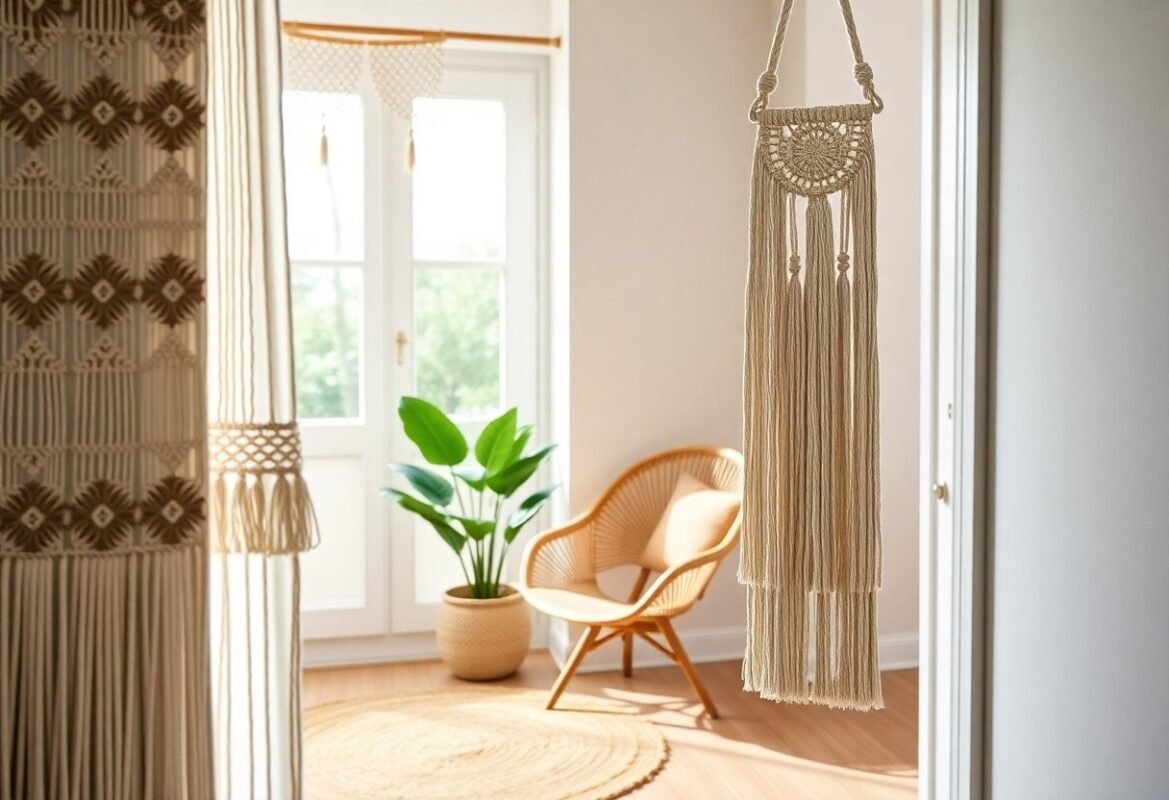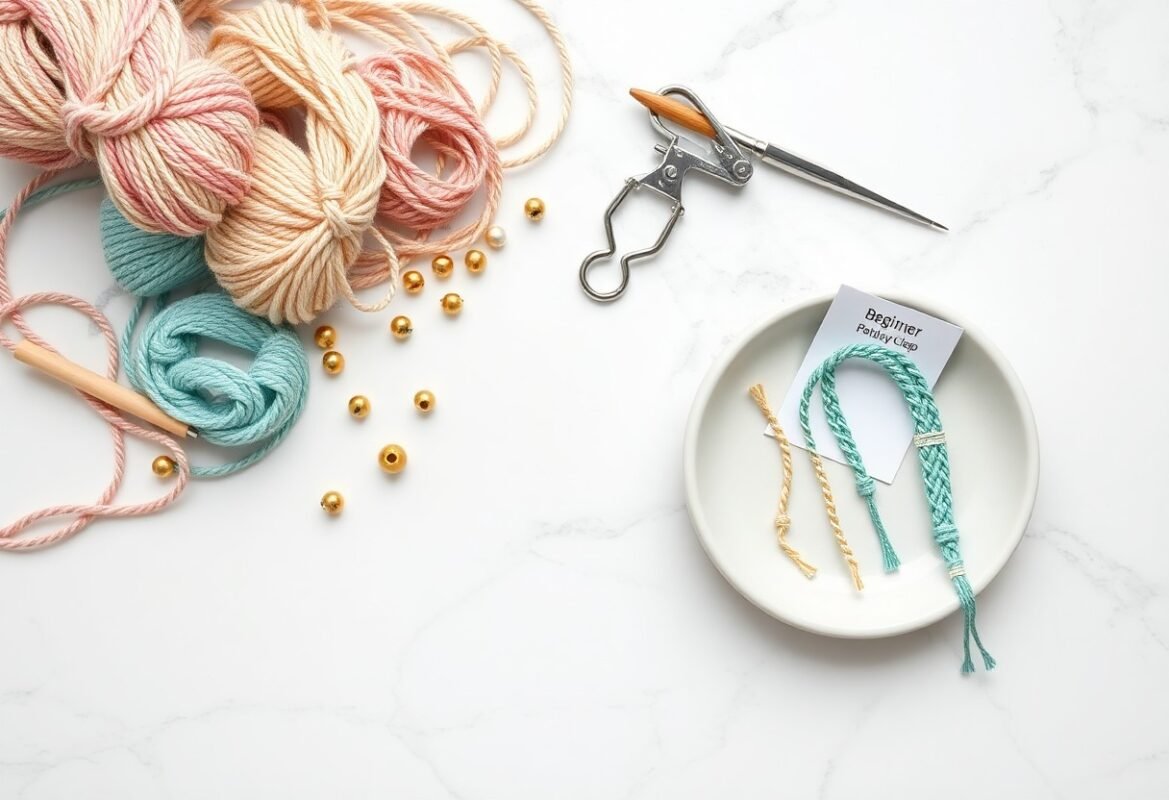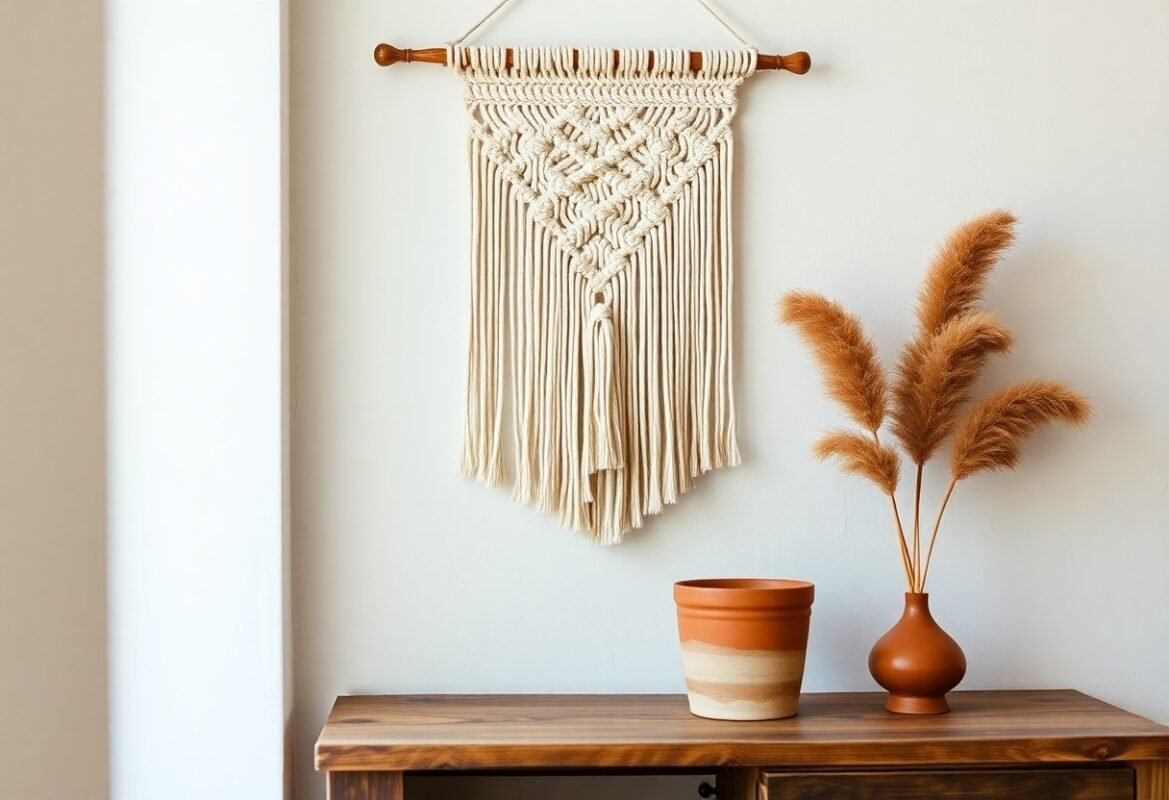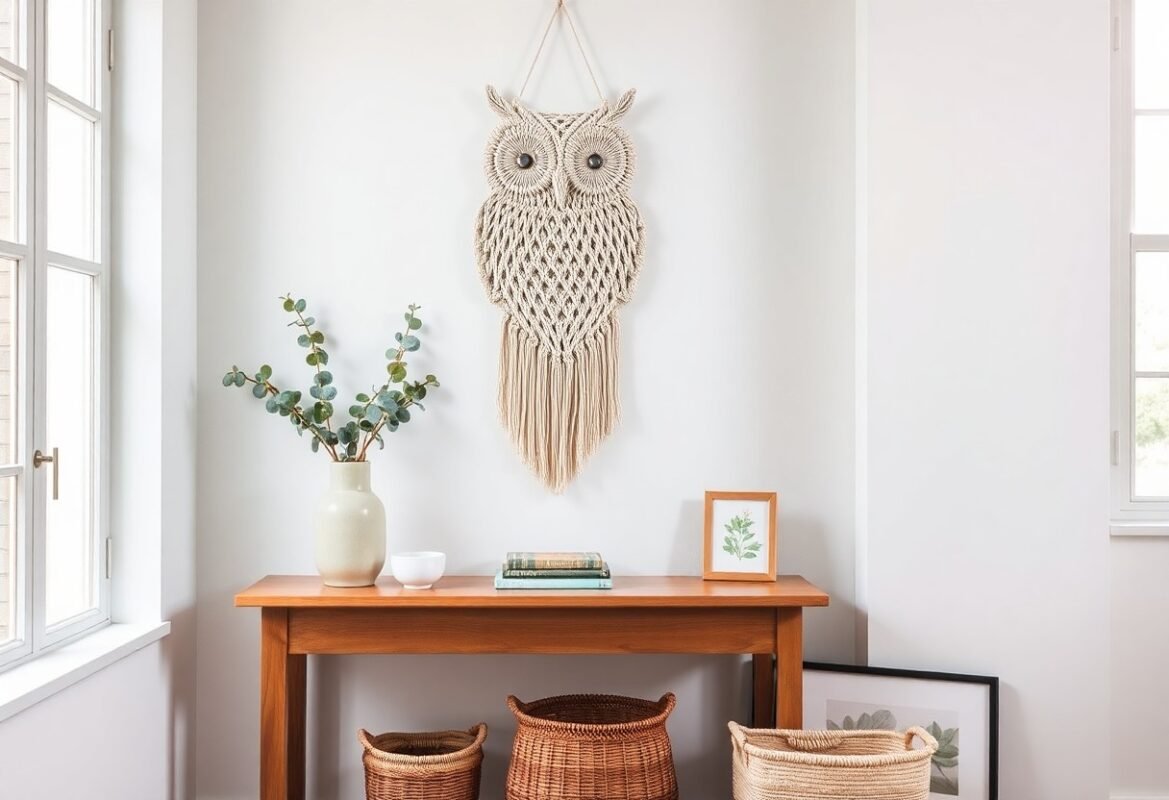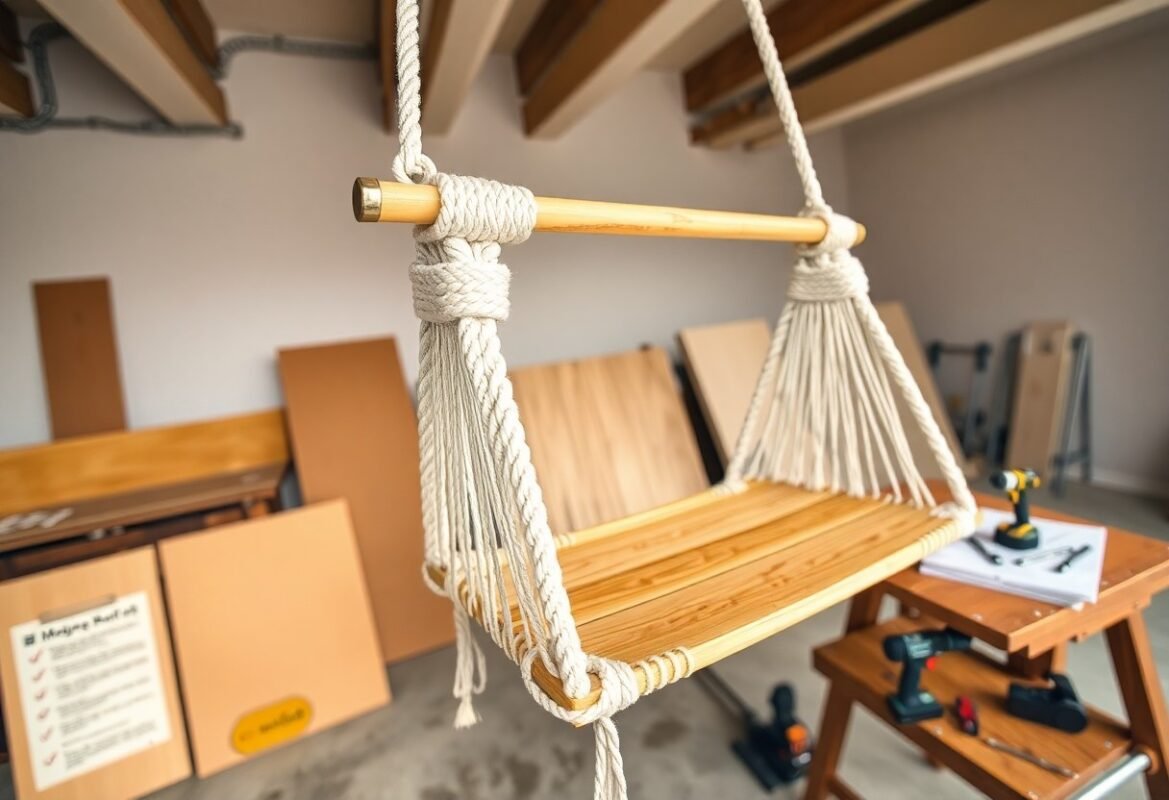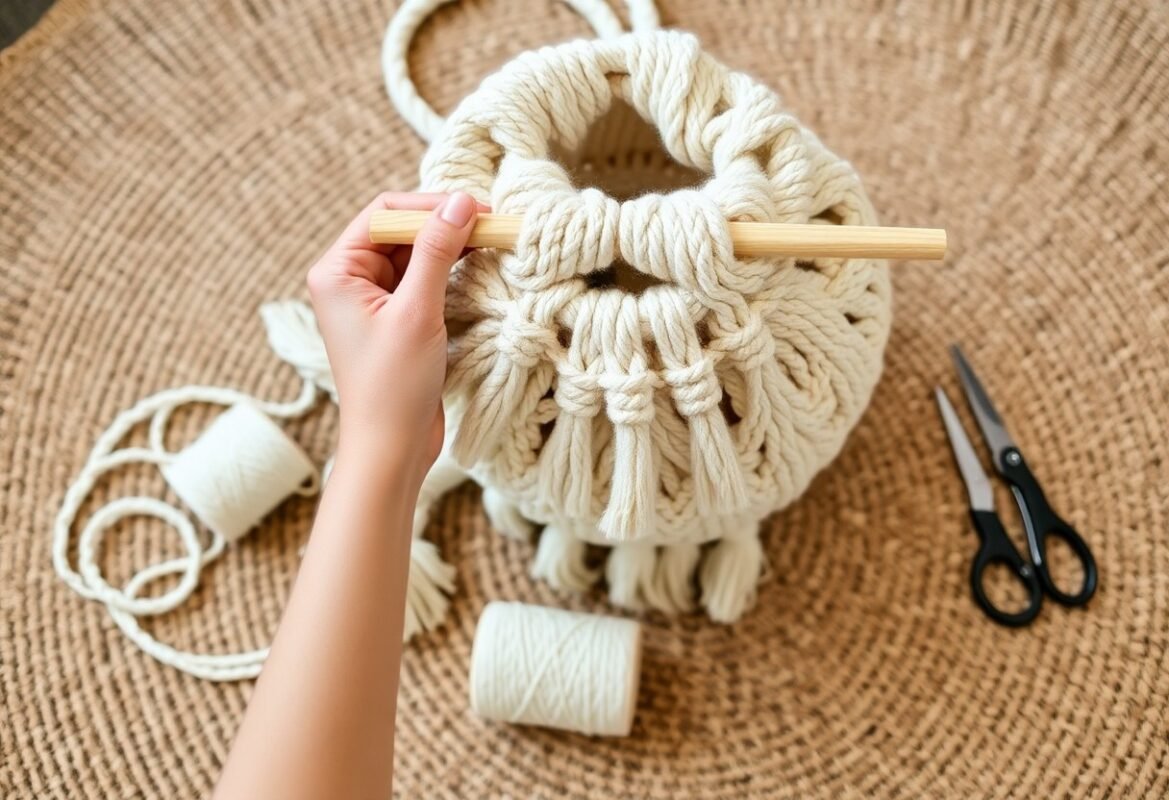


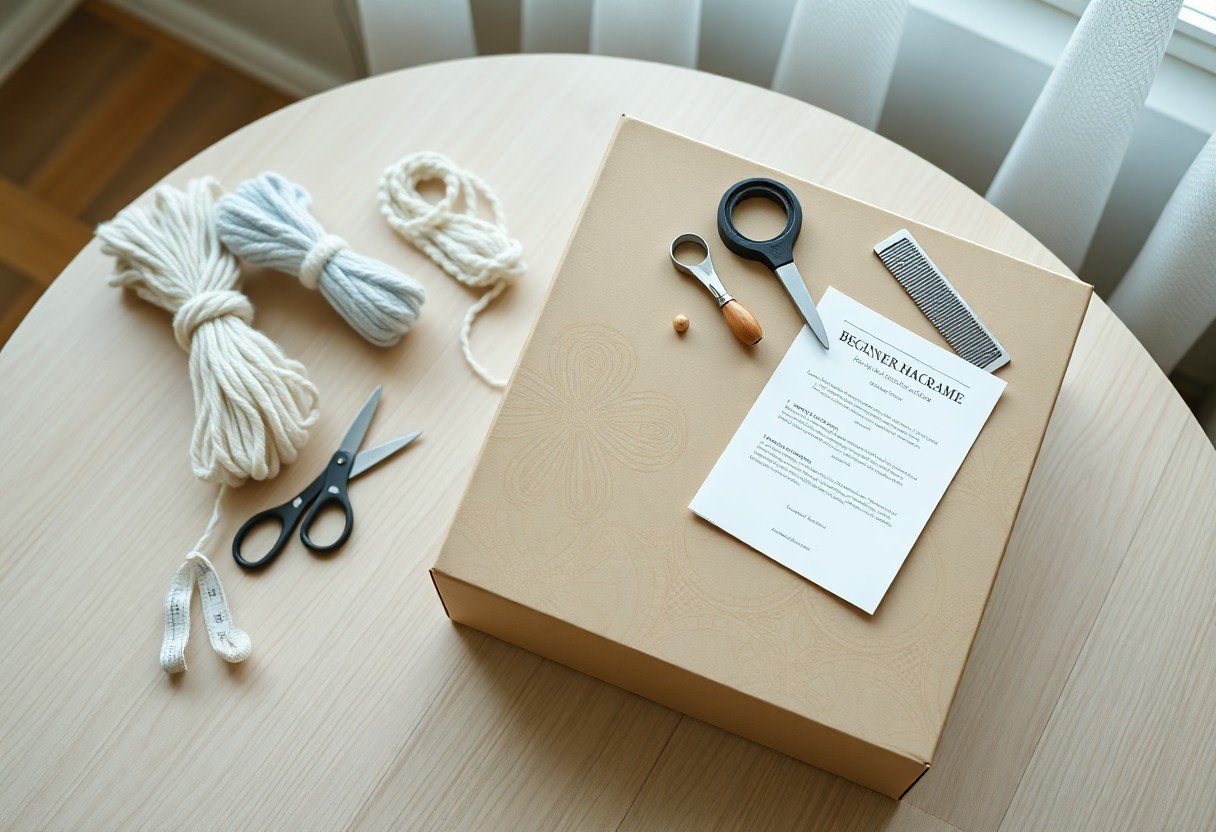
There’s no better way to start macrame than with a thoughtfully curated kit; this buyer’s guide shows you how to evaluate materials, cord thickness, included tools, pattern complexity, and support resources so you pick a kit that builds skills quickly, delivers clear instructions, and fits your aesthetic and budget.
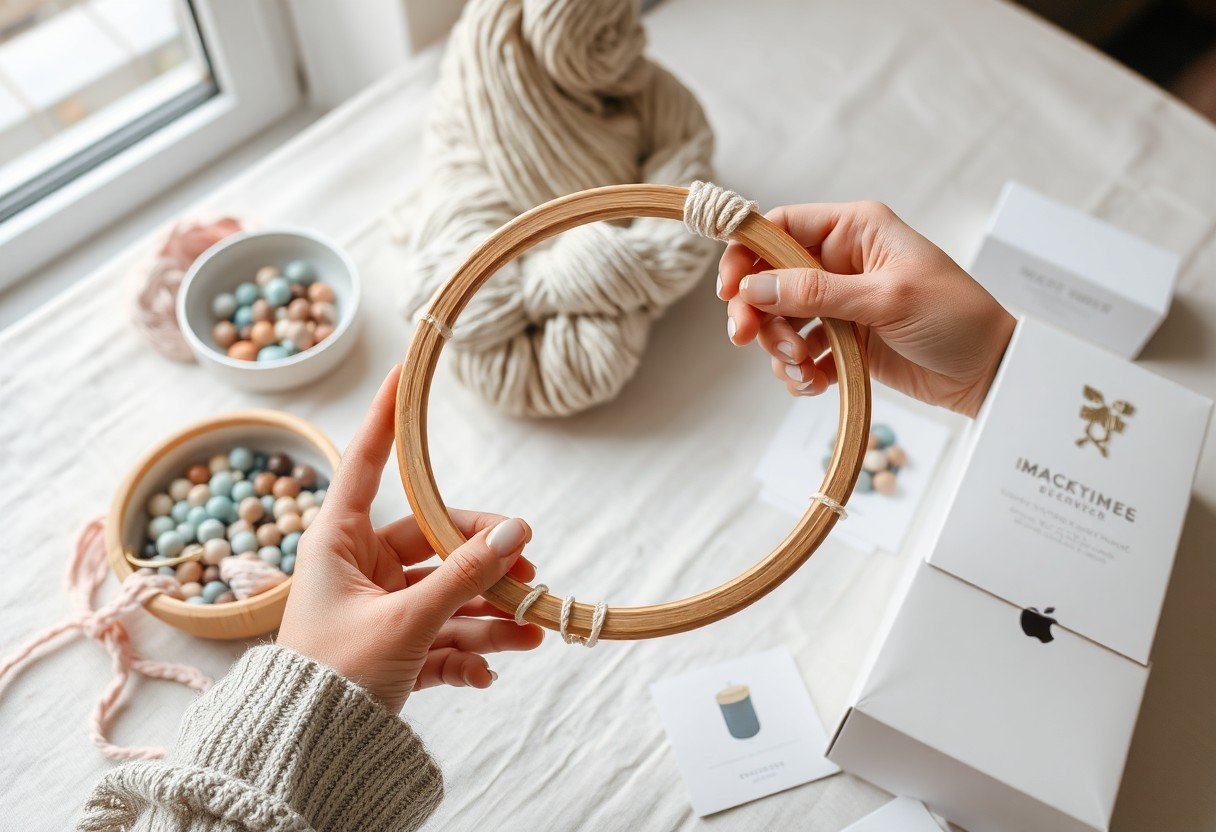
Key Takeaways:
- Kits with clear, step-by-step instructions and video tutorials speed up learning and reduce frustration.
- Quality materials (soft cotton cord, pre-measured lengths, sturdy dowel or ring) and basic tools included make the kit ready-to-use.
- Beginner-focused project selection-small wall hangings, plant hangers, bracelets-helps build skills progressively.
- Verify what’s included: cord length, hardware, finishing supplies; avoid kits that require many extra purchases.
- Check reviews and seller support for pattern clarity, replacement parts, and access to community resources.
Types of Macrame Kits
You can choose kits focused on plant hangers, wall hangings, jewelry, home accessories, or mixed-project bundles, each varying by cord thickness, included hardware, and project time. Many kits list cord length (50-500 m), recommended knot sets, and estimated hours to complete, helping you match goals to skill and schedule. The choice determines which knots you learn first and how quickly you build technique.
- Plant hangers
- Wall hangings
- Jewelry & accessories
- Mixed-project kits
- Tool-only or refill packs
Kit type vs. typical contents
| Plant hangers | 100-300 m cotton cord, metal ring, instructions |
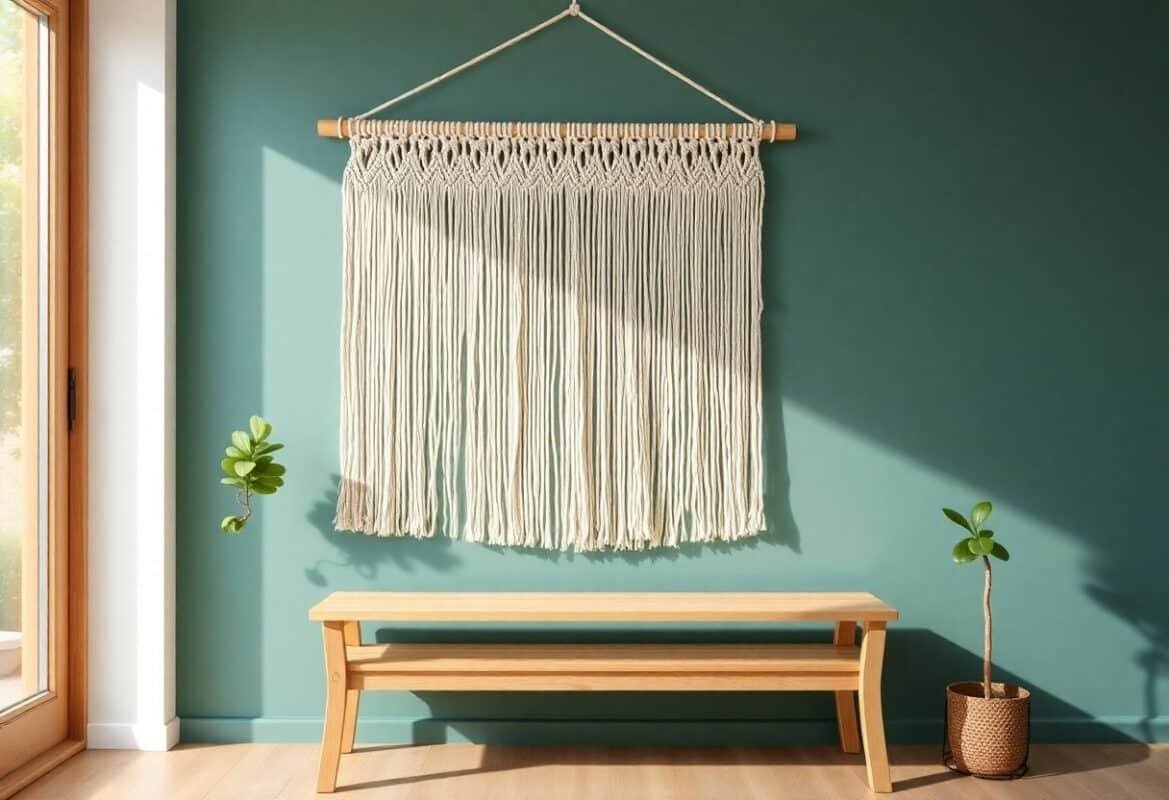
| Wall hangings | 200-500 m cord, wooden dowel, pattern guide |
| Jewelry | 10-50 m cord, clasps, beads, small tools |
| Mixed-project bundles | Varied cord gauges, multiple patterns, extras |
| Tool/refill packs | Scissors, tape measure, spare cord spools |
Basic Kits for Beginners
You’ll find beginner kits that include 50-150 m of 3-5 mm cotton cord, a wooden ring or dowel, a few beads, printed instructions or QR video, and projects designed to finish in 1-3 hours so you learn the lark’s head, square knot, and half hitch without getting overwhelmed.
What basic kits usually include
| Cord | 50-150 m, 3-5 mm cotton |
| Hardware | Wooden ring/dowel, beads |
| Guides | Step-by-step booklet + QR video |
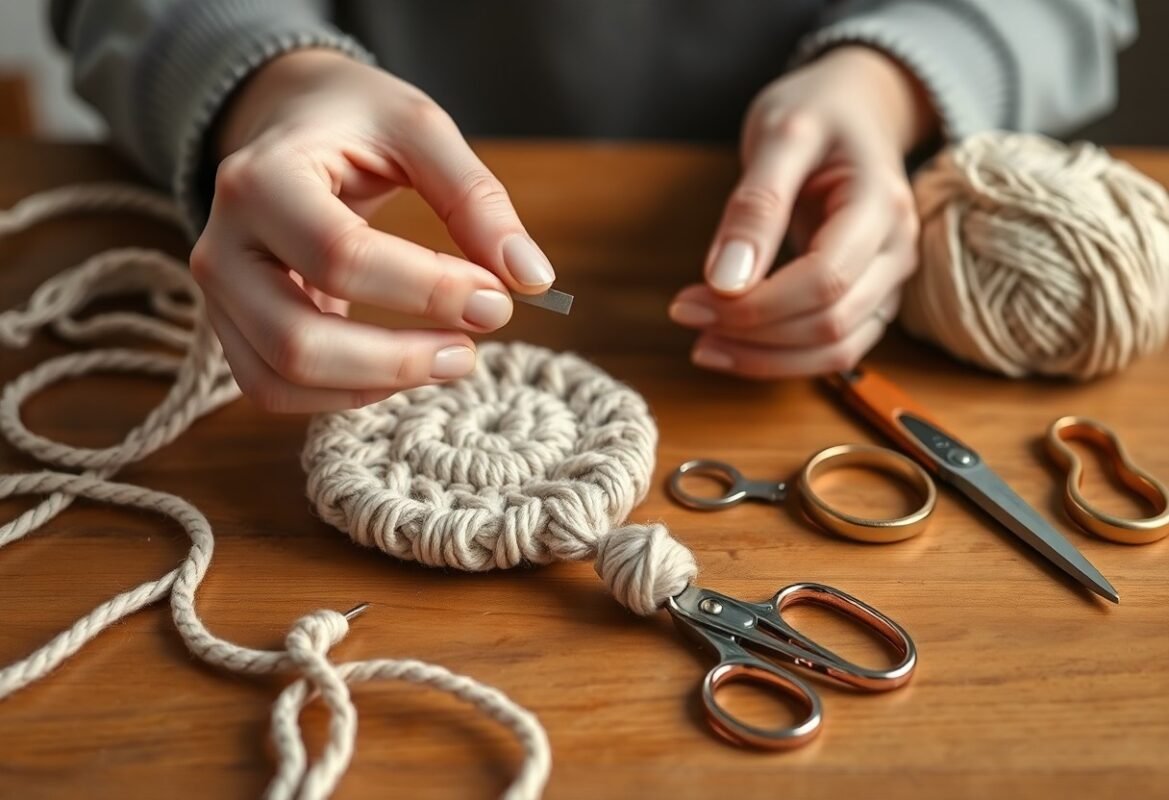
| Tools | Simple tape measure, cord ends |
| Project time | 1-3 hours |
Advanced Kits for Experienced Crafters
Advanced kits pack 200-500 m of mixed-gauge cord (cotton, jute, leather), specialty hardware (metal rings, hanging systems), complex pattern charts, and multi-day projects-ideal if you already master basic knots and want structural pieces, macramé lace, or modular designs.
- Includes multi-gauge cord and mixed materials for texture.
- Provides detailed pattern charts and error-tolerant measurements.
- Targets projects that span 6-20+ hours with complex repeats.
Advanced kit features
| Cord quantity | 200-500 m, mixed gauges |
| Materials | Cotton, jute, leather, metal |
| Hardware | Specialty rings, hanging systems |
| Guides | Pattern charts, layered tutorials |
| Project length | 6-20+ hours |
You should expect precision measurements, modular pattern sections, and knot combinations like diagonal clove hitch or macramé lace-skills that expand your design range and let you tackle commissions or market-ready pieces in small batches.
- Plan for longer work sessions and blocking/finishing steps.
- Verify cord counts and gauge compatibility before starting.
- Use supplied charts to map sections and avoid rework.
Advanced-kit setup checklist
| Pre-project prep | Measure, sort cords, label bundles |
| Workspace | Large table, clamps, blocking board |
| Finishing | Fringe combs, fabric stiffener options |
| Time estimate | 6-20+ hours per piece |
| Skill payoff | Marketable, structural designs |
Essential Tips for Choosing the Right Kit
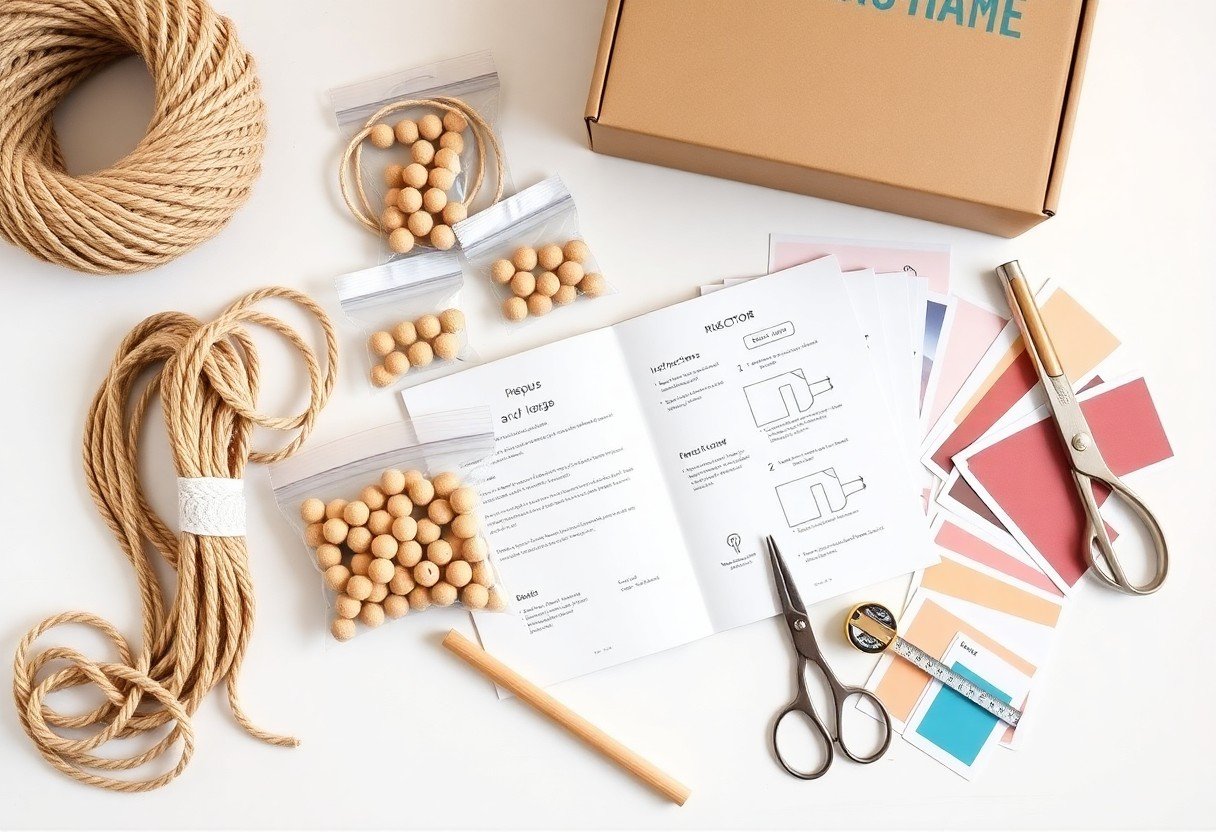
When choosing a kit, focus on cord thickness, included tools, and the stated difficulty to match your time and space. Compare specifications like cord diameter (3-6 mm), total cord length, and whether instructions include step-by-step photos or video. Many beginner kits range from $15-$50; kits above $30 often include wooden dowels, beads, and extra cord. Use reviews to verify finished dimensions and kit completeness.
- Cord diameter: 3 mm for delicate pieces, 5-6 mm for sturdy plant hangers.
- Fiber: 100% cotton for softness, polyester/nylon for outdoor durability.
- Tools & extras: dowels, tape measure, beads, fringe comb, and video tutorials.
- Difficulty rating: 1-5 knots listed-start with 1-2 if you want a fast win.
- After, check seller reviews and return policy before purchasing.
Material Considerations
You should match cord type and thickness to the project: 3-4 mm cotton is ideal for wall hangings and bracelets, while 5-6 mm braided cord supports heavier plant hangers. Natural fibers like cotton and jute soften with handling and give a matte finish; synthetics resist mildew and hold color outdoors. Confirm total cord length-kits supplying 50-200 meters let you account for knot waste and practice samples without running short.
Project Complexity
Assess the kit’s knot list and time estimate: beginner projects typically use 2-4 knot types (lark’s head, square knot, half hitch) and take 1-3 hours, while intermediate pieces list 6-10 knot variations and can require 6-10 hours. Check whether patterns show stitch counts and repeat rows; a kit that maps rows and provides a materials diagram will cut down your learning curve significantly.
For more depth, evaluate the instruction format and sample pieces: video tutorials reduce mistakes on complex joins, and diagrams that list cord lengths per strand (e.g., 8 strands × 3 m each) prevent shortages. Also consider practice swatches-kits that include small sampler projects let you master a 4-knot sequence before committing to a 1-2 meter wall hanging, saving time and material waste.
Step-by-Step Guide to Starting Macrame
Start by choosing a kit that matches your target project – 3-5 mm cotton cord suits wall hangings, 2-3 mm works for jewelry – then set a dowel or ring at eye level, cut cords about 4× the finished length, and spend 20-30 minutes practicing square knots and double half hitches before beginning a simple piece; expect a 1-3 hour first session. Community kit suggestions can help: New to This- Starter Kit Suggestions : r/macrame.
Step Breakdown
| Step | Action |
|---|---|
| 1 | Pick a kit: project type, cord thickness, and included tools. |
| 2 | Set up: clamp or dowel at eye level; organize workspace. |
| 3 | Measure & cut: typically 4× finished length per working cord. |
| 4 | Practice knots: 20-30 minutes of repeats for muscle memory. |
| 5 | Start a small project: time-box 1-3 hours and follow the pattern. |
Basic Knots to Learn
You should master the lark’s head (for attachments), the square knot (used in most plant hangers and wall pieces), the double half hitch (for vertical lines and lettering), and the clove hitch (for straps and starting rows); practicing 10-20 repeats of each builds speed, and knowing which knot creates flat versus diagonal patterns helps you plan textures and density in a 30-60 minute drill.
First Project Ideas
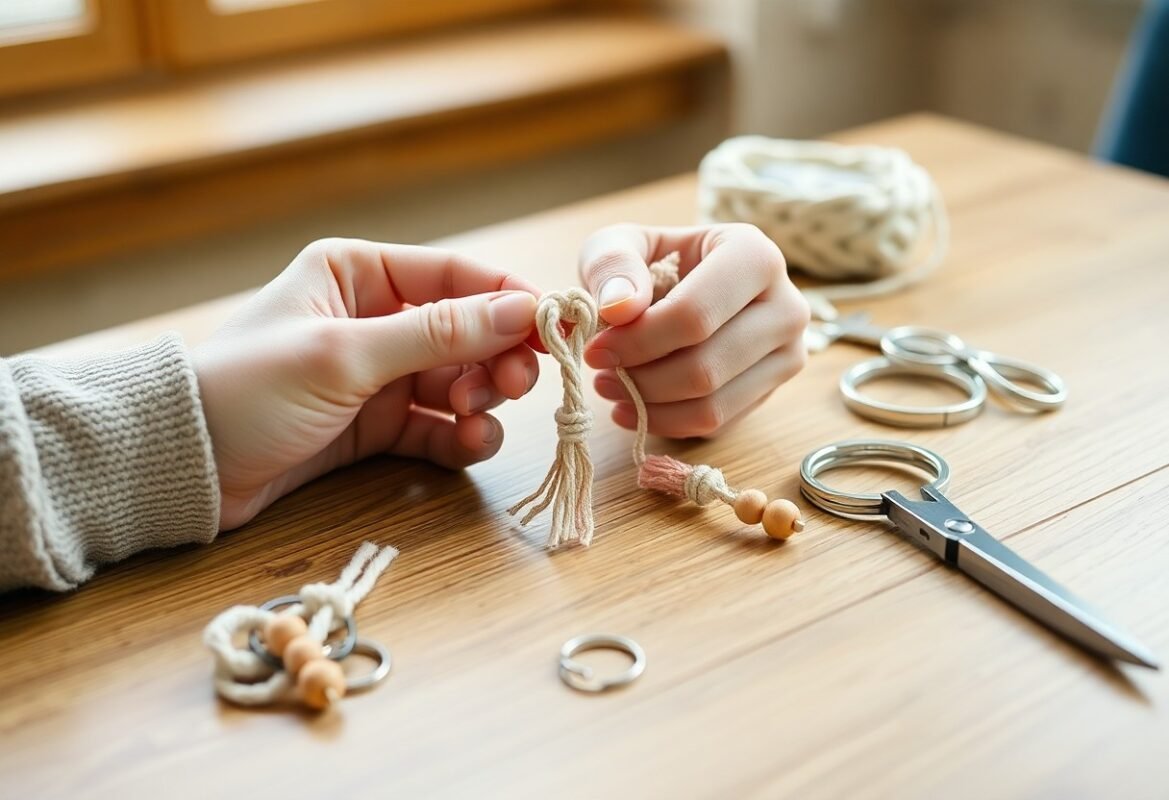
You can begin with a keychain (20-30 minutes), a small plant hanger (45-90 minutes), or a simple 12-18 inch wall hanging (1-3 hours); each teaches different skills-micro knots for jewelry, radial symmetry for hangers, and pattern planning for wall pieces-so pick one that matches the tools and cord in your kit.
For more detail, use 3-5 mm cotton for hangers, cut six cords at 4× desired length plus a 10-15% allowance, attach with lark’s head to a 3-4 cm ring, form recurring square-knot rows for strength, and finish with a trimmed fringe or a wrapped binding; progressing from a 20-30 minute keychain to a 2-3 hour wall hanging gives measurable skill gains and keeps projects satisfying.
Factors to Consider When Buying
Check cord thickness, material, included tools and pattern clarity – 3-5 mm cotton cord works best for 60-90 cm wall hangings, while 1-2 mm suits jewelry. You’ll want kits that list cord length (50-200 m) and knot counts so you can estimate project scope; kits with video tutorials cut learning time. Macrame Kit: What You Need To Get Started. The kit you pick should match the projects you want to make.
- Cord thickness and length (e.g., 3-5 mm, 50-200 m)
- Fiber type: 100% cotton vs polyester/nylon
- Tools included: dowel, comb, tape measure, beads
- Instruction format: printed patterns vs video tutorials
- Project types covered: wall hangings, plant hangers, jewelry
- Certifications and dye fastness (OEKO‑TEX, GOTS)
Budget and Pricing
You can find beginner kits from about $15 to $60: basic cord-only kits run $15-$25, mid-range kits at $25-$40 include a dowel, beads and video tutorials, and $40+ kits supply larger cord quantities (100-200 m) and premium cotton. Compare cost per meter and included tools so you know whether a $30 kit gives you enough material for two medium projects or just one small piece.
Quality of Materials
Assess fiber and construction: 100% cotton gives a soft matte finish and holds square knots well, while polyester/nylon offers brighter colors and higher abrasion resistance. You’ll see twisted cord for a rustic look and braided cord for cleaner lines; 3-5 mm is versatile for wall hangings, 1-2 mm for jewelry. Check dye fastness and tensile strength (20-30 kg for plant hangers) before you buy.
In practice, cotton can shrink 2-4% and soften after washing, so you may want to pre-wash or add 5-10% extra cord length. Many reliable starter kits list exact meters (e.g., 100 m of 3 mm cotton), a 120 cm dowel and step-by-step patterns, which typically yields two medium wall hangings; seek OEKO‑TEX or GOTS labels if low-chemical or organic fibers matter to you.
Pros and Cons of Different Kits
You’ll notice kits differ by cord thickness, length, included tools, and teaching format; some focus on jewelry with 1-2 mm cord while others center on 3-5 mm wall hangings. If you want guided options with video and clear parts lists, explore Macrame Kits For Beginners to Intermediate for sets that span simple to more advanced projects.
| Pros | Cons |
|---|---|
| Pre-measured cord (often 3-5 mm) – saves you setup time | Fixed cord length (5-20 m) – may limit larger projects |
| Clear step-by-step patterns and photos – reduces mistakes | Patterns sometimes skip basic knot theory – you may need extra reference |
| Tools included (dowel, tape, needles) – you avoid extra purchases | Included hardware can be low-grade – beads or dowels may chip |
| Video tutorials often available – follow at your own pace | One-size difficulty label – “beginner” may still assume prior experience |
| Price range $20-$60 – affordable entry point | Cheaper kits use synthetic blends – different feel than 100% cotton |
| Good for gifting – attractive packaging and finished design | Colorways are pre-selected – you can’t always customize easily |
| Project-focused – you finish a usable piece (wall hanging, plant hanger) | Limited pattern variety per kit – fewer techniques practiced |
| Some kits include intermediate patterns – helps you progress to new knots | Advanced kits can overwhelm you with 20-30+ steps if you’re new |
Advantages of Using Kits
You get curated materials (5-20 m cord, dowel, beads) and guided instruction that can cut trial-and-error time dramatically; using a kit with video tutorials often lets you complete a first wall hanging in a single afternoon and learn 5-7 core knots with fewer mistakes.
Potential Drawbacks
You may hit limits when a kit’s cord length, color, or material doesn’t match the project you want; cheaper sets frequently include blended fibers that behave differently from the 100% cotton recommended for many 60-90 cm wall hangings.
Digging deeper, you’ll find that replacement supplies aren’t always color-matched, instructions can skip measurements (forcing you to estimate yardage), and some kits bundle narrow projects so you don’t practice a broad range of techniques-expect to buy additional cord or higher-quality tools if you plan multiple or larger projects.
Recommended Macrame Kits for Beginners
When assessing kits, you want 100% cotton cord in the 3-5 mm range, at least 50-100 meters total, a 30-60 cm wooden dowel or 10-20 cm ring, plus a tape measure, comb and finishing beads. Kits that bundle a 20-40 minute step-by-step video and printed pattern cut your learning time; typical beginner wall-hanging kits priced $25-45 produce finished pieces around 60-90 cm and include everything needed for the project.
Top Picks for Quality
You should prioritize kits offering pre-cut cords (for example, 10-20 strands of 3-5 mm, 5-10 m each), natural-dyed cotton, clear stitch diagrams and at least one 15-60 minute tutorial. Choose options that include a 30-50 cm wooden dowel or 12-18 cm ring, a stainless-steel macramé needle and spare cord; kits with 4+ star ratings and 100+ reviews reliably match material descriptions and instructions.
Where to Purchase
You can find beginner kits on Amazon, Etsy and major craft retailers (Michaels, Hobby Lobby), with prices typically between $20-$60; check product pages for exact cord length, dowel/ring size and whether a video tutorial is included, and inspect review photos to verify color and fiber feel before buying.
If you buy local, you can test cord thickness and ask staff about knot behavior, while Amazon provides fast shipping and broad selection; Etsy offers handmade, customizable kits where you can request 3-5 mm cord or extra meters. To maximize value, compare included meters of cord per dollar, prefer kits with clear return policies, and pick ones that include a downloadable PDF or video walkthrough.
Final Words
Following this guide, you can select a beginner macrame kit that fits your skill level, budget, and project goals; prioritize durable cord, clear step-by-step instructions, and necessary tools to speed learning. Start with simple patterns, practice knots regularly, and use tutorials or community feedback to refine technique. With the right kit and approach, you’ll build confidence and create polished, personalized pieces.
FAQ
Q: What should I consider when choosing a beginner macrame kit?
A: Choose a kit that includes high-quality cord, clear step-by-step instructions, and hardware for the projects you want to make. Check cord fiber (cotton is easiest to handle), cord thickness, and the total length provided so you won’t run out mid-project. Look for kits that offer varied project sizes and access to video tutorials or pattern downloads if you prefer visual guidance. Consider manufacturer reputation, customer reviews, and whether extra tools (scissors, tape measure, comb) are included or must be bought separately.
Q: What materials and tools should a good beginner kit include?
A: A solid beginner kit typically contains multiple lengths of cotton cord in the recommended thickness, a wooden dowel or metal ring for mounting, a few decorative beads or tassel supplies, and all necessary hardware. Useful tools are a pair of sharp scissors, a tape measure or ruler, a small comb or brush for fringe, and sometimes a crochet hook or lark’s head tool for tightening knots. Clear printed instructions plus access to video tutorials greatly increase the kit’s usability.
Q: Which cord type and thickness works best for beginners?
A: Natural cotton cord is the most beginner-friendly because it’s soft, easy to knot, and holds shape well. For typical wall hangings and plant hangers, 3-5 mm cord is versatile and easy to manipulate; thinner cord (1-2 mm) is better for jewelry or delicate details, while thicker cord (6 mm and up) suits chunky modern pieces. Choose a twisted or braided cord with minimal stretch and consistent diameter to make knotting and following patterns simpler.
Q: How much cord length do I need per project?
A: Estimate cord length using project type and knot density: simple macrame projects generally require 4-6 times the finished length for each working cord, dense knotting or fringe may need 8-10 times, and complex patterns or added tassels can increase requirements further. For example, a 30 cm wall hanging might need individual cords of 1.2-1.8 m each for basic knots, while a thick, fringed piece could need 2.4-3 m cords. Kits that list total meters per cord and include extra cord reduce the risk of running short.
Q: Are video tutorials or printed instructions better for beginners?
A: Both have advantages: video tutorials are ideal for learning knot technique, hand placement, and timing, while printed instructions and diagrams are useful for reference, measurements, and following multi-step patterns. The best beginner kits provide both formats-short how-to videos for basic knots plus printable step-by-step patterns for each included project-so you can pause, rewatch, and consult measurements as needed.
Q: What are good starter projects to build macrame skills?
A: Start with small, focused projects that teach core knots: a keychain or bracelet introduces square and half knots, a small plant hanger practices macrame structure and load distribution, and a basic wall hanging develops pattern repetition and finishing techniques. These projects build knot memory, tension control, and working with cord lengths without requiring large amounts of materials or advanced pattern-reading.
Q: How should I care for finished macrame pieces and store supplies?
A: For finished cotton pieces, spot clean with mild detergent and cold water; avoid vigorous scrubbing and machine washing unless the piece is robust and cords are securely finished. Air-dry flat or hang to keep shape; keep pieces out of prolonged direct sunlight to prevent fading. Store unused cord coiled on spools or wrapped with ties to prevent tangles, keep beads and hardware in labeled containers, and store patterns or tutorials in a folder or digital backup for easy reference.